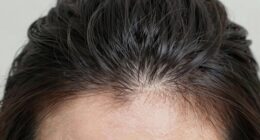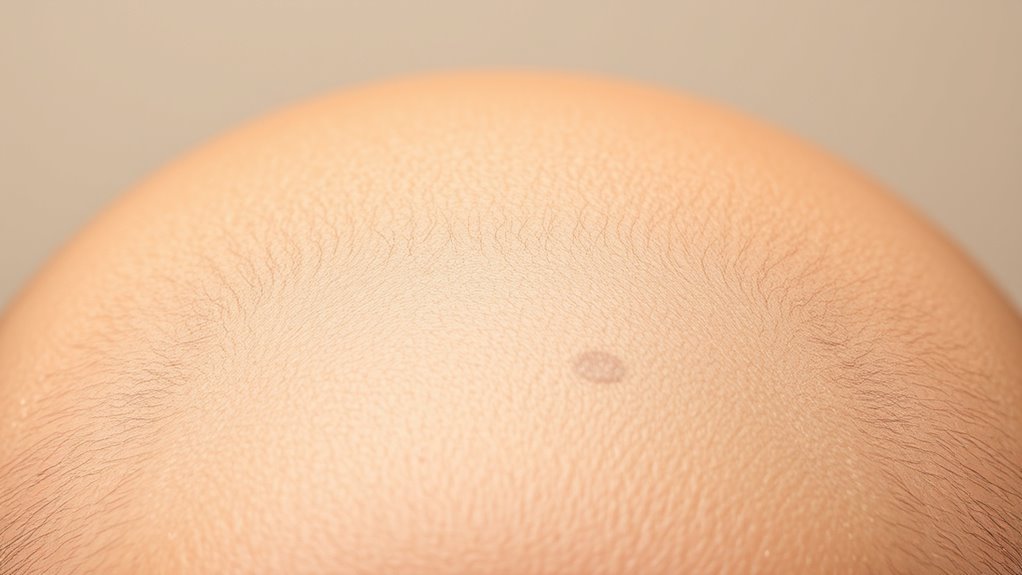

To build a healthy foundation for better hair, focus on caring for your scalp through regular exfoliation to remove buildup and promote circulation. Use natural remedies like tea tree oil or aloe vera to soothe and nourish your scalp, and follow each exfoliation with a lightweight conditioner or serum. Consistent care helps prevent issues like dryness and flakiness, supporting stronger, shinier hair—continue exploring tips to keep your scalp in top shape.
Key Takeaways
- Regular scalp exfoliation clears away dead skin, oil, and dirt, promoting a cleaner environment for hair growth.
- Using natural remedies like aloe vera, peppermint oil, and coconut oil soothes irritation and nourishes the scalp.
- Proper post-exfoliation care, including rinsing and applying lightweight conditioners, maintains scalp hydration and balance.
- Consistent scalp care enhances circulation, reduces buildup, and supports stronger, healthier hair over time.
- A healthy scalp foundation prevents issues like dryness and flakiness, leading to better hair strength and shine.
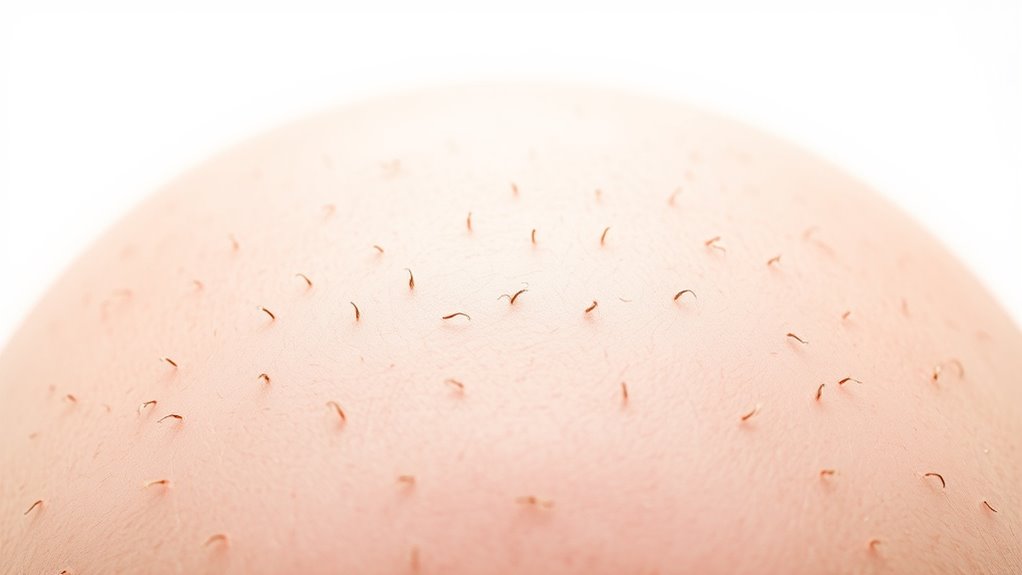
Have you ever wondered why a healthy scalp is key to gorgeous hair? The truth is, your scalp is the foundation of your hair’s health. When it’s clear of buildup and properly nourished, your hair can grow stronger, shinier, and more resilient. One essential step in maintaining scalp health is regular scalp exfoliation. Just like your skin, your scalp accumulates dead skin cells, excess oil, and dirt that can clog hair follicles and hinder growth. Using gentle exfoliants helps remove these impurities, promoting a cleaner environment for hair to thrive. You don’t need harsh chemical treatments—natural remedies like sugar scrubs, tea tree oil, or apple cider vinegar diluted with water are effective options. These natural remedies not only exfoliate but also soothe irritation and reduce dandruff, creating a balanced scalp environment.
Incorporating scalp exfoliation into your routine doesn’t mean overdoing it. Once a week is usually enough, and you should choose products or remedies suited for your scalp type. For sensitive skin, opt for mild, natural ingredients that won’t cause irritation. When applying exfoliants, use gentle circular motions with your fingertips, avoiding excessive scrubbing that could damage your scalp or hair follicles. After exfoliating, rinse thoroughly and follow up with a lightweight, nourishing conditioner or scalp serum to hydrate the area. This process stimulates blood circulation, encouraging healthy follicle activity and supporting hair growth. Proper scalp care is crucial for maintaining overall scalp health and preventing common issues like dryness or flakiness.
Aside from exfoliation, paying attention to natural remedies can make a significant difference. Many herbs and oils have proven benefits for scalp health. For instance, peppermint oil can invigorate blood flow, while aloe vera soothes inflammation and dryness. Coconut oil nourishes both scalp and hair, reducing breakage and adding shine. Incorporating these remedies into your routine is simple: massage a few drops of essential oil diluted in a carrier oil into your scalp, or apply pure aloe vera gel directly. These natural options are gentle yet effective, helping to restore balance and combat common scalp issues like dryness, itchiness, or flakiness.
Ultimately, building a healthy scalp foundation requires consistent care and attention. Regular scalp exfoliation paired with natural remedies supports the removal of impurities, reduces irritation, and boosts circulation. When your scalp is clean, balanced, and well-nourished, your hair can flourish. Remember, healthy hair starts at the root—your scalp deserves just as much care as the strands themselves. By making these practices a part of your routine, you’re investing in the long-term health and beauty of your hair.

VOERUY Scalp Scrub, Rosemary Scalp Exfoliator Scrub Shampoo, 2-in-1 Scalp Treatment with Mint Oil, Hair Treatment to Clarify and Remove Build Up with Silicone Scalp Massager, 10.6oz/300g
【SCALP DETOX SCRUB 】Our rosemary scalp scrub can effectively remove product buildup, impurities, dead skin cells and relieve…
As an affiliate, we earn on qualifying purchases.
As an affiliate, we earn on qualifying purchases.
Frequently Asked Questions
Can Scalp Health Affect Hair Growth Rate?
Yes, scalp health impacts your hair growth rate. When your scalp’s pH balance is off, it can cause dryness or excess oil, which affects follicle health. Healthy follicles promote stronger, faster hair growth. By maintaining proper scalp pH levels and keeping your scalp clean, you support follicle health, encouraging ideal growth. Neglecting scalp health can lead to slower growth or hair thinning, so prioritize a balanced, clean, and nourished scalp.
Are There Specific Diets That Improve Scalp Health?
While there’s no one-size-fits-all diet, you can boost scalp health by including scalp-friendly foods rich in vitamins A, C, E, and omega-3s. Pair these with nutritional supplements if needed, to nourish your scalp from within. Think leafy greens, fatty fish, nuts, and seeds—foods that support circulation and reduce inflammation. By balancing your diet with these choices, you actively improve your scalp’s environment, promoting healthier hair growth.
How Often Should I Exfoliate My Scalp?
You should exfoliate your scalp about once a week to maintain healthy hair. Regular scalp exfoliation helps with hair follicle cleaning, removing dead skin cells, excess oil, and buildup. Over-exfoliating can cause irritation, so don’t go too often. If your scalp feels itchy or oily, you might need more frequent exfoliation, but always listen to your skin’s response and adjust accordingly for ideal scalp health.
Do Scalp Treatments Work for Everyone?
Did you know that 70% of people see positive results from scalp treatments? They can work well, but effectiveness varies due to individual scalp sensitivities. Some may experience relief from dandruff or oil buildup, while others might not notice much change. It’s essential to select treatments suited to your scalp type and sensitivities. Always patch-test new products to make certain they won’t cause irritation or adverse reactions.
Can Stress Impact Scalp Health?
Yes, stress can impact your scalp health by disrupting oil production and increasing inflammation. When you’re stressed, you might notice more scalp dryness or oiliness, which affects hair growth. To combat this, practice stress management techniques like meditation or exercise, and make sure your scalp stays hydrated. Keeping your scalp healthy helps prevent issues like dandruff or hair thinning, promoting stronger, healthier hair over time.

Botanic Hearth 100% Pure Tea Tree Scalp Oil for Hair Growth, Dandruff & Itchy Scalp Relief 6.7 Fl Oz | Infused with Coconut Oil | Repairs Dry Damaged Hair & Strengthens Hair | All Hair Types
SOOTHES ITCHY & DRY SCALP : The Botanic Hearth Tea Tree hair oil contains natural tea tree oil…
As an affiliate, we earn on qualifying purchases.
As an affiliate, we earn on qualifying purchases.
Conclusion
Now that you know the basics of scalp health, it’s time to take action and give your scalp the care it deserves. Keep it clean, moisturized, and free from harsh products, much like tending to a delicate garden. Remember, a healthy scalp is the foundation for stronger, shinier hair. Don’t be like the misguided sailors of old—ignore your scalp’s needs at your peril. Prioritize your scalp, and your hair will thank you with a glorious, head-turning shine.

The Ordinary Hair Care Natural Moisturizing Factors + Hyaluronic Acid, Lightweight Hydrating Scalp Serum with Hyaluronic Acid and Squalane, 2 Fl Oz
Natural Moisturizing Factors + HA For Scalp is a light, milky formula designed to support scalp hydration and…
As an affiliate, we earn on qualifying purchases.
As an affiliate, we earn on qualifying purchases.

Dove Derma Scalp Dandruff & Itch Relief Conditioner 1 ct with Pyrithione Zinc, Lamellar Serum and Niacinamide or Flaky, Itchy Scalp Relief 9 Fl oz
SOOTHES SCALP: Calms irritation and dandruff with clinically proven Zinc Pyrithione, ensuring a comfortable and flake-free scalp. This…
As an affiliate, we earn on qualifying purchases.
As an affiliate, we earn on qualifying purchases.