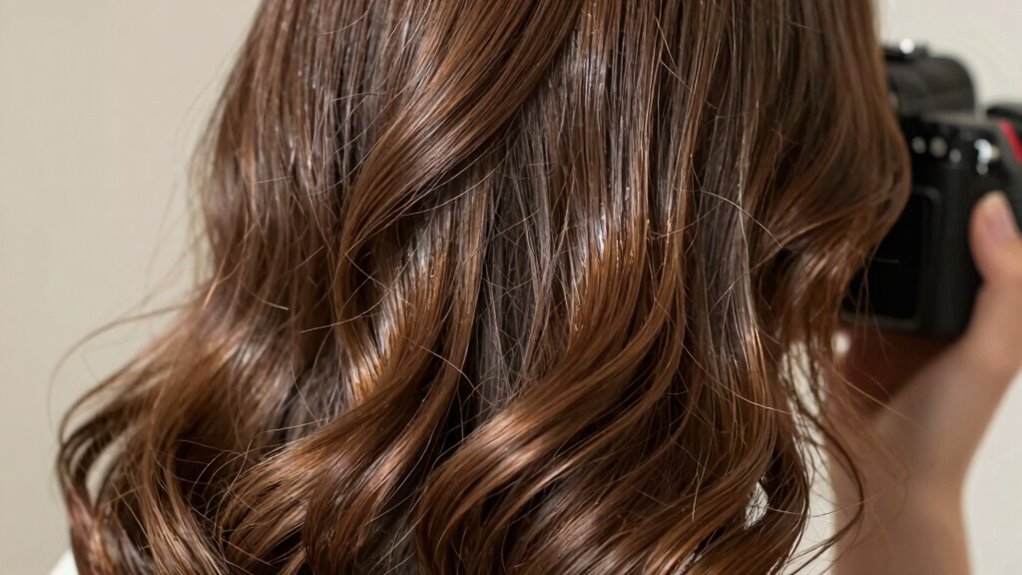

Shiny hair may look healthy, but it mainly reflects surface smoothness rather than internal resilience. That glossy appearance comes from a smooth, intact cuticle that bounces light, not necessarily from good nutrition or overall hair health. Overusing styling products or harsh shampoos can make your hair look shiny temporarily but may hide underlying damage. To truly care for your hair’s health, it’s important to understand the difference between surface gloss and internal vitality—if you keep exploring, you’ll discover more.

Get beauty and skincare favorites delivered free — and shop member deals
- Fast, free delivery on millions of items
- Access to Prime Big Deal Days deals on October 6–7
- Prime Video, Amazon Music and more included
Key Takeaways
- Shine primarily results from a smooth, intact cuticle reflecting light, not necessarily from internal hair health.
- Glossiness indicates surface smoothness, which can be achieved temporarily with styling products, not actual strength.
- Over-washing or harsh shampoos can dull hair’s shine by stripping natural oils, masking true health.
- Excessive product use may create a shiny appearance but can cause buildup and damage over time.
- Genuine hair health depends on internal condition and nutrition, not just surface appearance or glossiness.
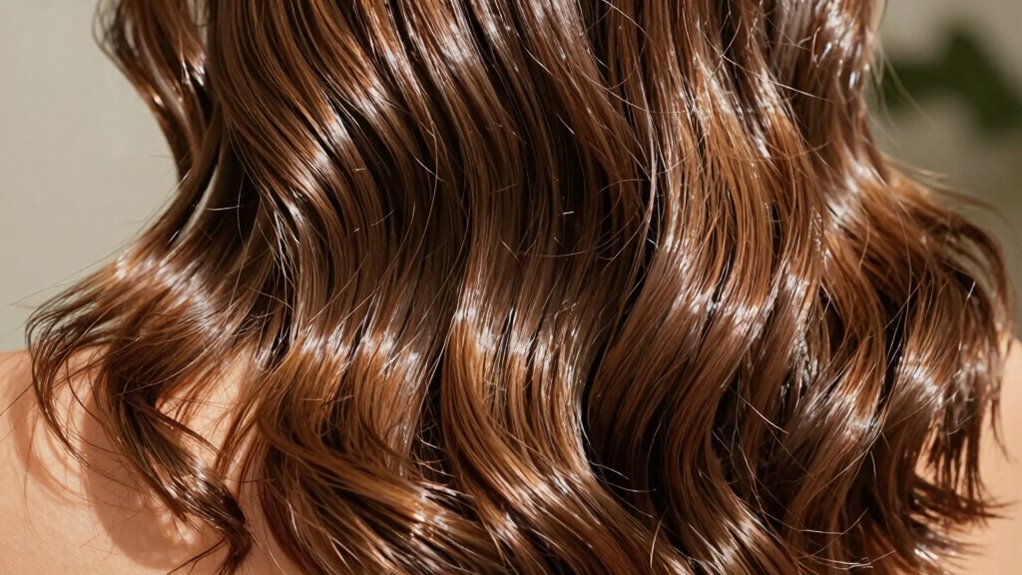
Have you ever believed certain myths about hair that might not be true? One common misconception is that shiny hair automatically means healthy hair. This idea is so widespread that many people assume if their hair looks glossy, it’s well-nourished and strong. But the truth is, this shiny appearance is mostly surface smoothness, and it doesn’t tell the full story about your hair’s health. This is a classic example of hair myths that can mislead you into thinking your hair is in better condition than it really is.
The myth busting around shiny hair often centers on the idea that glossiness equals strength. While shiny hair can look attractive, it’s primarily a surface-level trait. Shiny hair reflects light well because of the cuticle’s smoothness, which acts like a mirror. When the cuticle is smooth and intact, your hair reflects light effectively, giving it that sleek, shiny appearance. However, this doesn’t necessarily mean your hair is healthy inside. Damaged or brittle hair can still appear shiny if the cuticle is temporarily smoothed out by styling products or coatings. That’s why relying solely on shine as an indicator of health can be misleading.
Shiny hair reflects light from a smooth cuticle, not necessarily indicating internal health or strength.
You might think that using more conditioner or styling products will always boost your hair’s shine, but that’s not exactly hair myth busting in your favor. Excessive product buildup can actually weigh hair down, make it look dull, or cause damage over time. Instead, true hair health comes from a balanced approach—proper nutrition, gentle handling, and avoiding harsh treatments. If you focus only on surface appearance, you may overlook underlying issues like breakage, dryness, or scalp problems that don’t necessarily affect shine right away.
Another myth is that frequent washing diminishes shine, but that’s not always the case. Proper cleansing removes dirt, excess oil, and product buildup that can dull your hair. When you use the right shampoo and avoid over-washing, you actually help maintain the hair’s surface smoothness, which can enhance its natural shine. Conversely, over-washing or using harsh shampoos can strip away natural oils, leaving hair looking dull and lifeless, even if it appears shiny initially. Additionally, understanding hair porosity can help you tailor your hair care routine to better preserve shine and health.
In the end, understanding the truth behind hair myths like the shiny hair misconception helps you better care for your hair. Remember, surface glossiness doesn’t tell the full story of your hair’s health. True hair strength and vitality come from internal health, proper care routines, and avoiding misleading shortcuts. So, next time you see a glossy mane, ask yourself—does that shine reflect internal health, or is it just surface smoothness? Recognizing these nuances is key to genuine hair health and effective hair myth busting.
As an affiliate, we earn on qualifying purchases.
Frequently Asked Questions
Does Shiny Hair Mean Healthy Hair Underneath?
Shiny hair doesn’t necessarily mean it’s healthy underneath. You might have high hair porosity, causing surface shine but leading to moisture loss and damage underneath. Also, an imbalanced oil level can reflect surface gloss but hide internal issues like dryness or brittleness. To truly assess your hair’s health, focus on maintaining proper moisture, oil balance, and understanding your hair porosity, rather than relying solely on shine as a health indicator.
Can Diet Affect the Appearance of Shiny Hair?
Yes, your diet can impact your hair’s shine. Eating a balanced diet rich in vitamins and minerals enhances your hair gloss by supporting healthy cuticles and moisture retention. Nutrients like omega-3 fatty acids, biotin, and vitamins A, C, and E promote natural shine, while poor dietary choices can lead to dullness and dryness. So, fueling your body with nutritious foods directly contributes to maintaining vibrant, glossy hair.
Are There Natural Remedies for Shiny Hair?
You can boost your hair’s shine naturally with hair oiling and herbal masks. Regularly applying coconut or argan oil nourishes your scalp, making hair smoother and more reflective. Herbal masks with ingredients like henna, amla, or bhringraj strengthen your hair from root to tip, enhancing shine over time. Consistent use of these remedies improves surface smoothness, giving your hair a healthy, vibrant glow without relying on synthetic products.
How Often Should I Wash to Maintain Shine?
You should wash your hair 2-3 times a week to maintain shine, considering your scalp hydration and hair porosity. If your scalp gets oily quickly, washing more often helps keep it fresh, but avoid over-washing, which can strip natural oils. For high porosity hair, use gentle shampoos and focus on balancing moisture. This approach keeps your scalp healthy and promotes surface smoothness, enhancing that shiny appearance.
Does Hair Color Impact Surface Shine?
Imagine sunlight bouncing off a polished lake—that’s how your hair’s surface reflection works. Hair color impacts surface shine because darker shades often absorb light, reducing reflection, while lighter or vibrant hues can enhance it. The color impact can make your hair appear glossier or duller, depending on the shade. To maximize shine, choose colors that complement your natural glow, and keep your hair well-conditioned for the best surface reflection.
Conclusion
So, don’t be fooled into chasing shiny hair as the ultimate goal. It’s mainly about surface smoothness, not health or strength. Remember, appearances can be deceiving, and focusing solely on that glossy look might make you overlook what truly matters—your hair’s overall health. Keep your expectations realistic, and don’t put all your eggs in one basket. Sometimes, it’s the substance beneath that counts more than that shiny shell on the outside.
Fall Picks
fall essentials
As an affiliate, we earn on qualifying purchases.