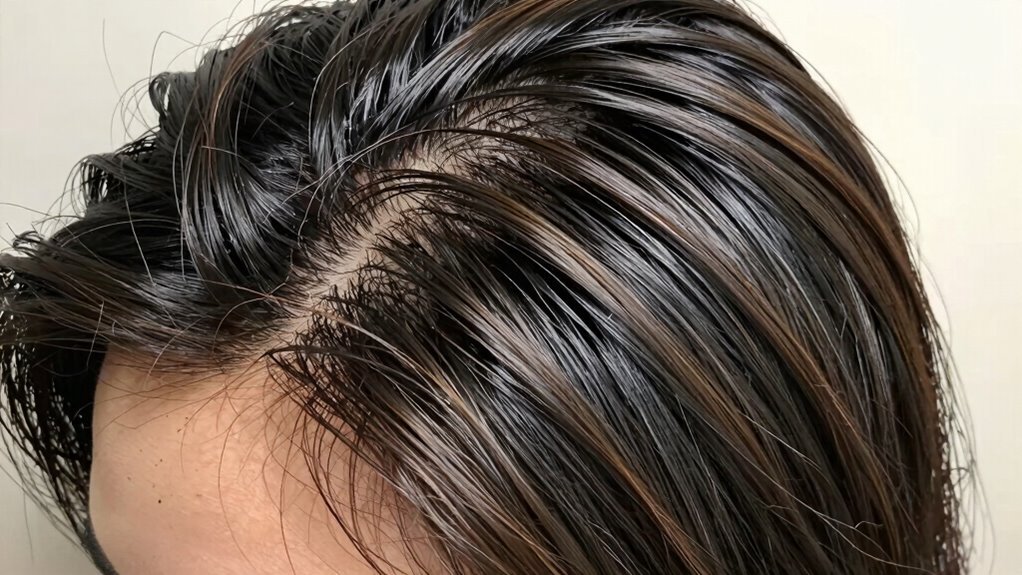

If you have an oily scalp and dry lengths, understanding hair porosity and scalp health is key. Your scalp’s excess oil production can be caused by over-washing or natural sebum, while dry ends often need extra hydration and protection. Balancing these issues requires targeted cleansing, avoiding heavy products on the scalp, and focusing moisture on your ends. Keep exploring solutions that address both, and you’ll discover how to achieve healthier, more balanced hair.

Get beauty and skincare favorites delivered free — and shop member deals
- Fast, free delivery on millions of items
- Access to Prime Big Deal Days deals on October 6–7
- Prime Video, Amazon Music and more included
Key Takeaways
- An oily scalp often results from excess sebum production, while dry lengths may signal porosity or insufficient moisture.
- Over-washing can strip oils, causing the scalp to produce more sebum and dry out hair ends.
- Focusing on scalp health and balancing oil while hydrating dry lengths prevents the oil-dryness cycle.
- Tailoring products to hair porosity improves moisture retention in dry ends without increasing scalp oiliness.
- Regular scalp massages and targeted conditioning help regulate sebum and hydrate dry hair tips effectively.
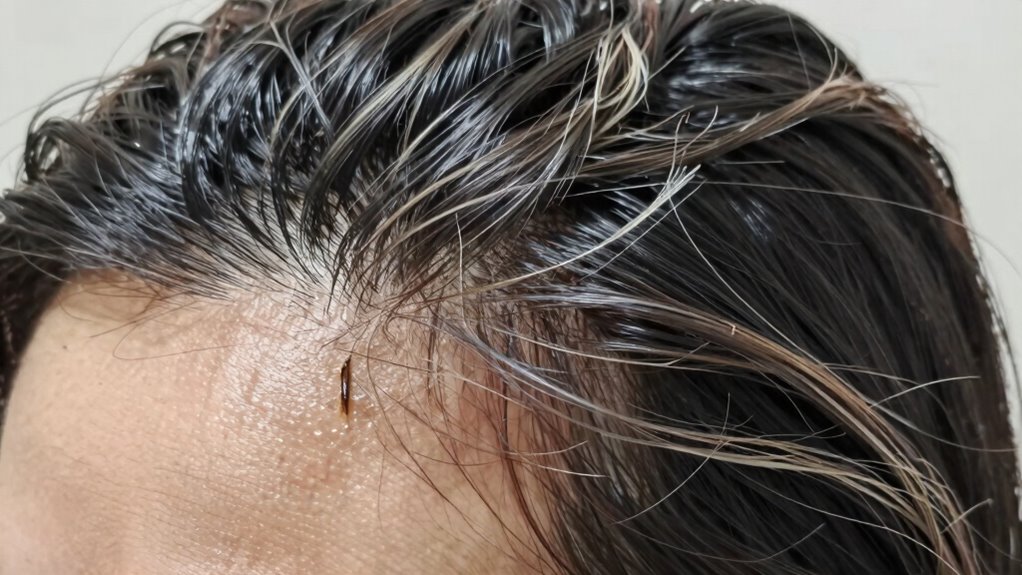
If you have an oily scalp but dry lengths, it can feel like your hair is pulling in opposite directions. You want to keep your scalp clean and free of excess oil, but at the same time, your ends need moisture to stay healthy and flexible. This common dilemma often comes down to understanding your hair’s porosity and how to balance scalp hydration with proper hair care. When your scalp produces too much oil, it’s tempting to wash frequently, but over-washing can strip away natural oils, leading to even more dryness in your lengths. Finding the right balance involves understanding your hair porosity—the hair’s ability to absorb and retain moisture. If your hair has high porosity, it absorbs moisture quickly but loses it just as fast, making it prone to dryness despite a greasy scalp. Low porosity hair, on the other hand, resists moisture, which can leave your ends dry even if your scalp seems overly oily. Recognizing your hair’s porosity helps you choose products and routines that improve scalp hydration without exacerbating dryness on your lengths.
To address this imbalance, focus on gentle cleansing methods that control excess oil without stripping moisture. Consider using a clarifying shampoo once a week to remove buildup, but avoid daily washes that can strip natural oils and cause your scalp to produce even more oil to compensate. When you condition, concentrate on applying products primarily to your ends rather than your scalp, since those are the areas most in need of hydration. Incorporating lightweight, moisturizing leave-in treatments can also help nourish your dry lengths without adding weight or greasiness to your scalp. Additionally, understanding the role of sebum production in your scalp health can guide you to better manage oil levels and dryness more effectively. Paying attention to your scalp health and its balance with moisture levels can help prevent the cycle of overproduction and dryness. It’s also beneficial to incorporate scalp care routines that promote a healthy balance of oils and moisture, supporting overall hair health. Regularly adjusting your routine based on your hair’s needs can help you maintain a healthy scalp and prevent dryness in your lengths.
Use gentle, targeted cleansing and focus conditioners on ends to balance oil and moisture effectively.
In addition, adjusting your hair care routine to improve scalp hydration can make a big difference. Use lukewarm water instead of hot water when washing, as hot water can dry out the scalp and hair. Regularly massaging your scalp stimulates blood flow and helps distribute natural oils evenly, which can reduce oil buildup and promote healthier scalp conditions. You might also want to incorporate scalp treatments specifically designed to regulate oil production, balancing sebum levels while maintaining hydration. Being mindful of your hair porosity helps you select the most suitable products and techniques, enhancing your overall hair health and appearance.
Ultimately, understanding your hair’s porosity and customizing your routine accordingly is key. With proper scalp hydration strategies and targeted moisturizing on your lengths, you can bring harmony to your hair—keeping your scalp clean and your ends nourished. It’s about creating a routine that respects your scalp’s needs while addressing the dryness at your tips, giving you healthier-looking hair from root to tip.
clarifying shampoo for oily scalp
As an affiliate, we earn on qualifying purchases.
As an affiliate, we earn on qualifying purchases.
Frequently Asked Questions
Can You Fix Oily Scalp and Dry Lengths With a Single Shampoo?
Yes, you can address an oily scalp and dry lengths with a single shampoo by choosing one that balances scalp hydration and considers your hair porosity. Look for a clarifying or balancing shampoo that removes excess oil without stripping moisture. If your hair has high porosity, opt for hydrating ingredients to lock in moisture. Proper shampooing, combined with targeted treatments, helps restore harmony to your scalp and lengths effectively.
Are There Specific Ingredients to Avoid for This Hair Type?
You should avoid shampoos with harsh chemicals and heavy silicones, as these can worsen your oily scalp and dry lengths. Harsh chemicals strip natural oils, causing your scalp to overproduce oil, while heavy silicones weigh down your hair and build up over time. Look for gentle, sulfate-free formulas with nourishing ingredients like tea tree oil or argan oil to balance your scalp and hydrate your dry ends effectively.
How Often Should I Wash My Hair to Balance Oil and Dryness?
Think of your hair as a garden that needs just the right watering. You should wash your hair every 2-3 days, balancing scalp hydration with gentle cleansing. If your hair has high porosity, it absorbs oils quickly, so less frequent washing keeps your scalp fresh while maintaining moisture in the lengths. Adjust based on your scalp’s oiliness and dryness, ensuring you nurture both parts without overwatering or leaving them parched.
Does Diet Influence Scalp Oiliness and Hair Dryness?
Yes, your diet influences scalp oiliness and hair dryness through nutritional impact and dietary choices. Eating foods rich in vitamins A, E, and omega-3 fatty acids helps regulate sebum production and promotes moisture retention. Conversely, a diet high in processed foods and sugars can increase oiliness and dry out your hair. Focus on balanced, nutrient-dense meals to improve scalp health and maintain hydrated, healthy hair.
Can Hair Treatments Worsen the Condition of Oily Scalp and Dry Lengths?
Think of hair treatments as a delicate balancing act—if you’re not careful, they can tip the scales. Using harsh chemicals or overdoing scalp exfoliation can strip natural oils, worsening your oily scalp, while heavy products like moisturizing serums might weigh down your dry lengths. To avoid this, choose gentle treatments and focus on targeted care, ensuring your scalp stays fresh and your lengths stay nourished without aggravating either issue.
Conclusion
Now that you understand the balance needed for your scalp and lengths, it’s clear that managing these contrasting issues is key. With the right hair care, you can turn the tide and enjoy healthy, happy hair. Remember, you can’t judge a book by its cover—your scalp and hair are more than just their surface. Keep patience in mind, and don’t give up; beautiful hair is often just a routine away.
Fall Picks
fall essentials
As an affiliate, we earn on qualifying purchases.