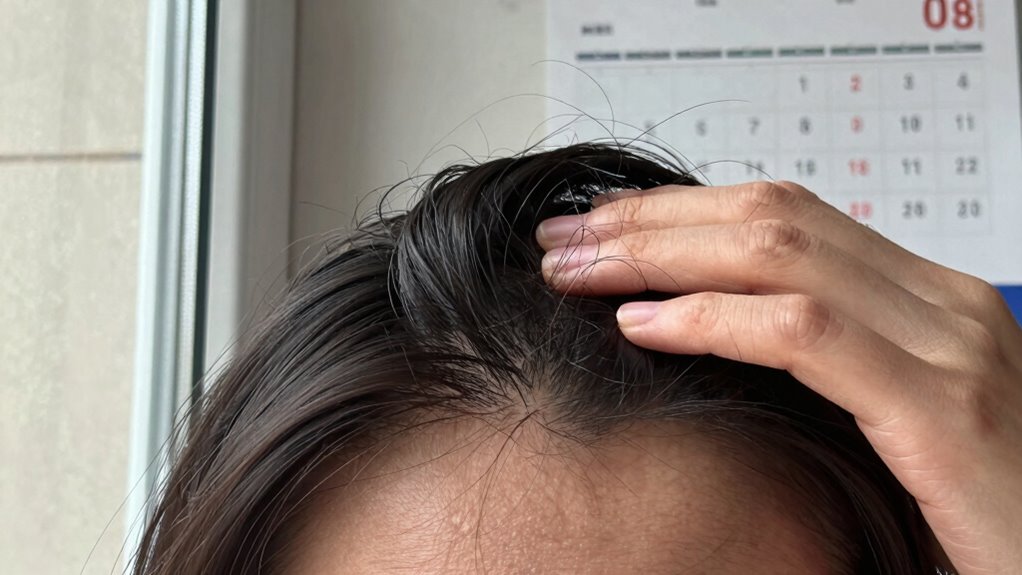
You might notice more hair shedding during certain months because your body naturally responds to seasonal changes with hormonal and environmental shifts. These changes, especially in spring and fall, trigger your hair follicles to shed more hair temporarily. This is a normal part of your hair’s growth cycle and isn’t caused by something wrong. Once your body adjusts to the season, shedding usually decreases. Keep going to discover how your body’s seasonal rhythms work and how to support your hair health.

Get beauty and skincare favorites delivered free with Prime
- Fast, free delivery on millions of items
- Prime Video, Amazon Music and more included
- Member-only deals all year
Key Takeaways
- Seasonal changes trigger increased hair shedding due to environmental cues like temperature and daylight variations.
- Hormonal fluctuations caused by sunlight exposure during spring and fall intensify the shedding process.
- More hairs enter the shedding phase simultaneously during certain months, making hair loss appear worse.
- Normal seasonal hair cycle adjustments can temporarily amplify perceived hair loss.
- Awareness of these natural patterns helps reduce anxiety about increased shedding during specific months.
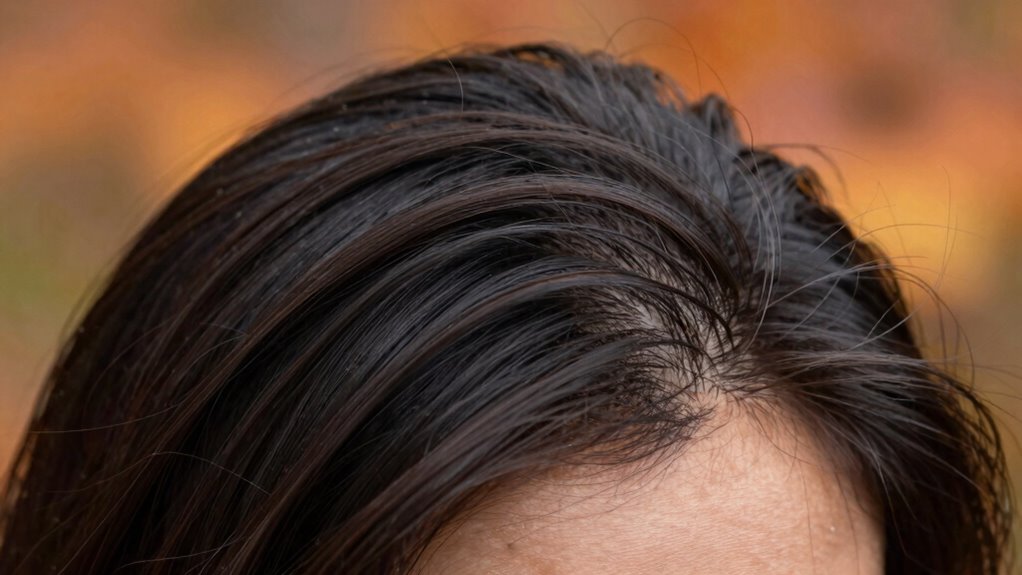
Many people notice increased hair shedding during specific months of the year, often without understanding why. This phenomenon is closely linked to seasonal hair loss, a natural process where your hair falls out more during certain times of the year. The timing often coincides with changes in temperature, daylight hours, and your body’s internal rhythms. You might find yourself brushing out more hair or noticing more strands on your pillow than usual, and it can feel alarming—yet it’s usually part of a normal cycle. Recognizing seasonal hair loss as a natural process can help ease concerns about temporary shedding.
Many experience seasonal hair shedding linked to natural cycles and environmental changes.
Seasonal hair loss happens because your hair follicles respond to environmental cues, especially the changing seasons. During fall and spring, your hair tends to shed more than usual, which is tied to your body’s biological clock. This isn’t just about the weather; hormonal fluctuations play a significant role here. As seasons shift, your hormones—particularly those that regulate hair growth—fluctuate naturally. In spring, increased sunlight triggers hormone changes that push your hair into a shedding phase, while in fall, the body prepares for winter by shedding older hair. These fluctuations are your body’s way of adapting to environmental demands, but they can feel uncomfortable or unsettling.
Hormonal fluctuations don’t just happen with seasonal changes; they can also be influenced by other factors like stress, diet, or health conditions. However, during certain months, the body’s internal adjustments are most pronounced, leading to more noticeable hair shedding. Your hair growth cycle is complex, with phases of growth, rest, and shedding. Seasonal changes can cause more hairs to enter the shedding phase simultaneously, making it seem like you’re losing more hair than usual. The good news is that this excess shedding is typically temporary and part of a natural process, not a sign of permanent hair loss.
Understanding why your hair feels like it’s shedding more in specific months can help you feel less anxious about it. Recognize that seasonal hair loss is a normal response to hormonal fluctuations and environmental cues. During these times, your hair follicles are simply going through their natural cycle, and your body is adjusting to the changing seasons. Maintaining good scalp health, a balanced diet, and managing stress can support your hair during these fluctuations. Usually, this increased shedding decreases once your body stabilizes hormonally and the seasons change again. Remember, what you’re experiencing is common, and your hair will typically return to its usual fullness after this seasonal adjustment period.
hair growth vitamins for seasonal shedding
As an affiliate, we earn on qualifying purchases.
As an affiliate, we earn on qualifying purchases.
Frequently Asked Questions
Can Stress Levels Influence Seasonal Hair Shedding?
Yes, stress levels can influence seasonal hair shedding. When you’re stressed or anxious, your body releases hormones that can disrupt your hair growth cycle, making shedding worse. Managing stress through relaxation techniques and identifying anxiety triggers helps reduce this effect. By practicing stress management, you support healthier hair, especially during seasons when shedding tends to increase naturally. Staying calm and addressing anxiety triggers can make a noticeable difference in hair health.
Do Diet Changes Affect Hair Shedding During Specific Months?
Did you know that up to 80% of hair loss cases relate to diet impact? Changes in your eating habits can definitely affect hair shedding during specific months. Nutritional deficiencies, especially in iron, zinc, and vitamins, weaken hair strands and increase shedding. When you alter your diet, you might notice more hair fall, so maintaining balanced nutrition is key to minimizing seasonal hair loss.
Is Hair Shedding Worse in Certain Climates or Environments?
Yes, hair shedding can be worse in certain climates or environments. Weather patterns and humidity levels play significant roles; high humidity can cause your scalp to produce more oil, leading to increased shedding, while dry, cold air can weaken hair strands and cause breakage. You might notice more shedding in humid, damp climates or during winter months when indoor heating dries out your scalp. Adapting your hair care routine can help manage these effects.
How Does Hormonal Fluctuation Impact Seasonal Hair Loss?
Hormonal fluctuations, especially hormonal imbalance, can profoundly impact seasonal hair loss, making shedding feel worse at certain times. You might think stress isn’t a factor, but cortisol influence from stress or hormonal shifts can weaken hair follicles, increasing shedding. While this can seem overwhelming, understanding this connection helps you take targeted steps—like managing stress—to reduce hair loss and improve your hair’s health during vulnerable seasons.
Are There Specific Hair Care Routines to Prevent Seasonal Shedding?
To prevent seasonal shedding, adopt targeted hair care routines and seasonal styling tips. Use gentle shampoos and conditioners to reduce stress on your hair, and incorporate regular scalp massages to boost circulation. Avoid harsh treatments during shedding months, and opt for protective styles that minimize breakage. Additionally, adjust your routine to match seasonal weather, like using hydrating products in winter and lightweight styling during summer, to support healthy hair year-round.
Conclusion
So, next time you’re obsessing over that extra hair in your brush, remember: it’s probably just Mother Nature’s way of auditioning for a hair-raising seasonal show. Don’t sweat it—literally. Your hair’s just following the script of the seasons, shedding for the greater good. Embrace the follicular drama; after all, who needs a hairbrush when you’ve got the thrill of the seasonal shedding spectacle? Cheers to nature’s most dramatic hair act!
Fall Picks
fall essentials
As an affiliate, we earn on qualifying purchases.