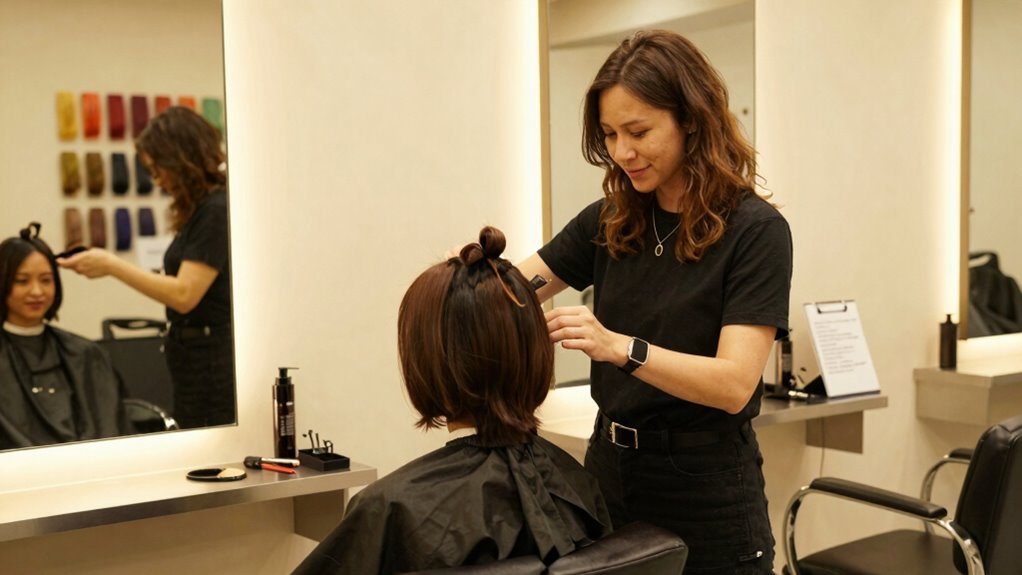

To protect your clients and your salon, you need more than just creativity—implementing a consent system is vital. Sharing photos without permission risks privacy breaches, legal trouble, and losing trust. A clear consent process ensures clients understand how their images will be used, helping you stay compliant and transparent. By respecting their rights, you build credibility and loyalty. Keep going to discover how a simple consent setup can safeguard your reputation and boost your marketing efforts.

Get beauty and skincare favorites delivered free — and shop member deals
- Fast, free delivery on millions of items
- Access to Prime Big Deal Days deals on October 6–7
- Prime Video, Amazon Music and more included
Key Takeaways
- Consent systems ensure legal compliance and protect against privacy violations when sharing client images.
- They build trust and transparency, demonstrating respect for client rights and fostering loyalty.
- Relying solely on creativity risks legal disputes and privacy breaches without documented approval.
- Clear consent processes streamline content sharing, reducing misunderstandings and potential conflicts.
- Implementing consent safeguards your salon’s reputation while allowing creative marketing within ethical boundaries.
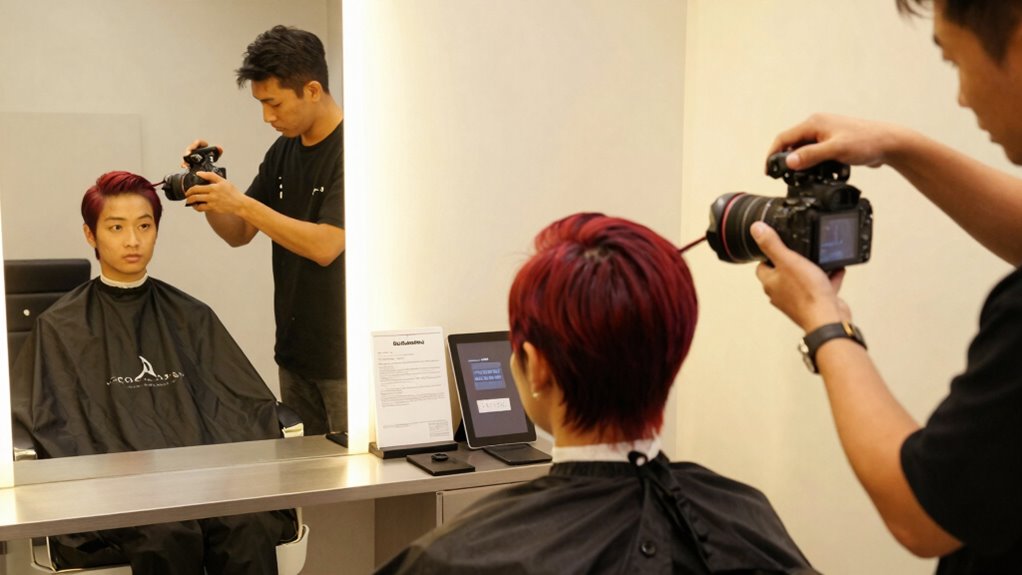
You might think that posting before-and-after photos or sharing social media content is harmless, but without explicit permission, you could be exposing yourself to unnecessary risks. Clients have the right to control how their images are used, and neglecting this can lead to misunderstandings or legal disputes. Implementing a formal consent process helps you document their approval, giving you peace of mind that your content sharing aligns with their wishes. This is especially vital in today’s environment, where privacy concerns are at the forefront, and social media content can spread quickly beyond your control. Incorporating privacy awareness into your practices ensures you stay ahead of evolving regulations and client expectations. Legal compliance is another critical reason for adopting a content consent system. Laws and regulations around privacy and data protection are becoming stricter, with penalties that can be severe for non-compliance. By obtaining clear, written consent, you demonstrate that you respect your clients’ rights and follow applicable laws. This not only shields you from legal repercussions but also boosts your professional credibility. Clients are more likely to trust a salon that takes their privacy seriously, which can translate into increased loyalty and positive reviews. A good consent system isn’t just about avoiding trouble; it’s about creating transparency and fostering trust. When clients sign a consent form, they understand exactly how their images will be used—whether for marketing, social media, or portfolio purposes. This clarity encourages open communication and reassures clients that their personal information won’t be misused. Additionally, having documented consent can simplify your workflow, especially when managing multiple clients and campaigns. Leveraging digital tools can further streamline this process and ensure records are securely stored. Staying informed about cybersecurity threats and best practices helps protect sensitive client data from potential breaches. Moreover, a thorough understanding of privacy regulations can help you adapt your policies proactively, preventing future compliance issues. Recognizing the importance of client trust can also enhance your reputation and client retention in a competitive market. Ultimately, your creativity in styling and marketing can only reach its full potential if you respect your clients’ rights and adhere to legal standards. A content consent system is a practical, essential tool that balances your desire to showcase your work with your responsibility to protect client privacy and ensure legal compliance. It’s a small investment that pays off by building trust, safeguarding your reputation, and allowing your creative content to shine confidently within the boundaries of respect and law.
digital client consent form for salons
As an affiliate, we earn on qualifying purchases.
As an affiliate, we earn on qualifying purchases.
Frequently Asked Questions
How Do Consent Systems Impact Salon Staff Workflows?
Consent systems streamline your salon staff workflows by providing clear guidelines for handling client approvals. When staff receive proper training, they confidently navigate consent processes, reducing delays and errors. This improves workflow efficiency, as everyone knows their roles and responsibilities. By integrating consent systems, you guarantee smoother operations, better client relationships, and compliance, all while empowering your staff with the knowledge they need to prioritize client comfort and consent seamlessly.
Are Consent Systems Legally Required for Salons?
No, consent systems aren’t legally required for salons everywhere, but they’re highly recommended to protect client privacy and guarantee data security. Implementing these systems helps you obtain clear permission before sharing client images or personal details, reducing legal risks. By prioritizing client privacy through consent, you foster trust, maintain compliance with privacy laws, and safeguard sensitive information, ultimately creating a more professional and secure environment for both your staff and clients.
What Features Should a Good Consent System Include?
A good consent system should include clear client education about how their content will be used, ensuring they’re fully informed before giving permission. It must also incorporate privacy policies that protect client data and images, outlining how information is stored and shared. Additionally, the system should have straightforward consent forms, easy-to-understand language, and options for clients to revoke consent at any time, building trust and compliance.
How Do Clients Typically Respond to Consent Requests?
Think of consent requests as delicate butterflies landing softly on your hand. Clients often respond with respect, appreciating the clarity and respect for their privacy, but some may experience consent fatigue, feeling overwhelmed by repeated asks. You notice a polite nod or a brief affirmation, signaling understanding and trust. By respecting client privacy and managing consent fatigue, you foster a positive atmosphere, making them feel valued and comfortable sharing their images.
Can Consent Systems Be Integrated With Salon Booking Software?
Yes, consent systems can be integrated with salon booking software, helping you prioritize digital privacy and build customer trust. Many booking platforms now offer customizable consent forms that automatically link to client profiles, ensuring you obtain clear permission before sharing images or content. This seamless integration streamlines your workflow, demonstrates your commitment to privacy, and fosters stronger client relationships by showing you value their digital privacy and trust.
Conclusion
Implementing consent systems in salon content isn’t about stifling creativity; it’s about respecting your clients’ boundaries and building trust. Sure, some might think it slows down your creative flow, but in reality, it enhances your reputation and guarantees everyone feels comfortable. When clients see you prioritize their consent, they’re more likely to share genuine moments, making your content authentic and engaging. So, embrace consent — it’s the secret to sustainable, respectful, and truly compelling salon content.
Halloween Picks
halloween
As an affiliate, we earn on qualifying purchases.