
TL;DR
Artificial intelligence is increasingly integrated into the cosmetics industry, offering personalized beauty solutions and virtual try-ons. This development is confirmed and signals a shift toward algorithm-driven beauty standards, though ethical and practical questions remain.
Leading cosmetic companies are now deploying artificial intelligence to customize beauty products and enhance consumer experiences, marking a significant technological shift in the industry. This development matters because it influences how consumers select and perceive beauty, raising questions about authenticity, diversity, and ethical use of data.
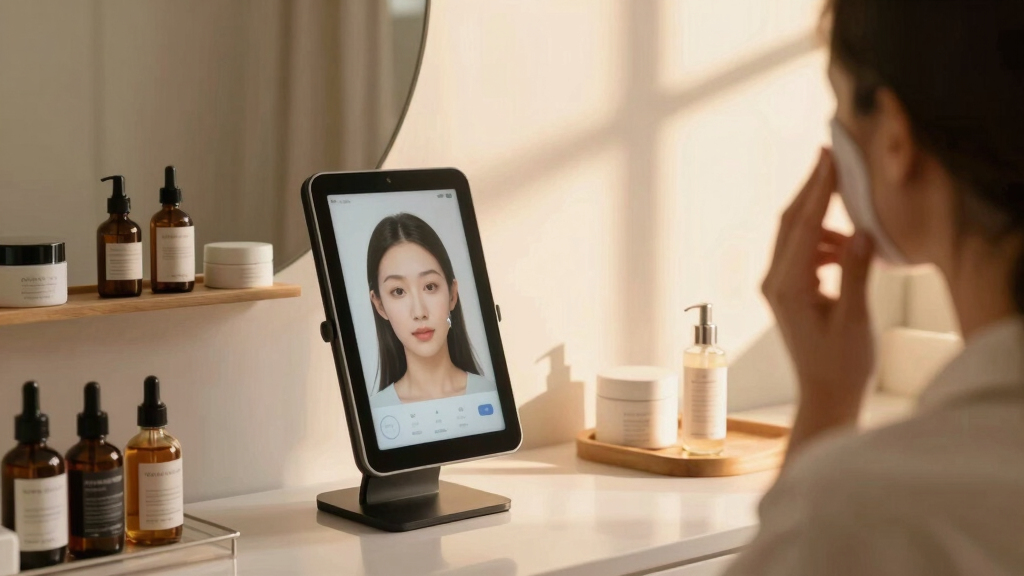
Several major brands, including L’Oréal and Sephora, have announced the integration of AI-driven tools such as virtual try-on applications and personalized skincare recommendations. These tools use machine learning algorithms to analyze user data, enabling tailored product suggestions and virtual makeup application in real-time. For example, L’Oréal’s AI-powered virtual try-on app allows users to see how different shades and styles look on their faces via smartphone cameras, a feature now available in multiple markets.
Industry insiders confirm that AI’s role in cosmetics is expanding rapidly, driven by consumer demand for personalized experiences and advancements in computer vision and machine learning technologies. The companies emphasize that these tools support, rather than replace, traditional beauty consultations, aiming to enhance customer satisfaction and inclusivity. However, critics and experts raise concerns about data privacy, algorithmic bias, and the potential for reinforcing narrow beauty standards.
Impact of AI on Beauty Standards and Consumer Experience
The adoption of AI in cosmetics represents a shift toward highly personalized beauty experiences, which can democratize access to diverse styles and looks. It also raises important questions about the influence of algorithm-driven recommendations on societal standards of beauty. While these technologies can promote inclusivity by offering tailored options, there is a risk that they may also reinforce existing stereotypes if not carefully managed. For consumers, this technological integration offers more convenient and engaging ways to explore beauty, but it also prompts discussions about data privacy and the authenticity of virtual representations.
As an affiliate, we earn on qualifying purchases.
Growth of Digital and AI Technologies in Cosmetics
The use of digital tools in cosmetics has been steadily increasing over the past decade, with virtual try-ons and online consultations becoming mainstream. The recent surge in AI adoption is a natural progression, supported by advancements in machine learning, augmented reality, and computer vision. In 2022 and 2023, several brands launched AI-powered apps, signaling a broader industry shift. Historically, the industry has been slow to adopt new technologies compared to other sectors, but consumer demand for personalized, tech-enabled experiences has accelerated this trend.
“Our AI-driven virtual try-on tools are designed to empower consumers with more confidence and choice in their beauty routines.”
— L’Oréal spokesperson
Unresolved Questions About AI’s Role in Beauty
It remains unclear how widespread the adoption of AI will become across different markets and demographic groups. Concerns about data privacy, algorithmic bias, and the potential for reinforcing narrow beauty ideals continue to be debated among experts and consumers. Additionally, the long-term impact of virtual representations on self-image and societal standards is still developing, with no definitive consensus yet.
Future Developments in AI-Driven Beauty Tech
Industry leaders plan to expand AI capabilities, including more sophisticated personalization and greater inclusivity features. Regulatory bodies and consumer advocacy groups are also expected to scrutinize data practices and ethical standards. In the coming months, more brands are likely to announce AI-powered innovations, and ongoing research will assess the social and psychological impacts of these technologies.
Key Questions
How does AI personalize beauty products?
AI analyzes user data, such as skin type, preferences, and facial features, to recommend products tailored to individual needs and styles.
Are virtual try-ons accurate?
While virtual try-ons use advanced computer vision, their accuracy depends on the quality of the technology and the user’s device. They are designed to give a close approximation but may not be perfect.
Does AI risk reinforcing narrow beauty standards?
There is concern that algorithms trained on limited datasets might promote stereotypical beauty ideals, but many companies are working to ensure diversity and inclusivity in their AI models.
What are the privacy implications of AI in cosmetics?
AI tools often collect personal data, raising questions about data security and consent. Consumers should review privacy policies and choose trusted brands.
Source: rss