
TL;DR
Luxury facial cleansing brushes are powered or manual tools that help spread cleanser and remove surface residue, but a mild cleanser and clean hands work well for many people. When comparing devices, look at comfort, cleaning, replacement costs, and warranty, then start slowly and stop if your skin becomes irritated.
A polished cleansing brush can look like a tiny spa appointment beside your sink, but a high price does not promise better skin. The right tool may make washing your face feel more satisfying; the wrong texture or routine can leave your skin tight and red.

Get beauty and skincare favorites delivered free with Prime
- Fast, free delivery on millions of items
- Prime Video, Amazon Music and more included
- Member-only deals all year
This guide explains how luxury facial cleansing brushes work, what premium features actually change, and what to check before you buy. You’ll also get a gentle way to try one, plus practical advice on cleaning, costs, and skin that needs extra care.
Think of a brush as a routine preference, not a requirement. If your hands and a mild cleanser already leave your face comfortable, you may not need another device on the counter.
A brush may make cleansing feel more thorough or enjoyable, but clean hands and a mild cleanser work well for many people.
Bristle and silicone designs differ in feel and upkeep; limited independent evidence shows one cleans better for everyone.
Check replacement costs, cleaning instructions, charging, water resistance, and warranty before paying a premium.
Start gently and reduce use or stop if you notice tightness, soreness, flaking, or persistent redness.
Avoid brushing irritated or broken skin, and ask a dermatologist about persistent concerns or existing skin conditions.
What a Luxury Facial Cleansing Brush Can—and Can’t—Do
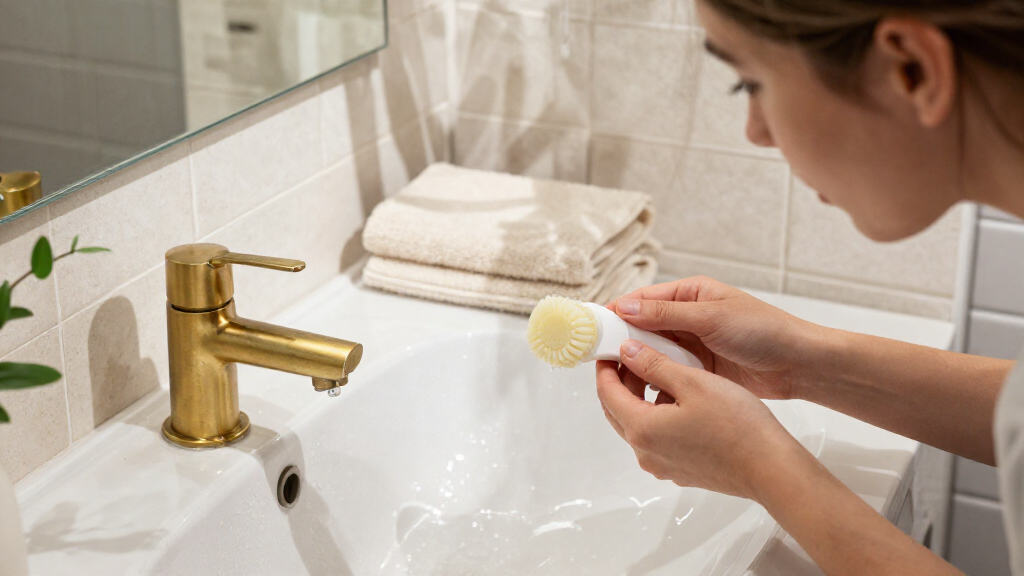
A luxury facial cleansing brush is a powered or manual tool designed to help spread cleanser and lift away makeup, sunscreen, oil, and surface debris. Powered designs may use moving bristles or silicone touchpoints with vibration; manual tools rely on the movement of your hand. They can change how a wash feels, but they are optional: clean hands and a mild cleanser are enough for many routines.
Imagine washing off sunscreen after a sunny commute. A soft device may help you feel that you have worked cleanser across your cheeks and around your nose, where residue can linger. That pleasant, thorough feeling is a reasonable benefit. It does not prove the device treats acne or improves skin health.
There is limited independent evidence that bristles, oscillation, and sonic silicone consistently clean better than one another for everyone. Brands may promote “deep cleansing,” smaller-looking pores, or improved absorption, but treat those claims cautiously unless independent clinical evidence supports them. A brush can lift surface residue; it cannot permanently shrink pores or remove blackheads for good.
A brush changes the cleansing experience. It does not replace a suitable skincare routine.
That distinction helps set a fair expectation: choose a brush because you enjoy its feel or convenience, not because its price suggests guaranteed results. For persistent skin concerns, a dermatologist can help you find a suitable routine.
Products Worth Considering

Garmin Venu 4 GPS Fitness Smartwatch, 45 mm, Black Silicone

Withings Body Scan Smart Scale with Segmental Body Composition and ECG, Black

Withings Sleep Under-Mattress Sleep Tracking Pad
As an affiliate, we earn on qualifying purchases.
Choose Between Soft Bristles and Silicone by Feel and Upkeep
Luxury facial cleansing brushes usually differ most in the surface that touches your face: soft bristles that move, or silicone touchpoints paired with vibration. Neither style has been shown to clean better for every person, so compare comfort, care instructions, and ongoing cost. The gentlest useful tool is the one you can handle without pressing or scrubbing.
| Feature | Bristle brush | Silicone device |
|---|---|---|
| Contact surface | Soft bristles may move in circular or oscillating patterns. | Flexible touchpoints may vibrate against the skin. |
| Upkeep | Rinse, dry fully, and replace the head as instructed. | Rinse away residue and clean the surface regularly. |
| Ongoing cost | Replacement heads can add to the total price. | Often avoids disposable brush heads, but still needs care. |
| Good buying question | How often does the brand recommend a new head? | Can you clean and dry every contact surface easily? |
For example, if you have a small bathroom shelf and dislike keeping spare parts, silicone may fit your habits. If you prefer replaceable heads, check their price before you fall for the device’s polished display stand. Your choice depends on feel and upkeep, not a universal ranking.
Premium models may also offer multiple intensity settings, sealed designs, refined styling, or simple charging. App guidance and personalized routines can sound persuasive, but those features do not establish better skin results. Look for clear use instructions and a surface that feels gentle when used with light pressure.
Check These Costs and Features Before Paying a Premium
A luxury facial cleansing brush is worth comparing by its total ownership cost and day-to-day convenience, not just its launch price. Ergonomic handling, clear instructions, water resistance suited to your bathroom, a useful warranty, and easy cleaning may matter more than extra modes. High price alone does not guarantee a better cleanse or better results for your skin.
Picture the moment after a late shower: a slippery device, wet fingers, and a charger tucked behind a stack of towels. A comfortable grip and a charging method you can manage may make the brush easier to keep in your routine. Check the product’s stated water use and care instructions; don’t assume “waterproof” means you can charge it or leave it submerged.
Before buying, compare the features that affect your routine and budget:
- Replacement parts: Find the cost and suggested replacement timing for bristle heads.
- Battery and charging: Check the stated battery life and whether charging fits your setup.
- Cleaning: See if cleanser residue can be rinsed from every surface.
- Support: Read the warranty and understand what it covers.
- Materials and packaging: Consider repairability and packaging alongside the initial price.
For instance, a less expensive brush with affordable heads and straightforward care might cost less over a year than a premium device with costly replacements. Features that save effort are useful when they solve a real problem in your routine. A phone app that you never open is unlikely to make face washing better for you.
Introduce a Brush Slowly and Let Your Skin Set the Pace
Start with a brief, gentle session and use the brush less often than the maximum frequency the manufacturer recommends. Use it with a compatible cleanser, keep pressure light, and reduce use or stop if your skin feels tight, sore, flaky, or persistently red. The device’s instructions matter, but your skin’s comfort guides how often it suits you.
- Remove heavy makeup first with a suitable makeup remover if needed; don’t scrub around your eyes with the brush.
- Wet your face and the brush, then add a mild cleanser as directed.
- Move gently across your face without pressing hard or lingering on one spot.
- Rinse your face and the device, remove cleanser residue, and let the tool dry fully.
- Check how your skin feels afterward and before your next session; ease back if irritation appears.
Suppose you try a brush on Monday and your cheeks feel hot and tight that evening. Skip the next session and simplify your routine while your skin settles. A longer session or a stronger setting is not automatically a better cleanse.
A brush is a cleansing tool, not an exfoliating treatment in itself. Pairing frequent brushing with scrubs, exfoliating acids, or retinoids may increase dryness and redness. If you already use active ingredients, consider using the brush less often or avoiding it when your skin feels sensitive, and follow the relevant product guidance.
Know When Hands Are the Gentler Choice
If your skin is sensitive, inflamed, broken, or already irritated, clean hands and a mild cleanser may feel more comfortable than brushing. People with rosacea, eczema, active acne, or a damaged skin barrier may find a brush aggravating, especially if they press hard or use it too often. A premium device does not cancel out friction.
For example, if a painful breakout sits along your jaw, brushing directly over those spots may make washing feel rough and uncomfortable. You can avoid affected areas or set the device aside while your skin is irritated. Anyone with a flare, broken skin, or persistent discomfort can ask a clinician or dermatologist for individual advice.
Even if your skin usually tolerates a brush, combine it thoughtfully with the rest of your routine. On a night when you use an exfoliating acid or retinoid, extra mechanical brushing may be more than your skin wants. If your face becomes sore or persistently red, stop brushing and review your products and routine with a professional when appropriate.
Comfort is useful feedback: tightness, soreness, flaking, and lingering redness are reasons to ease back.
Hands offer more control and no device upkeep. If they leave your face clean and comfortable, there is no need to add a brush just because a product is labeled luxury. If you choose to try one, begin gently and keep the option to return to hands.
Keep Your Brush Clean Without Turning It Into a Chore
Rinse your brush head or silicone surface after every use, remove cleanser residue, and let it dry fully before storing it. Follow the manufacturer’s cleaning and replacement instructions, since care varies by device. A brush kept damp with cleanser still on it is harder to keep fresh than one you rinse and dry consistently.
Think of the damp corner of a shower shelf where soap builds up on a bottle cap. A brush left in the same wet spot can also collect residue, so a quick rinse and a place where it can air-dry are practical habits. If you use a bristle head, check when the manufacturer says to replace it and include those replacement costs in your budget.
Silicone devices generally avoid disposable heads and are often easy to rinse, but “no replacement head” does not mean “no cleaning.” Regular care and storage still matter. A design with a simple shape and accessible surfaces may be easier to maintain than one with tiny grooves you struggle to reach.
For a real-world routine, rinse the tool while you rinse your face, shake off excess water, then set it somewhere dry. That takes little effort and can help the device fit your nightly routine without becoming another object that needs special attention. Follow the product’s stated water resistance and charging guidance as well.
Frequently Asked Questions
Do facial cleansing brushes work better than hands?
A brush may help some people remove surface residue or enjoy cleansing more, but a mild cleanser and clean hands are enough for many routines. There is limited independent evidence that one design cleans better for everyone. Choose based on comfort and convenience.
Are cleansing brushes suitable for sensitive or acne-prone skin?
They may aggravate sensitivity or inflamed breakouts, especially with firm pressure or frequent use. If you try one, choose the gentlest setting and start infrequently; stop if irritation appears. Ask a dermatologist about persistent concerns or a skin condition.
Can a cleansing brush remove blackheads or shrink pores?
A brush can help lift surface residue, but it cannot permanently remove blackheads or change pore size. Blackheads may need a suitable skincare routine or professional advice. Avoid scrubbing harder in search of a lasting result.
Can I use a brush with retinoids or exfoliating acids?
Combining mechanical brushing with active ingredients can increase dryness and redness. Consider using the brush less often or skipping it when your skin feels sensitive, and follow the product directions. Stop if your skin becomes sore or persistently irritated.
Are silicone cleansing brushes more hygienic than bristle brushes?
Silicone devices avoid a bristle head that needs replacement and are often easy to rinse. They still need regular cleaning and drying. Hygiene depends on following care instructions and storing the device so it can dry.
Are expensive cleansing brushes worth it?
A premium price may buy materials, styling, convenience, support, or longer battery life, but it does not guarantee better skin results. Compare the warranty, cleaning instructions, and replacement parts as well as the initial cost. The value depends on whether the features help your routine.
Conclusion
Choose a luxury facial cleansing brush for a feature you will actually use: a comfortable grip, a gentle surface, easy rinsing, or simpler upkeep. Compare replacement costs and care instructions before buying, then start slowly if you try one.
If your hands and cleanser already leave your skin comfortable, you have a complete routine. Let your face set the pace, and let the brush earn its place beside the sink.