
TL;DR

Get beauty and skincare favorites delivered free with Prime
- Fast, free delivery on millions of items
- Prime Video, Amazon Music and more included
- Member-only deals all year
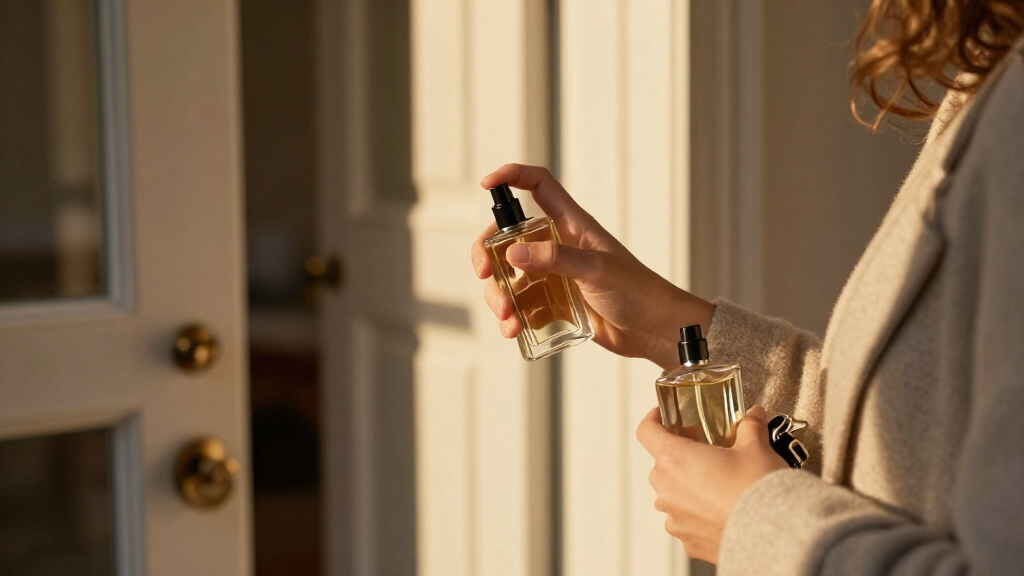
Marie Claire published a guide to five women’s eau de toilettes, presenting them as options for people who prefer a lighter fragrance or a scent that stays closer to the skin. The report says EDTs typically contain about 5% to 10% perfume oil and may not last as long as more concentrated fragrances; wear time varies by product and person.
Marie Claire has published a guide to five women’s eau de toilettes, recommending the fragrance format for people who want a scent that can feel lighter and less room-filling than more concentrated perfumes. The report also explains that eau de toilette, or EDT, typically has a lower perfume-oil concentration and may fade sooner, making it a possible choice for those who prefer a softer fragrance presence.
The guide’s five picks are Chanel Chance Eau Tendre, Snif Me, Diptyque Orphéon, Miu Miu Rose and Molton Brown Neon Amber. Marie Claire assigns each a category: overall, gourmand, unisex, floral and amber, respectively. The list is an editorial selection, not a reported laboratory comparison or an independent assessment of every EDT on the market.
Marie Claire cites J.J. Vittoria, founder of customizable fragrance brand Olfactory NYC, describing EDT as typically containing 5% or 10% perfume oil and more alcohol. The report says lower oil content can mean a fragrance does not last as long on skin, though longevity depends on the particular formula and how it wears on an individual. The source does not provide test conditions or a standardized duration comparison across the five products.
Beauty writer Ariel Baker says Chanel Chance Eau Tendre wears as a powdery musk on her and can be layered with other perfumes. The report describes Snif Me as a fruity, woody and musky scent intended to sit closer to the skin. For Diptyque Orphéon EDT, Baker reports that it lasted about eight hours on her skin and more than 24 hours on clothing; that is her personal experience, not a guaranteed result for other users.
A Lighter Option for Fragrance Wearers
The guide addresses a practical choice for shoppers: how noticeable they want a fragrance to be, and how long they expect it to last. An EDT may suit someone seeking a softer scent profile or a fragrance for situations where a strong projection is not preferred. That can include evening routines, shared spaces or anyone who simply favors a subtler fragrance, though the report’s bedtime use is the writer’s personal preference rather than a general recommendation.
The trade-off is that a lighter concentration may require reapplication, depending on the fragrance and the wearer. Readers should not assume that every EDT will be faint or short-lived: the source itself describes Orphéon EDT as lasting well on the writer’s skin and clothing. The five recommendations offer examples across several scent families, but the article does not establish that the products will perform similarly for all users.
For shoppers, the distinction can help narrow a search before testing a fragrance. Notes and concentration provide clues, but personal preference, skin, application and setting affect the result. Trying a scent before buying, where possible, remains a more reliable way to judge whether its strength and wear suit an individual.
Products Worth Considering

LEVOIT Vital 200S-P Smart Air Purifier for Large Rooms

Garmin Forerunner 55 GPS Running Smartwatch, Black

Bowflex SelectTech 840 Adjustable Kettlebell
As an affiliate, we earn on qualifying purchases.
How EDT Differs From More Concentrated Perfume
The Marie Claire report places eau de toilette within a broader range of fragrance concentrations. It quotes Vittoria’s typical estimate of 5% to 10% perfume oil for an EDT, alongside more alcohol than in more concentrated formats. Because fragrance oil contributes to how much scent remains, the article says EDTs often do not last as long as their more concentrated counterparts. The wording is qualified: “typically” does not mean every product follows the same formula or wears the same way.
The article’s author says she wears EDT at night because she prefers a scent that wafts gently rather than filling a room. That framing explains the guide’s focus on subtlety, but it is a personal account. The recommendations span fruity-floral, fruity-musky, fresh-woody, floral and amber descriptions, giving shoppers different scent directions rather than a single definition of what “subtle” smells like.
The product notes are editorial descriptions and the writer’s impressions. For example, Baker characterizes Chanel Chance Eau Tendre as soft and powdery, while the report says Diptyque Orphéon’s EDT includes green mandarin alongside juniper berries and cedar. These details can help readers decide what to sample, but they do not replace smelling the fragrance or establish how it will develop on another person.
“Typically, an eau de toilette has a five percent or 10 percent perfume oil concentration and more alcohol content.”
— J.J. Vittoria, founder of Olfactory NYC, as quoted in Marie Claire
Wear Time Varies by Fragrance
The supplied report does not include its publication date, prices for all five products, or a consistent test comparing their longevity and projection. It also does not give a full review of every fragrance’s performance. The only specific duration in the source is Baker’s account of Orphéon EDT on her skin and clothing, which should not be treated as a universal result.
It is also unclear from the provided material whether the products remain available in the same sizes or formulations, and the source does not supply independent testing or consumer data. Fragrance descriptions such as “subtle,” “skin scent” and “long-lasting” are partly subjective. The report’s concentration estimate is typical rather than a confirmed ingredient breakdown for each recommendation.
Test Before Choosing a Bottle
The report offers a shortlist rather than announcing a product launch or policy change. Readers considering one of the five recommendations can compare its listed notes and category, then sample it on skin if a tester is available. Allowing time for the fragrance to develop can help distinguish its opening notes from how it smells later in the day.
Anyone sensitive to fragrance may prefer to test a small amount in a setting where they can stop wearing it if it causes discomfort. The source does not report medical findings or claim that EDTs prevent headaches; lower concentration does not guarantee that a scent will be comfortable for every person. No further testing, product update or follow-up date is specified in the supplied report.
Key Questions
What does EDT mean?
EDT stands for eau de toilette. Marie Claire quotes fragrance founder J.J. Vittoria saying it typically contains about 5% to 10% perfume oil and more alcohol, although formulas vary.
Which five fragrances does the guide recommend?
The list names Chanel Chance Eau Tendre, Snif Me, Diptyque Orphéon, Miu Miu Rose and Molton Brown Neon Amber, in categories ranging from overall pick to floral and amber.
Does an eau de toilette always wear lightly or fade quickly?
No. The report says EDTs typically may not last as long because of their lower oil concentration, but wear depends on the formula and the wearer. Baker reports that Orphéon EDT lasted about eight hours on her skin; that personal account is not a guarantee.
Is an EDT a good choice for someone sensitive to fragrance?
It may be worth sampling if a person prefers a less concentrated fragrance, but the guide does not establish that EDTs are safe or comfortable for everyone with fragrance sensitivity. Test cautiously and stop using a scent if it causes discomfort.
Source: marieclaire.com