
TL;DR

Get beauty and skincare favorites delivered free with Prime
- Fast, free delivery on millions of items
- Prime Video, Amazon Music and more included
- Member-only deals all year
The key to great hair styling is understanding your hair type, adjusting heat carefully, and choosing tools designed for your desired look. Proper technique and safety features make a big difference in maintaining hair health.
Imagine this: you’re about to style your hair, but your tool feels awkward, or you’re not sure if you’re using the right heat. Styling tools can do wonders—if you pick the right one and use it wisely. But many of us overlook basic details that could save our hair from unnecessary stress.
In this guide, you’ll learn what makes a styling tool effective, how to match it with your hair type, and the smart features that boost safety and results. Whether you’re after sleek straight locks or bouncy curls, understanding your tools is the first step to healthier, more beautiful hair.
Always adjust heat settings to match your hair type—less heat means less damage.
Choose tools with a design suited to your desired style—small barrels for tight curls, large for waves.
Material matters, but proper technique and temperature control are equally critical.
Technical features like automatic shutoff, swivel cords, and cool tips improve safety and ease of use.
Invest in quality, but verify features like controls, durability, and safety before buying.
Why Heat Control Is More Important Than Maximum Temperature
When choosing a styling tool, heat control beats sheer power. A tool set to 210°C might style hair faster, but it can also cause more damage—dryness, breakage, and split ends. Adjustable temperature settings let you tailor heat to your hair’s needs, protecting its health.
For example, fine, bleached hair often needs around 120–165°C, while coarse, resistant hair might tolerate up to 210°C. Using the right temperature prevents unnecessary stress, keeping your hair shiny and healthy long-term.
Research shows that repeated high-heat passes create more damage than a single, well-controlled pass. So, turn down the heat, work smarter, not harder.
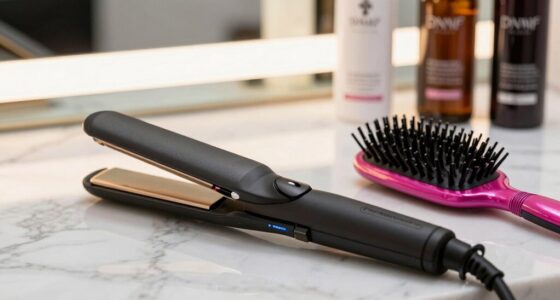
adjustable temperature hair straightener
As an affiliate, we earn on qualifying purchases.
As an affiliate, we earn on qualifying purchases.
How Tool Design Shapes Your Style — Flat Irons, Curlers & More
Your styling results depend heavily on the tool’s design. Flat irons with flat, wide plates create sleek, straight styles or gentle bends. Curling irons with clamps produce consistent, polished curls. Curling wands give a more tousled, natural look, but require more skill to avoid finger mishaps.
Hot-air brushes combine drying and styling, making quick blowouts simple. Diffusers gently dry curls with less frizz, while heated rollers add volume with minimal hassle. Multi-stylers with interchangeable attachments can do it all—if you pick the right one for your routine.
Think about what you want—tight curls or loose waves—and choose accordingly. Your tool’s shape and features directly influence your final look.
The Truth About Material: Ceramic, Titanium & Tourmaline
Material matters, but it’s not everything. Ceramic plates are known for even, gentle heat and are great for beginners or fragile hair. Titanium heats up quickly and transfers heat efficiently, perfect for thick, resistant strands—but it can be too intense if not used carefully.
Tourmaline-coated tools emit negative ions, helping reduce static and smoothing hair. However, a durable coating and precise temperature control are just as important as the material itself.
For example, a ceramic flat iron at low heat can be safer than a titanium one cranked to maximum. Material affects heat distribution and safety, but technique and settings are equally vital.
Choosing the Right Barrel and Plate Sizes for Your Hair and Style
Size isn’t just about inches—it’s about what kind of curls or waves you want. Smaller barrels (around 1/2 inch) create tight, defined curls. Larger barrels (2 inches or more) produce loose waves and volume.
On short hair, small or narrow straighteners give more control, especially near the roots. Long, thick hair benefits from wider plates or barrels that reduce styling time and evenly distribute heat.
For example, a 1-inch curling wand is perfect for ringlets, while a 3-inch barrel helps achieve effortless beach waves. Picking the right size saves time and improves your style’s consistency.
Match Your Tool to Your Hair Type and Condition
Your hair’s texture, density, and health should guide your tool choices. Fine hair needs gentle, low-temperature options. Thick, curly, or resistant hair requires powerful airflow and wider attachments.
Color-treated or damaged hair benefits from lower heat and fewer passes. Short hair needs smaller tools for precision. For example, someone with fine, processed hair might use a ceramic flat iron at 140°C, while a person with dense, curly hair might prefer a wide barrel curling iron at 190°C.
Knowing your hair helps you avoid damage and achieve better results—less frustration and more compliments.
Why Technique Is as Important as Your Tool
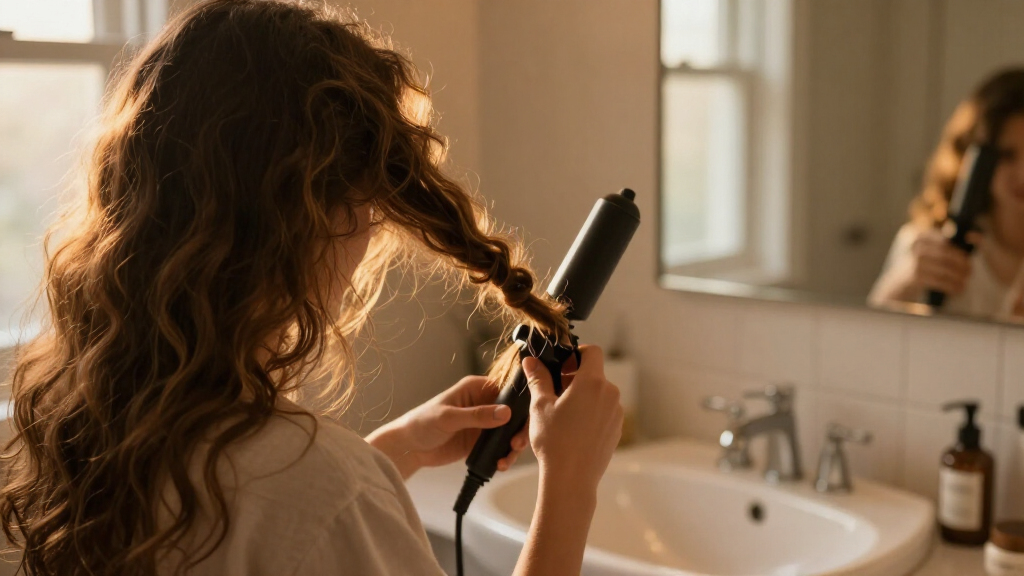
Even the best tool won’t deliver perfect results if you don’t use it right. Sections should be manageable—no more than 1-2 inches thick. Tension matters; pulling hair tight ensures even curls or straightening. Speed counts—slow and steady often beats quick passes.
For example, when curling, wrapping hair evenly around the barrel and allowing each curl to cool helps it last longer. Using a comb or brush to detangle before styling prevents snagging and uneven heat distribution.
Remember: on damp hair, heat can cause rapid damage. Always blow-dry thoroughly before using hot tools unless the device is specifically designed for wet-to-dry styling.
Heat Protectants: Your Hair’s Best Friend (But Not a Shield)
Heat protectants are like a thin coat of armor—they can reduce friction and form a barrier around your strands. However, they don’t make heat completely safe. Using high temperatures repeatedly or passing over same sections can still cause damage.
Apply protectants evenly, focusing on lengths and ends. Wait a few seconds for them to set before applying heat. Remember, they’re helpers, not shields—overheating still harms hair over time.
For example, spritz a thermal protectant on damp hair before blow-drying or lightly spray on dry hair before flat ironing. Follow the product instructions carefully.
Safety Features That Make Styling Less Stressful
Good safety features can prevent accidents and prolong your tool’s life. Automatic shutoff turns off the device after a period of inactivity—great for forgetful mornings. Swivel cords prevent tangling, making styling smoother.
Heat-resistant tips and stands protect your hands and surfaces. Dual voltage is handy for travel, but check if you need an adapter. A cool shot button on dryers helps set styles without burning your hair or fingers.
Look for tools with clear temperature markings, removable filters, and ergonomic designs. Safety isn’t just a bonus—it’s a must for everyday styling.
Latest Trends: Smarter, Safer, and More Versatile Styling
Modern styling tools are smarter. Some use sensors to monitor heat and adjust instantly, helping reduce damage. App-connected devices let you save settings, get styling tips, or receive maintenance alerts—making styling more precise and personalized.
Tools designed for textured hair now include specialized diffusers, larger brushes, and adjustable airflow to handle dense curls without pulling or snagging. Wet-to-dry stylers promise to cut routines short but require careful use to avoid damage.
Rechargeable, cordless options offer portability, but check battery life and heat recovery. Eco-conscious consumers look for durable, repairable designs and energy-efficient features.
Frequently Asked Questions
How do I know what temperature to use for my hair?
Start low—around 120°C for fine, damaged, or chemically treated hair. Increase gradually if needed, but never exceed 190°C unless your hair is thick and resistant. Always aim for the lowest effective temperature to prevent damage.
Can I use a curling iron on damp hair?
Only if the tool is specifically designed for wet-to-dry styling. Most curling irons and straighteners should be used on fully dry hair to avoid rapid water expansion and structural damage. Check your device’s instructions before use.
Are expensive tools really better?
Quality often correlates with better controls, durability, safety features, and comfort. But a high price tag doesn’t guarantee better results. Always compare features, read reviews, and consider your specific needs before investing.
How often should I clean my styling tools?
Clean plates, barrels, vents, and brushes regularly—at least once a month—to remove product buildup and hair residues. Unplug and cool the device first. Proper maintenance keeps tools working safely and effectively.
What’s the safest way to style curly hair without causing damage?
Use diffusers, lower temperatures, and avoid excessive passes. Keep hair detangled, start with damp hair using gentle products, and work in sections. Allow curls to cool before touching or brushing for longer-lasting, healthy-looking results.
Conclusion
Your hair deserves respect, not just heat. Pick tools that match your hair type, use them with care, and don’t forget the basics—sectioning, tension, and temperature. Gentle, intentional styling keeps hair healthy and your look flawless.
Next time you reach for your favorite tool, remember: a little knowledge turns routine into art—and keeps your hair happy for years to come.
Fall Picks
fall essentials
As an affiliate, we earn on qualifying purchases.