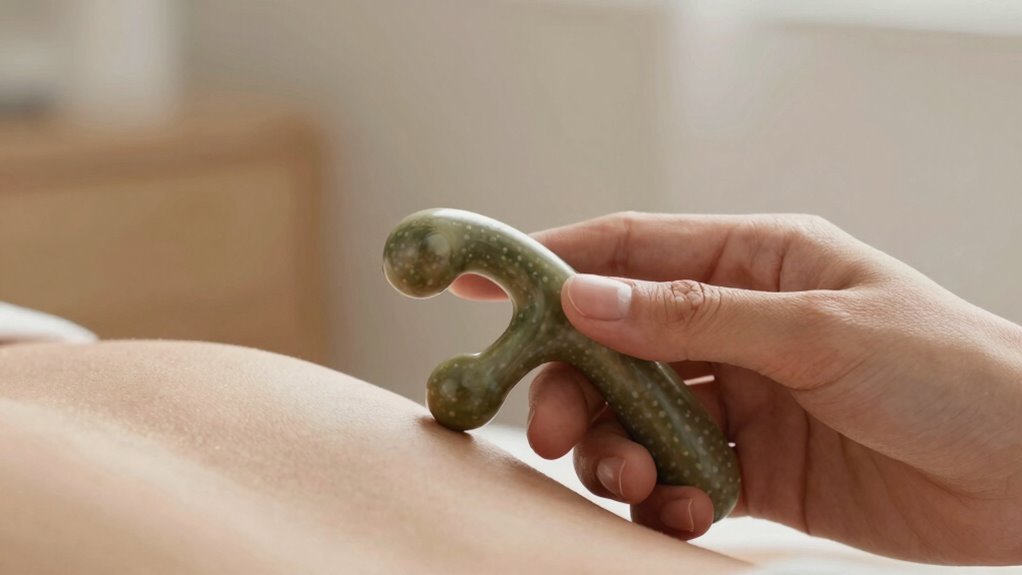

When you use less pressure with massage tools, you create a more soothing and effective experience. Gentle touches help muscles relax naturally, increase blood flow, and prevent discomfort or injury. Too much force can trigger pain, tension, or inflammation, negating the benefits. Focusing on lighter pressure also enhances your sensitivity, helping you target areas more accurately. Keep exploring, and you’ll discover how mindful pressure can improve your massage results and overall comfort.

Get beauty and skincare favorites delivered free with Prime
- Fast, free delivery on millions of items
- Prime Video, Amazon Music and more included
- Member-only deals all year
Key Takeaways
- Gentle pressure prevents discomfort and injury, allowing the tool to effectively target muscles without causing pain.
- Light touch enhances blood flow and lymphatic drainage more efficiently than excessive force.
- Overpressure can trigger muscle tension or inflammation, reducing the massage’s benefits.
- Mindful, lighter pressure improves technique and promotes relaxation of the nervous system.
- Developing pressure sensitivity helps identify areas needing gentle attention for better long-term results.
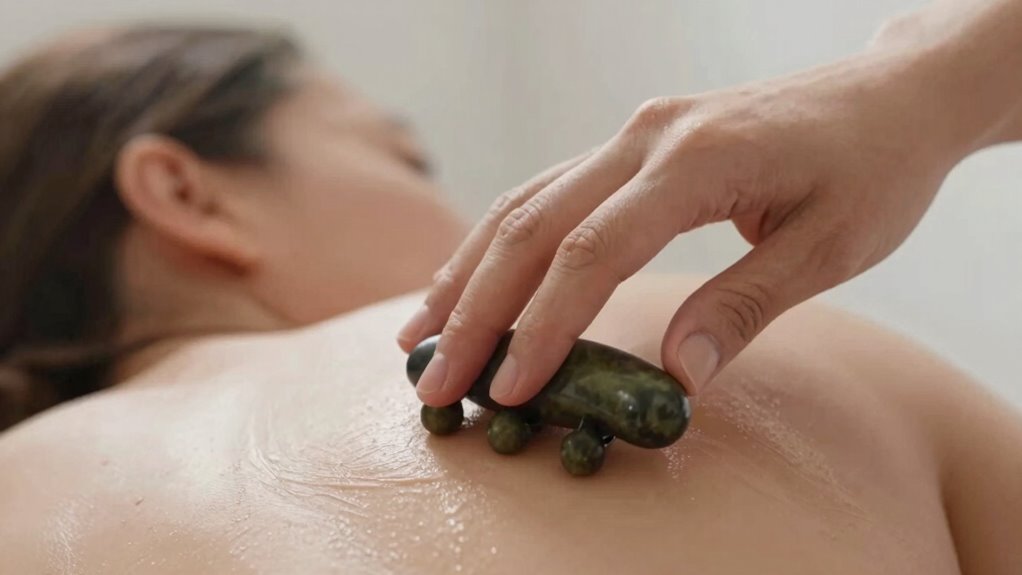
When it comes to using massage tools, applying less pressure often yields better results. Many people assume that pressing harder will unlock deeper muscle relief, but in reality, gentler touches tend to be more effective. Your body’s response to massage tools depends heavily on your pressure sensitivity—the way your muscles and nerves react to different levels of force. When you press too hard, you risk causing discomfort or even injury, which can negate the benefits of the massage altogether. Instead, focusing on light, controlled pressure allows your muscles to relax naturally, making the massage more comfortable and productive.
Gentle, controlled pressure enhances relaxation and effectiveness, preventing discomfort and maximizing massage benefits.
Massage tools are designed to target specific areas with precision, but they work best when used with awareness of your body’s signals. If you push too aggressively, you may trigger pain or tension, especially if your muscles are already sensitive or inflamed. Recognizing your pressure sensitivity is key; it helps you avoid overdoing it and instead encourages a more mindful approach. When you listen to your body and adjust your force accordingly, you enable your muscles to respond more positively. This means less discomfort, less risk of soreness, and a more pleasurable experience overall.
Using less pressure also enhances your ability to focus on technique rather than brute force. With massage tools, it’s tempting to try to dig deep or to feel like you’re achieving more by pressing harder. But what really matters is the quality of the touch. Light pressure allows you to glide smoothly over your muscles, promoting blood flow and lymphatic drainage without causing unnecessary strain. This gentle approach helps your nervous system stay relaxed, which is crucial because a tense nervous system can make muscles feel even more tight and sore. Additionally, understanding pressure sensitivity can help you customize your massage routine for better results. Developing this awareness can also contribute to overall body mindfulness, enhancing your connection with your physical sensations. Incorporating body awareness into your routine can also help you better identify areas that need gentle attention versus those that require more targeted pressure.
Furthermore, when you use massage tools with sensitivity to your pressure level, you foster better body awareness. You learn to distinguish between areas that need gentle attention and those that require a bit more focus. Over time, this awareness helps you develop a more intuitive touch, which results in more effective and enjoyable massage sessions. Incorporating pressure awareness into your routine can also help prevent overuse injuries and promote long-term muscle health. Being mindful of your pressure levels can also improve your overall comfort and effectiveness during massage, ensuring you get the most benefit from your efforts. Ultimately, respecting your pressure sensitivity ensures that your massage experience remains both safe and soothing.
Products Worth Considering

Hyperice Hypervolt 3 Percussion Massage Gun with Heated Head and Premium Carry Case

Hyperice Hypervolt Go 3 Percussion Massage Gun with Carry Case

Therabody Theragun Mini 3rd Generation Massage Gun
As an affiliate, we earn on qualifying purchases.
Frequently Asked Questions
Can Using Less Pressure Prevent Muscle Soreness?
Yes, using less pressure can help prevent muscle soreness. When you apply gentle pressure, it promotes deep relaxation and reduces the risk of overstimulating muscles. This approach allows your body to gradually release tension and encourages pain relief without causing additional inflammation or discomfort. By avoiding excessive force, you support a more soothing massage experience that minimizes soreness and enhances overall recovery.
Are Certain Massage Tools More Effective With Light Pressure?
Some massage tools are more effective with light pressure, especially for delicate areas. When targeting deep tissue or trigger point therapy, gentle contact helps avoid discomfort while still releasing tension. Using lighter pressure allows the tool to penetrate gradually, providing relief without aggravating muscles. So, for sensitive spots or when working on trigger points, opting for a softer touch often results in more effective, soothing results.
How Does Pressure Affect Circulation During Massage?
Applying the right amount of pressure during a massage promotes circulation enhancement and prevents tissue damage. Too much pressure can constrict blood vessels, reducing blood flow, while gentle pressure encourages better circulation and oxygen delivery to muscles. Pressure regulation is key; it helps you target areas effectively without causing discomfort or impairing circulation. By adjusting pressure appropriately, you guarantee a more effective, relaxing massage that boosts overall circulation and muscle recovery.
Can Excessive Pressure Cause Tissue Damage?
Yes, excessive pressure can cause tissue trauma, leading to damage or bruising. Pushing too hard may surpass your pain threshold, resulting in discomfort or injury instead of relief. When using massage tools, it’s important to apply just enough pressure to stimulate circulation and relax muscles without causing harm. Listening to your body helps prevent tissue trauma, ensuring a safe and effective massage experience.
Is There an Optimal Pressure for Different Muscle Groups?
You don’t need maximum pressure for every muscle group. Instead, you should vary pressure based on muscle sensitivity and tension. For sensitive areas, use gentle pressure, while tougher muscles respond better to increased pressure. This pressure variation helps prevent discomfort and tissue damage. Adjusting your technique ensures the massage feels effective and comfortable, targeting each muscle’s needs without risking injury. Listening to your body’s responses is key for ideal results.
Conclusion
You might be surprised to learn that applying less pressure with massage tools actually provides more relief. When you gently ease into each stroke, your muscles relax more deeply, helping to reduce tension and soreness. In fact, studies show that light pressure can be up to three times more effective at increasing blood flow than pressing harder. So, next time you massage, remember: sometimes, less is truly more, leaving you feeling refreshed and pain-free.