You need to improve your pedicure basin cleaning standards because improper sanitation can cause infections, spreading bacteria, fungi, and viruses to clients. Contact with skin, nails, and open cuts makes thorough cleaning essential. Relying only on chemical disinfectants isn’t enough; combining cleaning methods like UV sterilization adds extra protection. Regular inspections and maintenance prevent scratches and damage where germs hide. Keep your standards high to protect clients and boost your professional reputation—continue to discover how to elevate your sanitation practices.

Get beauty and skincare favorites delivered free with Prime
- Fast, free delivery on millions of items
- Prime Video, Amazon Music and more included
- Member-only deals all year
Key Takeaways
- Inadequate cleaning allows bacteria, fungi, and viruses to survive, increasing infection risk for clients.
- Scratches and residue buildup in basins harbor germs, making thorough sanitation essential.
- Proper cleaning prevents cross-contamination between clients, ensuring safety and hygiene.
- Combining chemical disinfectants with UV sterilization enhances overall basin sanitation.
- Regular inspection and maintenance help identify damage that can compromise cleaning effectiveness.
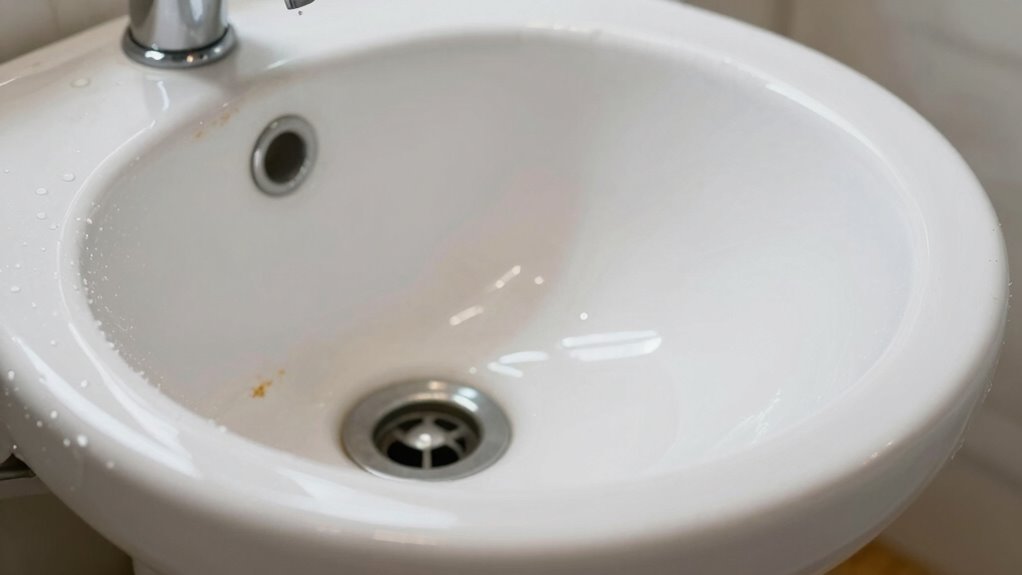
Proper cleaning of pedicure basins is essential to prevent the spread of infections and guarantee client safety. These basins come into direct contact with clients’ skin, nails, and sometimes open cuts, making thorough sanitation critical. Without a rigorous cleaning routine, bacteria, fungi, and viruses can linger, increasing the risk of cross-contamination. That’s why establishing a better cleaning standard isn’t just about appearance; it’s about health and professionalism.
Proper pedicure basin cleaning is vital for client safety and infection prevention.
One of the most effective methods to enhance sanitation is UV sterilization. After you clean the basin with standard disinfectants, exposing it to UV light helps kill remaining microorganisms that might survive chemical treatments. UV sterilization is fast, reliable, and leaves no chemical residues, making it an excellent step in your cleaning process. It’s especially useful in busy salons where quick turnaround times are essential. Incorporating UV sterilization into your routine can substantially reduce the risk of infection transmission, giving your clients peace of mind and strengthening your reputation for safety.
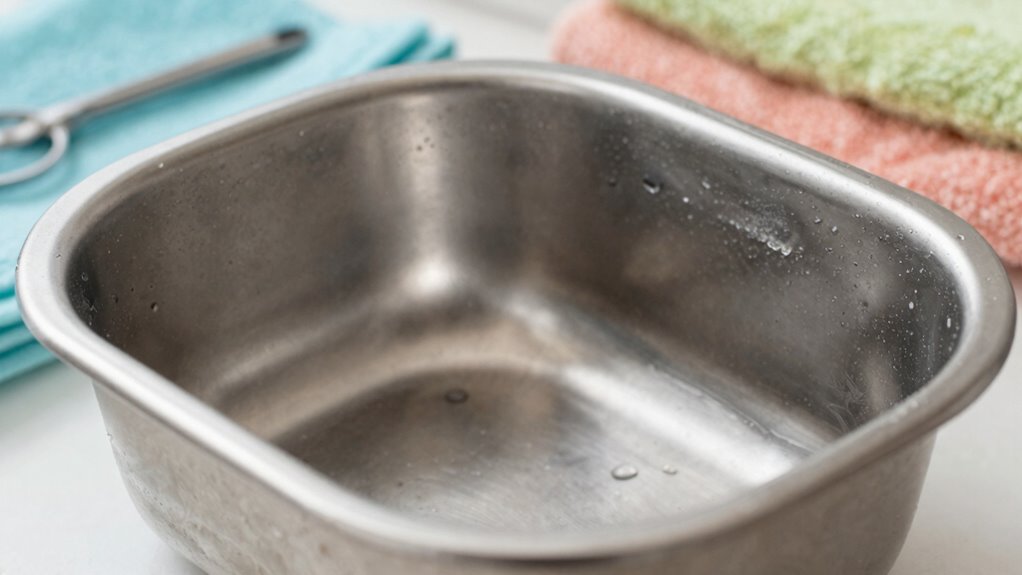
Another important aspect to contemplate is the basin material. Different materials—acrylic, stainless steel, or plastic—react differently to cleaning agents and sterilization methods. Stainless steel basins are highly durable and resistant to many disinfectants, but they can develop scratches over time. These scratches can harbor bacteria if not properly maintained. Acrylic or plastic basins are lightweight and affordable but may be more prone to damage if harsh chemicals are used. Understanding your basin’s material helps you select the appropriate cleaning agents and sterilization techniques, ensuring longevity and effective sanitation. For example, UV sterilizers work well with most materials but may be less effective if the basin surface is scratched or worn, as microorganisms can hide in crevices. Regular maintenance and inspection are key to maintaining optimal sanitation standards. Additionally, selecting the right cleaning agents based on the *material compatibility* can prevent damage and ensure thorough cleaning. Implementing a routine inspection process can help identify issues early before they compromise sanitation.
A thorough cleaning standard should include a multi-step process: initial rinsing, thorough scrubbing with appropriate disinfectants, and final sterilization using UV light or other proven methods. Regularly inspecting your basins for cracks, scratches, or residue build-up will also help maintain a high level of cleanliness. Incorporating proper cleaning procedures and consistent maintenance can greatly reduce the presence of harmful microorganisms. Remember, no single step guarantees safety on its own; combining chemical disinfectants, physical cleaning, and UV sterilization creates a robust barrier against infection. By understanding the importance of basin material and incorporating UV sterilization into your routine, you elevate your sanitation standards, protect your clients, and uphold your professional reputation. Consistent, precise cleaning isn’t just good practice—it’s an essential part of delivering safe, high-quality pedicure services.
UV sterilizer for pedicure basins
As an affiliate, we earn on qualifying purchases.
As an affiliate, we earn on qualifying purchases.
Frequently Asked Questions
How Often Should Pedicure Basins Be Disinfected?
You should disinfect pedicure basins after every use to prevent bacterial growth. When you’re cleaning, focus on the foot soak area and all surfaces that come into contact with clients. Regular disinfection reduces the risk of cross-contamination and keeps your salon safe. It’s essential to thoroughly clean and disinfect the basin, especially around the foot soak, to guarantee no bacteria or germs remain between appointments.
What Cleaning Products Are Safest for Pedicure Basins?
Think of your pedicure basin as a trusted garden pond; you want it to stay pure and safe. Use gentle, chemical-safe cleaners that are surface compatible to protect both your clients and your equipment. Look for products labeled for spa and salon use, free from harsh chemicals. These choices guarantee effective disinfection without compromising safety, helping you maintain a hygienic space where beauty and health flourish hand in hand.
Are There Eco-Friendly Cleaning Alternatives for Basins?
Yes, you can use eco-friendly solutions and sustainable disinfectants to clean pedicure basins. Look for products labeled as biodegradable, non-toxic, and free from harsh chemicals. Vinegar and baking soda are natural options that work well for regular cleaning, while plant-based disinfectants provide effective sanitation without harming the environment. Switching to these alternatives helps protect your clients and the planet, promoting a safer, greener spa environment.
How Can I Prevent Mold Buildup in Pedicure Basins?
To prevent mold buildup in pedicure basins, you should focus on regular basin maintenance and mold prevention strategies. After each use, thoroughly clean and disinfect the basin with an eco-friendly cleaner, paying special attention to corners and drains. Keep the basin dry when not in use, and guarantee proper ventilation in the salon. Consistent maintenance and mold prevention will help keep your pedicure basins clean, safe, and mold-free.
Do Different Basin Materials Require Unique Cleaning Methods?
You might think all basin materials require the same cleaning methods, but that’s not true. Different basin materials, like acrylic, stainless steel, or porcelain, demand unique cleaning compatibility to prevent damage and maintain hygiene. Ignoring these differences can lead to cracks, discoloration, or mold buildup. Always follow manufacturer recommendations for cleaning solutions and techniques tailored to each material, guaranteeing your pedicure basin stays clean, safe, and durable.
Conclusion
Ultimately, a clean pedicure basin isn’t just about hygiene—it’s a symbol of respect for your well-being. When you prioritize higher cleaning standards, you’re choosing to break the cycle of neglect and embrace safety. Like a well-tended garden, a sanitized basin nurtures health and confidence, ensuring every pampering session blooms with trust. Remember, the true beauty of a pedicure lies not just in the polish, but in the care that sustains it.
Halloween Picks
halloween
As an affiliate, we earn on qualifying purchases.