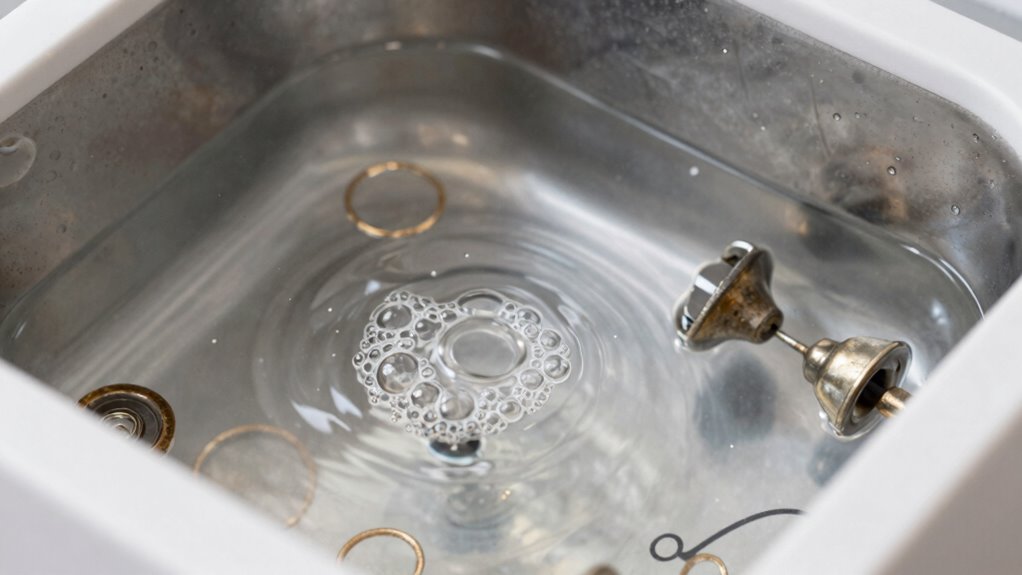

One key fact often overlooked in ultrasonic cleaning is the critical role of matching the right frequency with the cleaning solution chemistry. Many assume ultrasonic energy alone does the job, but the effectiveness depends on selecting the proper frequency to produce the ideal cavitation bubbles and choosing a compatible cleaning solution. When these elements work together, you get better results. Keep exploring to discover how mastering this balance can dramatically improve your cleaning outcomes.

Get beauty and skincare favorites delivered free with Prime
- Fast, free delivery on millions of items
- Prime Video, Amazon Music and more included
- Member-only deals all year
Key Takeaways
- The importance of matching ultrasonic frequency to the item’s material and dirt type is often underestimated.
- Proper solution chemistry and compatibility are critical for effective cleaning, yet frequently overlooked.
- Ultrasonic energy alone isn’t enough; the cleaning solution’s quality and properties significantly influence results.
- Smaller bubbles created by higher frequencies are ideal for delicate objects, a detail often ignored.
- The synergy between ultrasonic parameters and solution chemistry is essential but often neglected in optimizing cleaning.
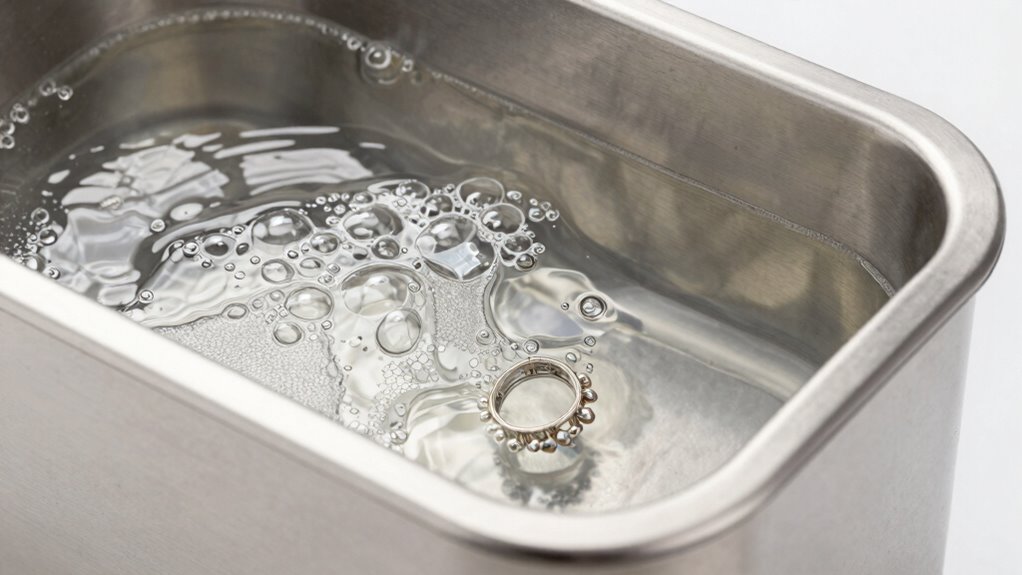
Have you ever wondered how ultrasonic cleaners can remove dirt and grime so effectively? It’s fascinating how these devices use sound waves to lift away even the stubbornest debris. But what many people overlook is the critical role played by the ultrasonic frequency and the cleaning solution in making this process work seamlessly. These two factors are often taken for granted, yet they’re fundamental to achieving a deep, thorough clean.
The ultrasonic frequency is what sets these cleaners apart from traditional scrubbing methods. Typically, ultrasonic cleaners operate within a specific frequency range—usually between 20 to 400 kHz. This range determines the size and intensity of the microscopic cavitation bubbles that form in the cleaning solution. When you turn on the device, these bubbles rapidly expand and collapse, creating tiny shockwaves that dislodge dirt, grease, and grime from surfaces. The key fact many overlook is that selecting the right ultrasonic frequency isn’t just about power; it’s about matching the frequency to the object’s material and the type of dirt involved. Higher frequencies tend to produce smaller cavitation bubbles, ideal for delicate items like jewelry or electronics, while lower frequencies generate larger bubbles capable of tackling tougher grime on heavier objects. This nuanced balance is often ignored, but it’s what makes ultrasonic cleaning so effective across a broad range of applications.
Equally important is the cleaning solution you choose. Many people focus solely on the ultrasonic frequency, but the cleaning solution acts as the medium that amplifies the process. A good cleaning solution reduces surface tension, allowing cavitation bubbles to penetrate crevices and intricate details more effectively. It also contains surfactants or detergents that chemically break down oils, grease, and dirt, making removal easier. The chemistry of the cleaning solution can significantly influence the ultrasonic cleaner’s performance, especially when cleaning delicate or complex objects. Additionally, the compatibility of cleaning solutions with different materials can help prevent damage and ensure optimal results. Yet, this aspect is frequently overlooked because people tend to think that ultrasonic energy alone can do all the work. In reality, the right cleaning solution works hand-in-hand with the ultrasonic frequency, enhancing the cleaning efficiency and ensuring every nook and cranny gets thoroughly cleaned. Understanding how ultrasonic frequency and cleaning solution work together is crucial to optimizing the cleaning process and avoiding subpar results. Additionally, selecting the appropriate cleaning solution chemistry can help prevent damage to sensitive items and improve overall results.
ultrasonic cleaner frequency selector
As an affiliate, we earn on qualifying purchases.
As an affiliate, we earn on qualifying purchases.
Frequently Asked Questions
How Often Should I Replace the Cleaning Solution in My Ultrasonic Cleaner?
You should replace the cleaning solution in your ultrasonic cleaner after about 3 to 6 uses, depending on the cleaning frequency and the solution’s lifespan. Regularly check the solution’s clarity and effectiveness; if it looks dirty or isn’t cleaning well anymore, it’s time for a change. Properly maintaining the solution guarantees peak cleaning performance and prolongs the lifespan of your ultrasonic cleaner.
Can Ultrasonic Cleaners Damage Delicate or Vintage Items?
You might worry that ultrasonic cleaners could harm delicate or vintage items, but with proper care, they’re safe. These cleaners excel at vintage preservation by gently removing dirt without harsh scrubbing. To guarantee delicate material safety, use the correct settings and solutions, avoiding overly aggressive frequencies. When used properly, ultrasonic cleaning preserves the beauty of your vintage treasures without risking damage, making them a trusted tool for careful cleaning.
What Safety Precautions Are Necessary When Using an Ultrasonic Cleaner?
When using an ultrasonic cleaner, you should prioritize safety by wearing gloves and eye protection to prevent chemical exposure and guarantee chemical safety. Always read the manufacturer’s instructions to avoid electrical hazards, such as using the device near water or with damaged cords. Keep the workspace well-ventilated, and never operate the cleaner unattended. These precautions help protect you from potential risks while ensuring effective cleaning.
Are Ultrasonic Cleaners Effective for Cleaning All Types of Jewelry?
Ultrasonic cleaners are incredibly effective, almost like magic, but they don’t work equally well on all jewelry materials. For delicate gems like pearls or porous stones, frequent cleaning can cause damage, so always consider the jewelry material and adjust cleaning frequency accordingly. Some metals, like gold and silver, respond beautifully, but avoid using ultrasonic cleaners on softer or antique pieces to prevent harm. Always research your jewelry first!
How Does Water Quality Impact Ultrasonic Cleaning Effectiveness?
Water quality considerably impacts ultrasonic cleaning. Hard water, high in minerals, reduces contaminant removal efficiency and can leave spots or residues. Using softened or distilled water improves ultrasonic cleaner performance, ensuring better removal of dirt, oils, and other contaminants. Clean water allows the ultrasonic waves to work more effectively, giving you a thorough and streak-free clean. Always pay attention to water quality for ideal ultrasonic cleaning results.
Conclusion
Don’t disregard the dazzling details of ultrasonic cleaners. Explore the depths of their design, dismissing doubts and discovering the true technology behind their triumph. When you understand the unseen, you reveal unparalleled purity and precision, providing pristine results every time. Remember, the real reliability lies in recognizing the overlooked, the understated, and the underestimated. Embrace the essential, explore the extraordinary, and elevate your cleaning game with this underrated, unbeatable ultrasonic secret.
Halloween Picks
halloween
As an affiliate, we earn on qualifying purchases.