
Soft hair may feel smooth and luxurious, but that doesn’t mean it’s healthy. True healthy hair has strength, moisture, and resilience, which protect it from damage and breakage. Chemical treatments can make hair feel silkier temporarily but often weaken the cuticle and cause damage over time. So, if you want hair that’s truly healthy, it’s important to look beyond softness and understand the signs of good hair care practices that support long-term resilience.

Get beauty and skincare favorites delivered free — and shop member deals
- Fast, free delivery on millions of items
- Access to Prime Big Deal Days deals on October 6–7
- Prime Video, Amazon Music and more included
Key Takeaways
- Soft hair may feel silky but can be damaged or weak beneath the surface, unlike healthy hair which is strong and resilient.
- Healthy hair maintains moisture, cuticle integrity, and withstands styling, regardless of its softness or texture.
- Chemical treatments can temporarily soften hair without improving its overall health or strength.
- Coarse or curly hair often feels drier but can still be healthy if properly nourished and maintained.
- Focus on overall condition and resilience rather than just softness or appearance for true hair health.
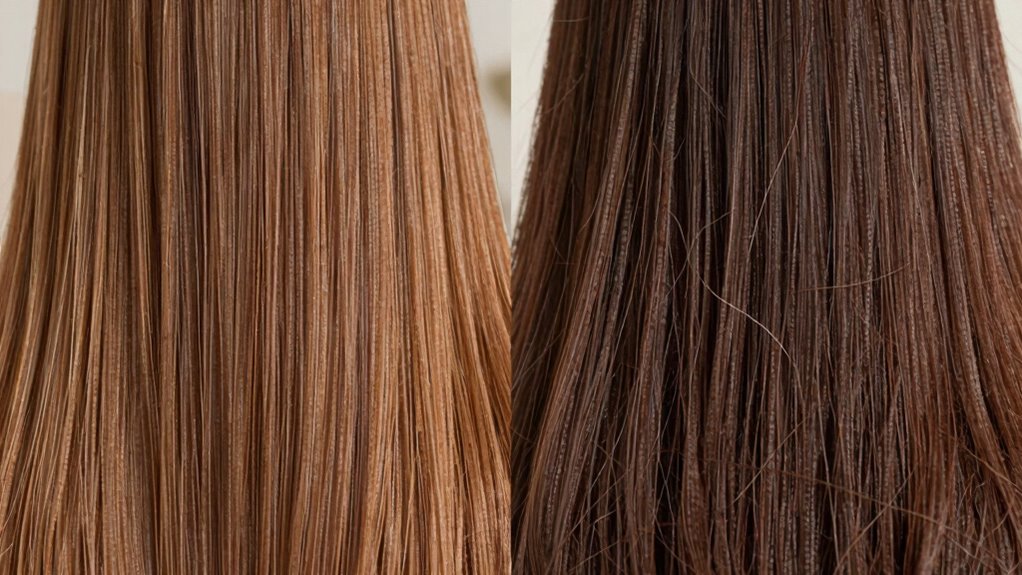
Many people assume that soft hair automatically means healthy hair, but the two are not always the same. Softness often gives the impression of well-being, but it can be misleading. Your hair’s texture, or how coarse or fine it feels, doesn’t necessarily indicate its health. Sometimes, soft hair results from chemical treatments that temporarily alter the outer layer, making it feel silky to the touch. These treatments, like relaxers or keratin smoothing, can give a soft, shiny appearance but may weaken your hair over time. So, you might have hair that feels luxurious but is actually more fragile or damaged beneath the surface.
Healthy hair, on the other hand, is characterized by its strength, moisture balance, and resilience. It’s less prone to breakage and can withstand styling and environmental stressors. Your hair might not feel as soft as you’d like, especially if it’s naturally coarse or thick, but that doesn’t mean it’s unhealthy. Healthy hair maintains its cuticle integrity, retains moisture, and remains vibrant over time. If you notice dryness, brittleness, or frequent split ends, that’s a clearer sign of damage, regardless of how soft or shiny your hair feels. Recognizing your hair’s natural moisture needs and avoiding over-processing can help maintain its health and vitality.
Healthy hair is strong, moisturized, resilient, and free from damage, regardless of softness or shine.
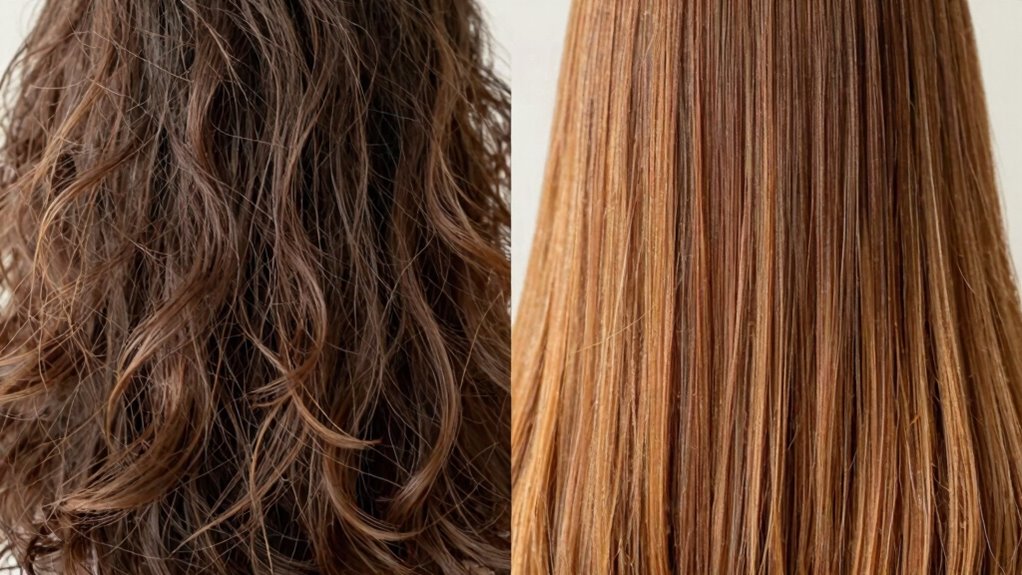
Your hair texture plays a significant role in how you perceive softness and health. Curly or wavy hair tends to feel drier and more coarse because the natural curl pattern makes it harder for oils to spread evenly. This doesn’t mean it’s unhealthy—just that its texture requires different care. Conversely, straight hair often feels smoother and softer, but that doesn’t guarantee it’s free from damage or lacking in moisture. It’s essential to look beyond texture and focus on how your hair responds to styling, washing, and the environment. Understanding your scalp’s oil production can also help tailor your hair care routine for better overall health. Additionally, knowing how chemical treatments impact your hair can help you make informed choices about styling and maintenance.
Chemical treatments can dramatically change the way your hair feels temporarily, but they don’t necessarily improve its health. In many cases, these treatments strip away natural oils or weaken the cuticle, making hair more susceptible to breakage. If your goal is soft hair that’s also healthy, you need to balance styling with nourishing routines. Use deep conditioning, minimize heat exposure, and avoid overusing harsh chemicals. Remember, softness might be easy to achieve with treatments, but true health comes from maintaining a well-balanced, resilient hair structure. Paying attention to your hair’s overall condition can help you identify signs of ongoing damage and prevent further decline. Regularly monitoring your hair’s damage indicators can alert you to issues before they become severe. So, pay attention to how your hair reacts over time, not just how it feels in the moment. By understanding hair health indicators, you can better care for your hair in a way that promotes long-term resilience.
As an affiliate, we earn on qualifying purchases.
Frequently Asked Questions
Can Hair Be Both Soft and Healthy Simultaneously?
Yes, hair can be both soft and healthy at the same time. Achieving this textural balance involves maintaining moisture and nourishment, which enhances shine and smoothness. Proper hair care routines, using hydrating products, and avoiding damage help keep your hair soft, while regular trims and treatments promote overall health. When your hair is healthy, it naturally feels soft and looks shiny, giving you that perfect balance of softness and energy.
How Do Environmental Factors Affect Soft Versus Healthy Hair?
Imagine your hair as a delicate garden, vulnerable to environmental pollution and UV exposure. These factors can strip away moisture and damage the cuticle, leaving your hair dull and brittle. Pollution deposits toxins, while UV rays break down keratin fibers. Both weaken your hair’s structure, making it less soft and healthy. To protect it, shield your strands with hats, use UV protectants, and wash away pollutants regularly.
Is It Possible for Hair to Be Soft but Damaged?
Yes, your hair can be soft but damaged. Chemical damage from treatments like coloring or straightening weakens the hair shaft, making it fragile even if it feels soft. Genetic factors also play a role, as some people naturally have softer hair that might still be damaged internally. So, softness doesn’t always mean healthy; damage can exist beneath the surface, affecting your hair’s overall strength and resilience.
What Hair Treatments Improve Both Softness and Health?
To improve both softness and health, you should try nourishing treatments like deep conditioning, hair masks, or leave-in conditioners that enhance your hair texture. Avoid harsh chemical treatments, as they can damage your hair’s health and make it brittle. Opt for gentle, sulfate-free products, and consider regular trims to prevent split ends. Incorporating a balanced diet and minimizing heat styling also helps maintain soft, healthy hair.
How Does Diet Influence Hair Softness and Health?
Your diet directly impacts hair softness and health. Nutritional deficiencies, like lacking iron, zinc, or biotin, can make your hair brittle and dull. Incorporating nutrient-rich foods or taking dietary supplements can strengthen strands and boost softness. Eating a balanced diet with plenty of fruits, vegetables, and lean proteins guarantees your hair receives essential vitamins and minerals, promoting overall health and a silky, vibrant appearance.
Conclusion
You might think soft hair is always healthy, but that’s not the case. Softness can come from conditioning or styling products, which might hide underlying damage. Healthy hair, on the other hand, feels strong, resilient, and maintains its shine naturally. Don’t be fooled by softness alone—focus on nourishing your scalp and hair with proper care. Remember, you can have soft hair that’s also healthy if you use the right treatments and avoid overdoing styling products.
Halloween Picks
halloween
As an affiliate, we earn on qualifying purchases.