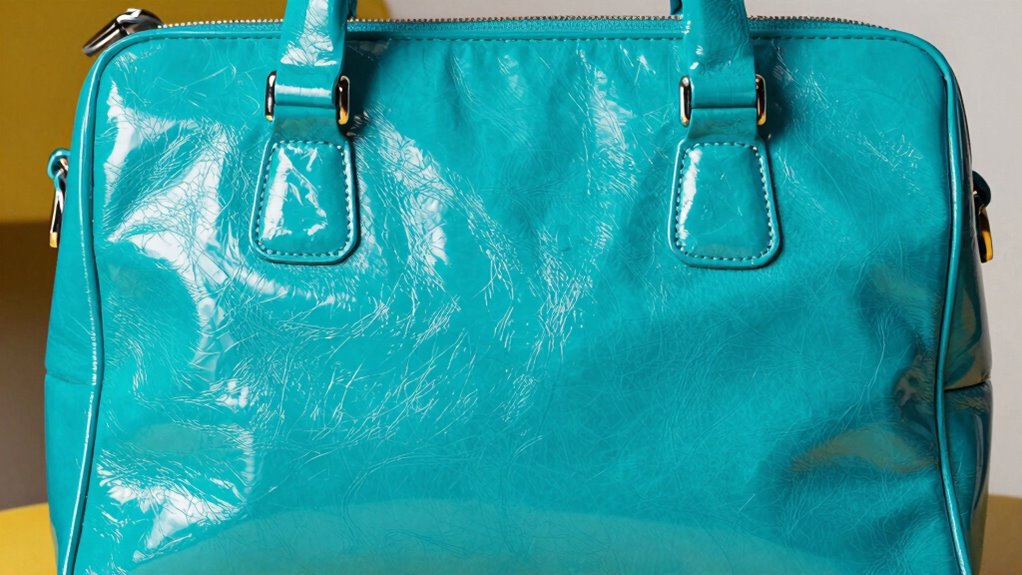

The tone mistake that makes your colors look cheap is choosing the wrong hue, saturation, or brightness that clash or appear overly harsh. If your tones are off, your colors can seem unrefined or artificial, instantly reducing perceived quality. Overly saturated or unbalanced shades can scream low effort or cheapness. To achieve a polished look, you need to pay attention to subtle variations in tone and maintain harmony. Keep exploring how small tweaks can transform your color palette into something truly sophisticated.

Get beauty and skincare favorites delivered free with Prime
- Fast, free delivery on millions of items
- Prime Video, Amazon Music and more included
- Member-only deals all year
Key Takeaways
- Using overly saturated colors can make designs appear garish and cheap.
- Mismatched tones between elements disrupt harmony and reduce perceived quality.
- Neglecting subtle differences in tone can cause colors to look flat or dull.
- Ignoring monochrome balance results in unrefined and unpolished visuals.
- Excessive brightness or contrast in tone can make colors seem cheap and unprofessional.

Choosing the wrong tone can instantly make a color look cheap, even if the shade itself is high-quality. When you’re working with colors, tone is everything—it’s the subtle difference that can elevate or ruin your entire look. One key mistake many make is neglecting the importance of monochrome balance. If you pick a color that’s too saturated or too dull without considering its overall balance, it can come across as cheap or amateurish. The goal is to find a harmony within the color itself, ensuring that the hue, saturation, and brightness work together smoothly. This balance prevents the color from appearing overly loud or flat, both of which can sabotage the perceived quality.
Choosing the right tone and balance elevates colors from cheap to sophisticated.
Controlling saturation is vital here. If your color is overly saturated, it can seem garish or artificial, instantly cheapening the appearance. On the other hand, a desaturated color might look dull or washed out, giving an impression of low effort or poor quality. The trick is to adjust saturation thoughtfully—aim for a tone that enhances the color’s richness but stays within a natural, sophisticated range. Think of it as fine-tuning a picture; too much or too little can distort the message you want to send. Additionally, understanding how monochrome balance influences overall harmony can help you create a more refined palette. Recognizing how these elements interact is essential for achieving a polished and cohesive aesthetic. Paying attention to color harmony can further refine your choices, ensuring all elements work seamlessly together.
You should also pay attention to how the monochrome balance plays into your overall palette. When working with multiple colors, ensure they complement each other in tone and saturation. A mismatched combination can make the entire design look unrefined. To avoid that, focus on selecting colors with similar saturation levels and tonal values, which creates a cohesive and polished look. This consistency is what separates high-end visuals from the cheap ones that scream “off-the-shelf.” In addition, understanding the impact of saturation on perception allows you to make more informed decisions when selecting colors for your projects. Recognizing the importance of color consistency helps maintain a unified aesthetic across your design.
Furthermore, understanding how to manipulate saturation control can save a color from looking cheap, even if it’s a bold choice. For example, if you’re using a bright red, dialing back the saturation slightly can make it feel more elegant, while pushing it to maximum saturation might make it appear less refined. The same applies to other hues—just a subtle adjustment can make your colors look more intentional and premium. It’s also helpful to study color theory principles to better grasp how different tones influence perception. Mastering these concepts ensures that your color choices will resonate with a sophisticated audience.
In essence, the tone you choose—through monochrome balance and saturation control—directly influences how viewers perceive your colors. When you master these elements, your colors won’t just look high-quality; they’ll also convey the sophistication you aim for. Avoiding this common tone mistake ensures your design remains stylish, polished, and free from the cheap look that overly saturated or poorly balanced colors can create.
As an affiliate, we earn on qualifying purchases.
Frequently Asked Questions
How Can I Identify if My Color Choices Are Looking Cheap?
You can spot if your color choices look cheap by paying attention to color psychology and fabric textures. If the colors seem overly bright or mismatched, they might convey a lack of sophistication. Also, cheap-looking fabrics often have harsh or clashing textures that diminish the overall look. Stick to balanced, harmonious colors and quality textures, ensuring your choices reflect thoughtfulness and elegance, avoiding the tone mistake that cheapens your style.
Are Certain Colors More Prone to Appearing Cheap?
Like a vintage typewriter in a sea of smartphones, certain colors can give off a cheap vibe if misused. Bright, overly saturated hues often look less sophisticated, especially without proper texture enhancement. Color psychology shows muted, earthy tones tend to appear more refined, while bold or neon shades may seem cheap if not balanced. Choose colors wisely, considering their impact and how texture can elevate the overall look.
Does Lighting Affect the Perception of Color Quality?
Lighting definitely affects how you perceive color quality. Using the right lighting techniques can enhance the richness and depth of colors, making them look more expensive and sophisticated. Color psychology plays a role here, as warm lighting can create a cozy, inviting feel, while cool lighting emphasizes a modern, sleek vibe. By adjusting your lighting, you can improve how colors appear, preventing them from looking cheap or flat.
Can Accessories or Finishes Improve the Look of Cheap Colors?
Think of accessories and finishes as the jewelry and clothing textures that elevate your outfit. They can transform cheap-looking colors into sophisticated styles by playing with color psychology and material textures. Using rich metals, matte or glossy finishes, and thoughtfully chosen accessories adds depth and luxury. These elements distract from the color’s simplicity, making it appear more intentional, refined, and high-end—turning basic hues into a polished, mesmerizing space.
What Are Quick Tips to Elevate a Color’s Appearance Instantly?
To instantly elevate a color’s appearance, consider color psychology and cultural associations. Choose complementary or neutral accents to enhance its richness, and add high-quality finishes or textures to boost sophistication. Using lighting strategically can also make a color pop and feel more luxurious. Avoid overly trendy shades that can look cheap; instead, opt for timeless hues. These tips help you craft a refined look that feels intentional and stylish.
Conclusion
So, next time you’re tempted to choose that loud, mismatched color combo, remember: it’s not the color’s fault—it’s your tone. Ironically, what’s supposed to make your look pop can actually make it look cheap if you don’t get the tones right. But hey, who needs elegance when you can have a fashion faux pas that screams “I tried”? Just a little tone awareness can save you from turning chic into chic-ly disastrous.
Halloween Picks
halloween
As an affiliate, we earn on qualifying purchases.