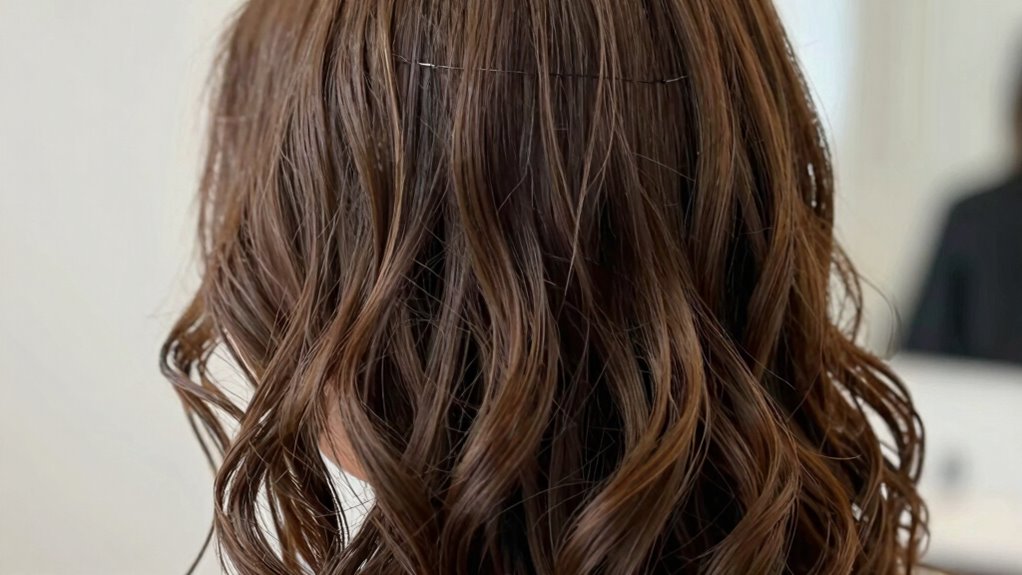

To grow out your hair healthily, aim to trim every 8 to 12 weeks. This schedule helps prevent damage, split ends, and frizz, while promoting longer, stronger growth over time. Regular trims remove damaged ends and keep your hair looking polished and healthy. Keep an eye on how your hair responds and adjust as needed. Staying consistent with trims and care will support your hair-growing journey—if you’re interested, there’s more to discover about optimizing your routine.

Get beauty and skincare favorites delivered free with Prime
- Fast, free delivery on millions of items
- Prime Video, Amazon Music and more included
- Member-only deals all year
Key Takeaways
- Trim every 8 to 12 weeks to maintain healthy ends and prevent damage from splitting.
- Shorter intervals may be needed if hair shows signs of breakage or dullness.
- Longer intervals can be acceptable if hair remains healthy and free of split ends.
- Regular trims support faster, healthier growth by removing damaged ends early.
- Adjust trimming frequency based on hair condition and growth response for optimal results.
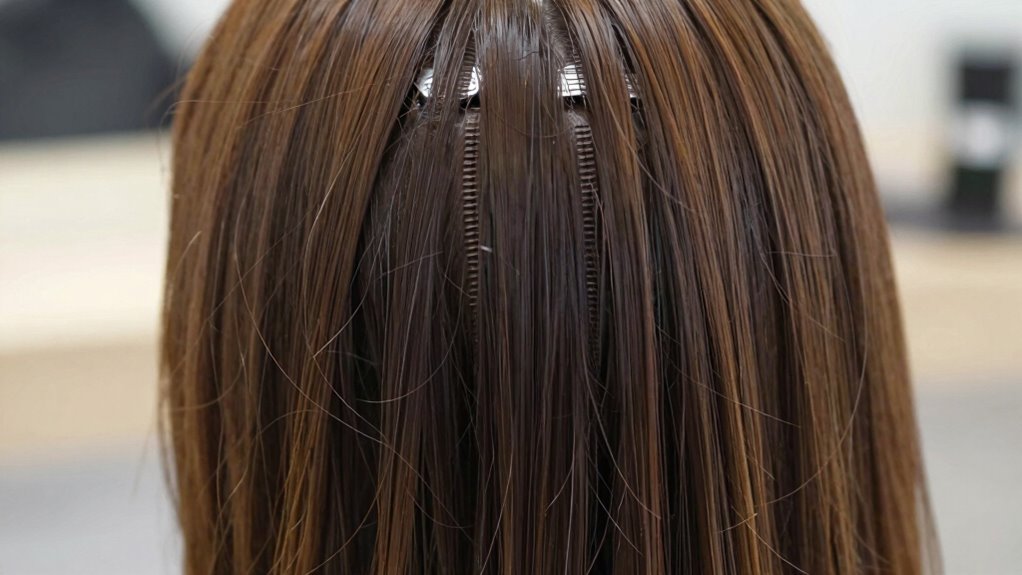
Growing out your hair can be a rewarding process, but knowing when to trim is essential for maintaining healthy length. As you aim for longer, stronger hair, understanding the right timing for trims helps prevent damage from split ends and promotes overall hair health. Many people believe that trimming less often allows hair to grow faster, but in reality, regular trims keep your hair looking healthy and can actually support longer growth over time.
Regular trims support healthy growth and prevent damage, helping you achieve longer, stronger hair over time.
The key is to trim about every 8 to 12 weeks. This interval strikes a balance between removing damaged ends and preserving length. If you notice split ends or frizz creeping in before that, don’t hesitate to schedule a trim. Addressing damage early prevents it from traveling up the hair shaft, which can lead to breakage and uneven growth. Keeping your ends healthy is crucial for maintaining the length you desire, and it also makes styling easier and more versatile. Whether you prefer updos, braids, or loose styles, healthy ends create a smoother, more polished look.
Incorporate simple styling tips to protect your hair during the growing process. Use gentle brushes and avoid excessive heat styling, which can weaken hair strands over time. When you do use heat, always apply a heat protectant to minimize damage. Sleeping on silk or satin pillowcases reduces friction and prevents breakage, helping your hair stay intact while you grow it out. Regular scalp massages stimulate blood flow to hair follicles, encouraging healthier growth. Also, incorporate nourishing hair masks or oils into your routine to keep your strands moisturized and resilient. Additionally, understanding the science behind hair growth can help you optimize your routine for better results. Learning about the hair growth cycle can further inform your care routine and timing. Recognizing the hair growth phases can guide you in the best practices for each stage. Furthermore, understanding how hair health relates to overall wellness can motivate you to maintain a balanced diet and lifestyle, which are essential for optimal growth.
The timing of your trims isn’t just about aesthetics — it’s about supporting your hair’s health. When hair is well-maintained, it’s less prone to damage and breakage, allowing you to reach your desired length faster. Pay attention to how your hair responds; if you notice more breakage or dullness, consider trimming more frequently. Conversely, if your hair remains healthy and free of split ends, you might extend the interval slightly. Remember, patience is key in growing out your hair, but consistent trims and proper styling tips will make the journey smoother and more successful. Ultimately, a balanced approach between trimming and care will help you achieve your goal of long, luscious hair while maintaining its health and *crucial*.
hair trimming scissors for women
As an affiliate, we earn on qualifying purchases.
As an affiliate, we earn on qualifying purchases.
Frequently Asked Questions
How Do I Know When My Hair Is Ready for a Trim?
You’ll know your hair is ready for a trim when you notice your hair length has stalled or become uneven. Check for split ends, which feel rough or look frayed, especially at the tips. If you see multiple split ends or your hair looks dull and damaged, it’s time for a trim. Regular trims help maintain healthy hair, prevent splits from traveling up, and keep your hair looking fresh as it grows.
Does Trimming Hair Regularly Slow Down Growth?
Trimming your hair regularly doesn’t slow down growth; that’s a common hair growth myth. In fact, trimming helps prevent split ends and keeps your hair healthier, which can make it look like it’s growing faster. The key is maintaining a consistent trimming frequency tailored to your hair type. So, don’t worry—trim as needed without fearing it’ll hinder your hair growth journey.
What’s the Best Way to Trim Hair at Home?
To trim your hair at home, start by using sharp scissors and sectioning your hair with hair accessories for precision. Trim small, even sections, focusing on split ends, and avoid cutting too much at once. If you color your hair, wait until the color settles before trimming. Regular trims maintain healthy hair, and using the right tools guarantees you get a clean cut without damaging your style.
How Does Trimming Affect Hair Health and Strength?
Trimming your hair helps improve its health and strength by removing split ends, which can travel up the shaft and cause more damage. As you trim regularly, your hair maintains better elasticity, making it less prone to breakage. This keeps your hair looking fuller and healthier. Plus, trimming encourages growth by preventing damage from spreading, ensuring your hair remains strong, shiny, and resilient over time.
Should I Trim Hair During a Specific Season for Best Results?
You should opt for seasonal hair trimming, especially in spring or fall, for ideal trim timing. Imagine Sarah, who trims her hair at the start of each season and notices her hair stays healthier and less prone to breakage. Seasonal trimming helps remove damage accumulated over time, promoting stronger growth. By aligning your trims with changing seasons, you give your hair the best chance to grow longer and healthier.
Conclusion
Remember, growing out your hair is like tending a delicate garden—patience and timely trims keep the blooms thriving. When you trim wisely, you’re pruning away the dead branches to let the vibrant growth flourish. Trust your hair’s natural rhythm, and don’t be afraid to snip when needed. With each careful cut, you’re sculpting a masterpiece that’s uniquely yours—a flowing waterfall of beauty that’s worth every moment of nurturing.
Halloween Picks
halloween
As an affiliate, we earn on qualifying purchases.