To safeguard client privacy while filming in a salon, make certain you get clear, written consent before filming and explain how footage will be used. Use techniques like blurring faces or focusing on work instead of full faces to maintain anonymity. Train staff on privacy policies and regularly review footage for any identifiable details. Store videos securely with restricted access and utilize privacy settings on online platforms. If you want to know more, you’ll find simple steps to keep client information safe and respectful.
Key Takeaways
- Obtain explicit, written consent from clients before filming, clearly explaining footage use and privacy implications.
- Use anonymization techniques like blurring faces or tattoos to protect client identities.
- Store footage securely with password protection and limit access to authorized staff only.
- Review all videos before sharing to ensure no identifiable information is visible or disclosed.
- Educate staff on privacy policies and establish protocols to handle privacy concerns and maintain compliance.
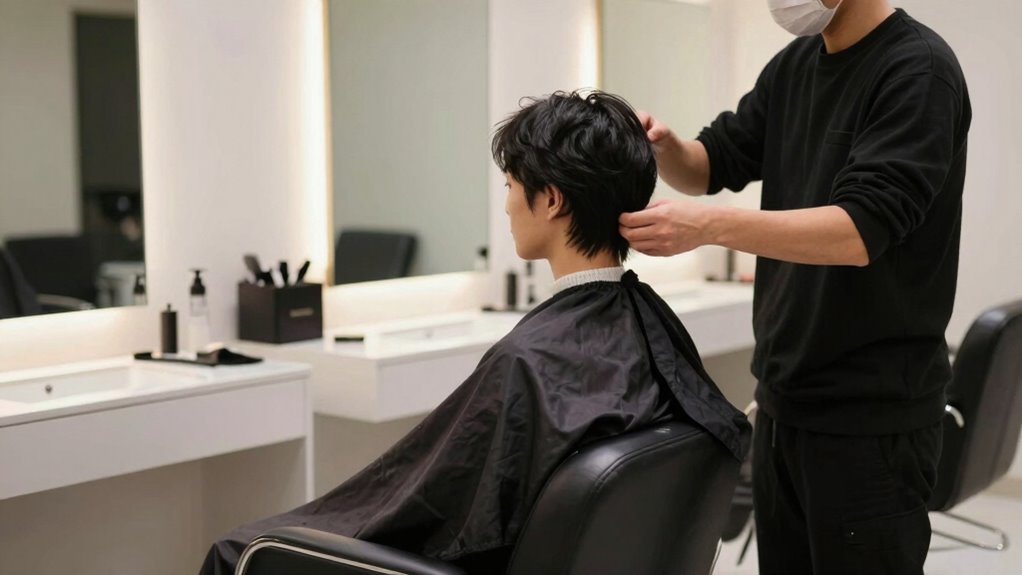
In today’s busy salon environment, protecting your clients’ privacy isn’t just good manners—it’s essential for building trust and ensuring compliance with privacy laws. When you film in your salon, whether for marketing, tutorials, or social media, you need to prioritize your clients’ privacy from the start. The first step is establishing clear consent procedures. Before hitting record, you must obtain explicit permission from your clients. Explain how the footage will be used, where it will be shared, and who might see it. Make sure they understand they can decline without feeling pressured, and document their consent in writing. This not only safeguards their privacy but also shields you from potential legal issues down the line.
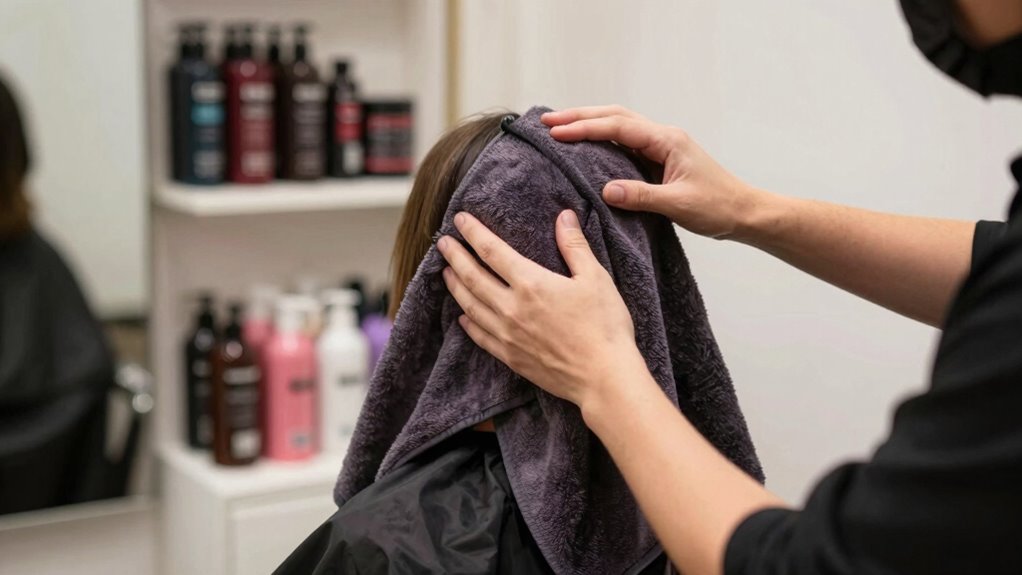
Alongside consent procedures, data anonymization plays a crucial role in protecting client identities. If you plan to showcase a client’s hairstyle or transformation, consider blurring or cropping out identifiable features like faces, tattoos, or distinctive accessories. You don’t need to reveal every detail; focus on the work you’re proud of while maintaining their anonymity. Data anonymization helps you showcase your skills without exposing clients to unnecessary privacy risks. Additionally, avoid sharing any personal information—such as full names, contact details, or sensitive health data—in your videos or captions.
Implementing a privacy-focused filming process also involves training your staff. Make sure everyone understands the importance of respecting client privacy and follows your established procedures. This includes double-checking consent forms, reviewing footage before posting, and being vigilant about removing any identifying information. You should also have a clear policy for handling privacy complaints or concerns, demonstrating your commitment to confidentiality. Incorporating technology and gadgets such as secure storage solutions can further enhance your privacy measures.
Furthermore, keep digital security in mind. Store footage securely, use password protection, and restrict access to authorized personnel only. When sharing videos online, use privacy settings to control who can view your content. Regularly review your privacy policies to stay compliant with evolving regulations and industry best practices.
Frequently Asked Questions
How Can I Inform Clients About Privacy Policies Effectively?
You can inform clients about privacy policies effectively by clearly explaining your privacy notices and obtaining explicit client consent before filming. Use signage in your salon and verbal communication to highlight these policies, ensuring clients understand how their footage will be used. Providing written consent forms helps document their agreement. Being transparent and approachable encourages trust, making clients more comfortable with filming while respecting their privacy.
Are There Legal Requirements for Privacy in Salon Filming?
Yes, there are legal requirements for privacy in salon filming. You must guarantee legal compliance by following consent procedures, which means obtaining explicit permission from clients before filming. You’re responsible for informing clients about how their footage will be used and stored. By adhering to these legal standards and obtaining proper consent, you protect both your clients’ privacy and your salon from potential legal issues.
How Should I Handle Accidental Recordings of Private Moments?
Oh, the thrill of capturing every glittering salon moment—except when you stumble upon an unintended private moment. In such cases, you should immediately pause and handle it with discreet consent management, respecting their privacy. Delete the footage if necessary, and avoid sharing it without explicit permission. Remember, handling private moments with sensitivity not only safeguards your clients but also upholds your salon’s reputation.
What Signage Is Recommended to Indicate Privacy Measures?
You should use clear privacy signage to inform clients about filming and privacy measures. Place these signs prominently at salon entrances, reception areas, and near filming zones to guarantee visibility. Well-placed signage alerts clients to potential recordings, respecting their privacy and complying with regulations. Regularly update and maintain signage so clients remain aware of privacy policies. This proactive approach fosters trust and helps prevent misunderstandings during filming sessions.
How Can I Securely Store and Delete Recorded Footage?
Did you know that 60% of data breaches involve improper data handling? To securely store footage, use encrypted cloud storage with strong access controls. Regularly review and update permissions, and guarantee you delete footage once it’s no longer needed. Always back up important clips securely before deleting, and maintain a record of footage deletion to protect client privacy and comply with data protection regulations.
Conclusion
By respecting your clients’ privacy, you create a trusting environment—like a cozy blanket wrapping around them. Always ask for permission before filming, keep sensitive areas out of view, and use blurred shots when needed. Remember, safeguarding client privacy isn’t just good manners; it’s essential to your salon’s reputation. When you prioritize their comfort, you build loyalty and ensure your space feels safe and welcoming for everyone.