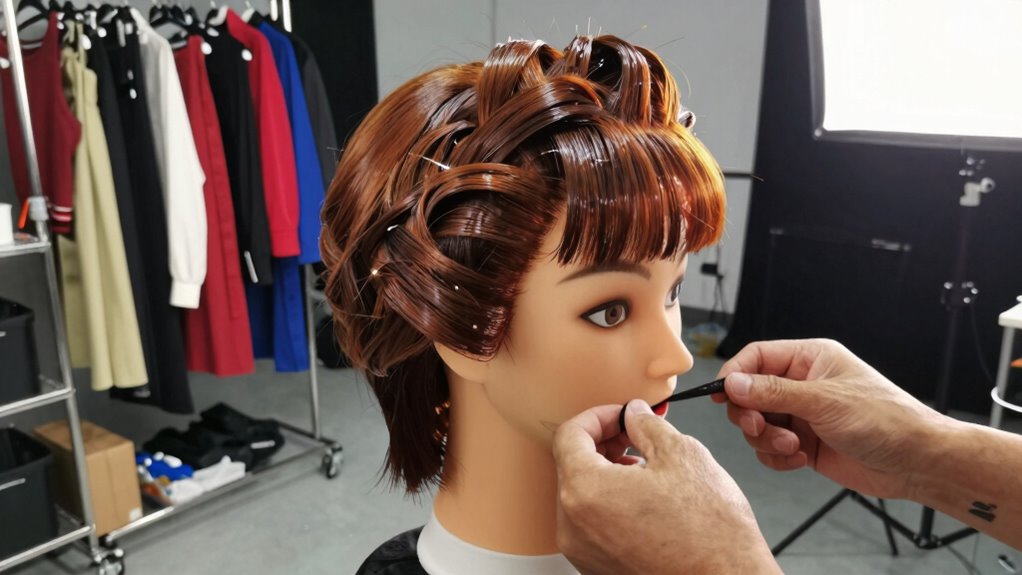
In film and TV, you need a different mindset than a salon because your focus is on consistency, technical precision, and storytelling. Every detail matters—flyaways, partings, and color must match across scenes to keep the look seamless and believable. You’re constantly maintaining, troubleshooting, and adjusting wigs to avoid disruptions. This discipline ensures the character’s appearance supports the story. Keep exploring how these skills are essential for creating authentic, camera-ready hair.

Get beauty and skincare favorites delivered free with Prime
- Fast, free delivery on millions of items
- Prime Video, Amazon Music and more included
- Member-only deals all year
Key Takeaways
- Consistency across multiple scenes is essential, requiring meticulous and repeatable styling techniques unlike transient salon looks.
- Wigs and hairpieces demand specialized care, securing methods, and durability for prolonged use on set.
- Hair must serve the character’s story, demanding attention to detail and evolving styles that align with narrative development.
- Technical precision is crucial to prevent appearance issues, with quick repairs and proactive checks to maintain realism.
- The focus is on efficiency and reliability to support continuous filming schedules, differing from the more flexible approach in salons.
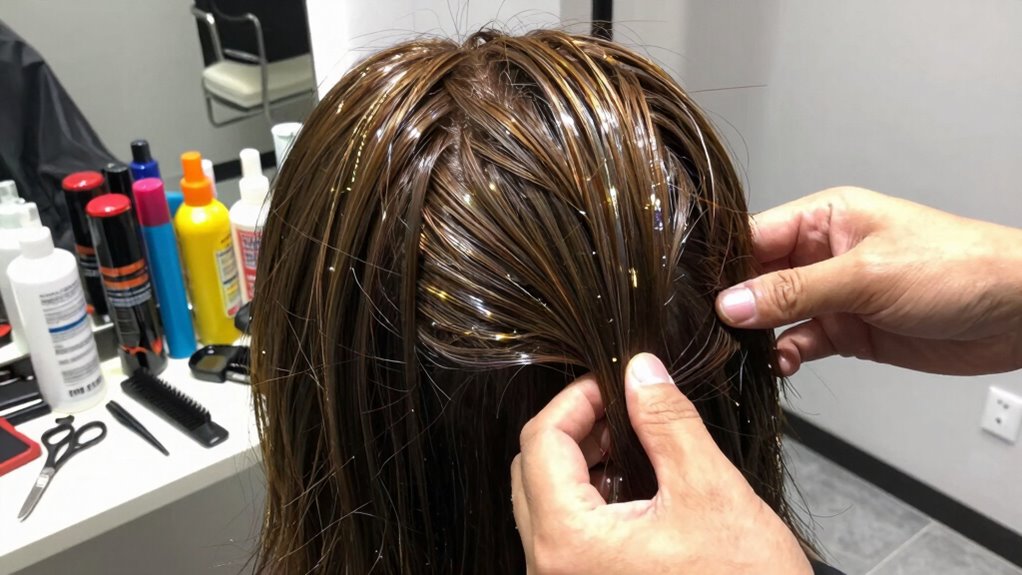
When it comes to creating on-screen characters, the approach to hair styling differs considerably from what you’d typically see in a salon. In film and TV, your focus isn’t just on making hair look good for a single shot; it’s about maintaining consistency and storytelling every time the camera rolls. Unlike salon work, where a haircut or style can be customized to fit a person’s unique features and preferences, on set, every detail must serve the script and character development. Wig maintenance becomes a critical part of your routine because wigs are often used to achieve specific looks quickly and efficiently. You need to ensure they’re in perfect condition—clean, styled, and ready to go—so actors can slip into character seamlessly without distracting the audience with inconsistent or worn-out hairpieces. Proper hairpiece care is essential to extend the lifespan of wigs and maintain their appearance throughout filming schedules.
Script continuity is another key reason why your mindset shifts. You’re not just creating a beautiful hairstyle; you’re supporting a narrative that unfolds scene after scene, day after day. Small differences in hair—like flyaways, partings, or color variations—can pull viewers out of the story and undermine believability. That’s why maintaining consistency in wig styling, whether it’s a short bob or elaborate long hair, is vital. You might have to redo a wig’s style overnight, or even multiple times a day, to match the previous shots exactly. This requires meticulous attention to detail and a disciplined routine for wig maintenance, ensuring each piece looks fresh, natural, and correct for every scene.
Your approach also involves understanding that hair in film and TV isn’t always natural. Many characters wear wigs or hairpieces, so your role extends beyond basic styling. You’re responsible for ensuring these wigs stay intact and look authentic throughout filming. This can mean securing tape, using specialized products, or making quick repairs during breaks. The goal is to keep the look consistent, regardless of how many takes or camera angles are involved. That consistency directly supports the storytelling and helps actors stay in character, not to mention saving production time and money.
In essence, working on film and TV hair means adopting a mindset that prioritizes longevity, repeatability, and storytelling support. It’s less about personal style and more about technical precision. You’re constantly balancing wig maintenance, quick repairs, and script continuity to create a seamless visual narrative. This specialized focus on wig integrity and consistency ensures the production runs smoothly and the story remains believable—a crucial aspect that differentiates it from typical salon work. It also requires a proactive approach to troubleshooting potential issues before they impact filming. That’s what sets film and TV hair apart from typical salon work—it’s a meticulous, disciplined process focused on serving the story, not just aesthetics.
As an affiliate, we earn on qualifying purchases.
Frequently Asked Questions
How Do Film Hair Requirements Differ From Everyday Salon Styling?
Film hair requirements differ because you need to prioritize historical accuracy and cultural sensitivity. You actively consider how hairstyles reflect the character’s background and era, ensuring authenticity on screen. Unlike salon styling, where the focus is on current trends and individual preferences, film work demands consistent, long-lasting looks that support storytelling. You adapt techniques for camera close-ups and lighting, making every detail count for a visually compelling, respectful portrayal.
What Specific Tools Are Essential for Film and TV Hair Work?
Think of your toolkit as a painter’s palette—each tool adding a stroke of realism. For film and TV, you need a wide-tooth comb for historical accuracy, a flat iron for sleek looks, and a curling wand for textured styles. Specialized sprays and gels help with special effects, ensuring hair stays perfect under lights. These tools help craft authentic characters, blending practicality with artistry.
How Is Hair Continuity Maintained Across Scenes and Takes?
You maintain hair continuity by meticulously tracking each character’s hairstyle, guaranteeing historical authenticity and character consistency across scenes and takes. You use detailed notes, photos, and a continuity board to document every change. Regular checks and communication with the hair team help you catch discrepancies early. This disciplined approach ensures that every hairstyle remains true to the character’s story, reinforcing authenticity and seamless storytelling throughout the production.
What Challenges Are Unique to Styling Hair for On-Screen Characters?
Did you know that maintaining character hair continuity across multiple takes and scenes can be challenging, especially with over 80 different shots per episode? You must coordinate on set hair to guarantee consistency, considering factors like lighting, props, and quick changes. The challenge lies in balancing the actor’s comfort, story accuracy, and visual continuity, requiring meticulous planning and on set hair coordination to keep each shot seamless and true to the character.
How Do Budget Constraints Impact Film and TV Hair Styling Decisions?
Budget limitations force you to prioritize resource allocation carefully, often leading to simpler styles or fewer touch-ups. You need to get creative, making the most of available products and tools without sacrificing quality. Cost constraints might mean using fewer wigs or relying on versatile styling techniques. You adapt quickly, ensuring each decision maximizes visual impact while staying within budget, so the characters look great on screen without overspending.
Conclusion
In the world of film and TV, your mindset must be as adaptable as a chameleon on a vibrant canvas. Unlike salon work, where beauty and style are the main focus, production hair demands precision, endurance, and an understanding of how each strand contributes to the story. Embrace this shift, and you’ll find your skills evolving like a fine wine—becoming richer and more nuanced with every project. This mindset transforms your craft into a true art form.
Halloween Picks
halloween
As an affiliate, we earn on qualifying purchases.