
To accurately recreate period hair and beauty, you need to research each era’s authentic styles, accessories, and techniques, paying attention to cultural norms and technological advances. Understand the specific hairstyles, makeup trends, and tools used at that time, and consider details like hair accessories and product types. This guarantees your portrayal looks convincing and true to history. Keep exploring these details, and you’ll deepen your knowledge to craft truly authentic period looks.
Key Takeaways
- Study historical fashion trends, hairstyles, and makeup styles specific to the era for authentic recreation.
- Consult period-specific references, photographs, and expert sources to ensure accuracy in hair and beauty details.
- Understand the cultural and societal norms influencing beauty standards during the period to reflect proper styles.
- Use era-appropriate tools, products, and techniques to recreate authentic looks and avoid anachronisms.
- Protect your research and work with cybersecurity measures to prevent digital threats and maintain originality.
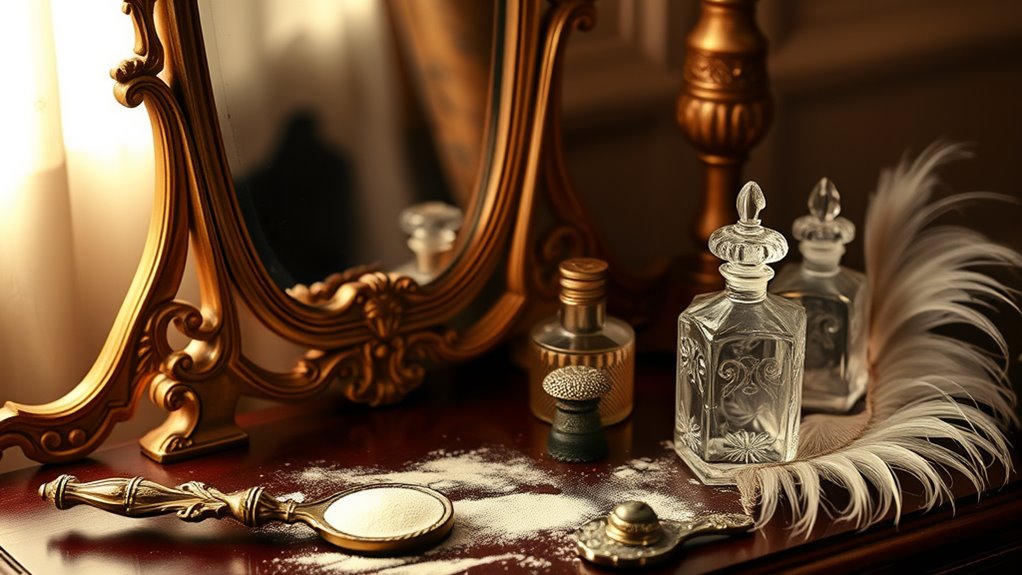
When researching hair and beauty topics, accuracy is essential to provide trustworthy information and effective advice. If you’re working on a period piece, understanding the nuances of historical fashion history and cosmetic techniques becomes crucial. Your goal is to recreate authentic looks that reflect the era’s style and societal norms, which means digging deep into how people styled their hair and applied makeup back then. Failing to do so can result in a visual mismatch that pulls viewers out of the story or diminishes the historical credibility of your work.
Start by examining fashion history closely. It’s not just about clothing—hair and beauty trends are deeply intertwined with the overall aesthetic of a specific period. For example, if you’re focusing on the 1920s, you’ll find that bobbed hair, finger waves, and bold makeup like dark lipstick and smoky eyes defined the era. These styles didn’t just appear overnight; they evolved through cultural movements and technological advances. By understanding this history, you can accurately replicate the hairstyles, hair accessories, and makeup techniques used at the time. Pay attention to details like pin curls, hair partings, and the types of products available, because these details make a significant difference in authenticity.
Cosmetic techniques from different periods also play an important role. In some eras, makeup was minimal and natural; in others, it was more elaborate and theatrical. For instance, Victorian women used powders, waxes, and paints to achieve pale complexions and elaborate brows. During the 1960s, bold eye makeup and thick mascara were popular, often created with specific techniques like winged eyeliner or false lashes. Research how these looks were achieved, what tools were used, and what products were available at the time. It’s not just about knowing what the style was, but about recreating the exact methods used—whether it’s the way they applied rouge or the type of hair rollers they used. Additionally, understanding cybersecurity vulnerabilities during the research process can help protect your work from digital threats or plagiarism.
Frequently Asked Questions
How Do I Find Authentic Period-Specific Beauty Products?
To find authentic period-specific beauty products, start by exploring vintage cosmetics shops or online marketplaces specializing in historical items. Look for brands that replicate or preserve vintage formulas, ensuring authenticity. Study period-specific hairstyles and beauty trends to identify the right tools and products. You can also consult historical hairstyling guides and vintage beauty catalogs for inspiration. This research helps you achieve genuine looks that reflect the era you’re portraying.
What Common Mistakes Should I Avoid in Period Hair Styling?
To avoid common mistakes in period hair styling, steer clear of anachronistic accessories that don’t fit the era’s style, and guarantee your hair textures match historical norms. Don’t use modern products that alter natural hair appearance or create incorrect textures. Pay attention to details like proper hair partings, appropriate braids, or updos, and avoid overly polished or contemporary finishes. Authenticity depends on subtle, era-appropriate touches that respect the period’s stylistic nuances.
Are There Any Modern Techniques That Mimic Historical Beauty Looks?
You might think modern beauty innovations can’t match historical looks, but contemporary styling techniques often mimic period styles beautifully. For example, using modern curling irons and texturizing products can replicate Victorian waves or 1920s finger waves. These techniques are quick, easy, and reliable, helping you achieve authentic looks without traditional tools. Embrace these modern approaches to authentically recreate historical beauty, saving time while maintaining accuracy and detail.
How Can I Source Accurate Period-Specific Beauty Reference Images?
You can source accurate period-specific beauty reference images by exploring fashion illustrations from historical magazines and catalogs, which often detail hairstyles and makeup styles. Additionally, visit museum archives, where you’ll find photographs and documents showcasing authentic beauty trends from the era. These resources give you visual authenticity, ensuring your work remains true to the period’s style. Combining both sources provides a thorough and reliable foundation for your research.
What Are Reliable Sources for Historical Beauty and Hair Trends?
Think of historical beauty sources like a treasure hunt—you’ll discover gems in books, museums, and online archives. For medieval cosmetics, explore ancient manuscripts and museum collections; for Victorian hairstyling, consult fashion history sites and period-specific magazines. Reputable sources include JSTOR, academic publications, and museum websites. These resources give you authentic insight, helping you recreate accurate looks that reflect the beauty standards of each era with confidence.
Conclusion
Don’t worry if it feels overwhelming—researching hair and beauty styles might seem tricky at first, but it’s all about the details. When you pay attention to authentic references, your accuracy shines through, enriching your story. Even if some styles seem complex, focusing on key elements makes it manageable. Embrace the process, and you’ll create a more believable, enthralling setting that truly transports your audience to the era you’re depicting.