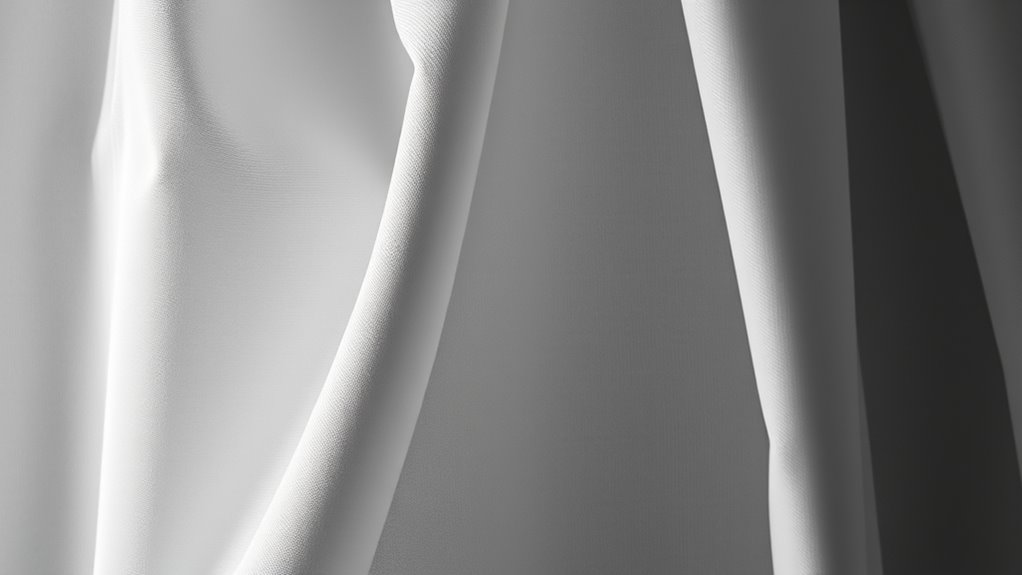

Monochrome dressing adds depth, texture, and interest to your outfits with ease. By mixing fabrics like silk, wool, and leather, you create visual intrigue without overwhelming. Playing with shades within the same color family helps convey mood and personality, while thoughtful accessories and subtle contrasts keep the look fresh. Mastering how to combine these elements elevates your style to polished, sophisticated levels. Keep exploring how to refine this approach for truly striking ensembles.
Key Takeaways
- Mixing diverse fabric textures within a monochrome outfit adds visual depth and prevents flatness.
- Selecting shades within the same color family creates seamless transitions and layered interest.
- Understanding color psychology helps communicate mood and personality through monochrome choices.
- Thoughtful accessorizing and subtle fabric contrasts enhance sophistication and visual intrigue.
- Mastering fabric combinations and color nuances results in polished, expressive, and refined monochrome looks.
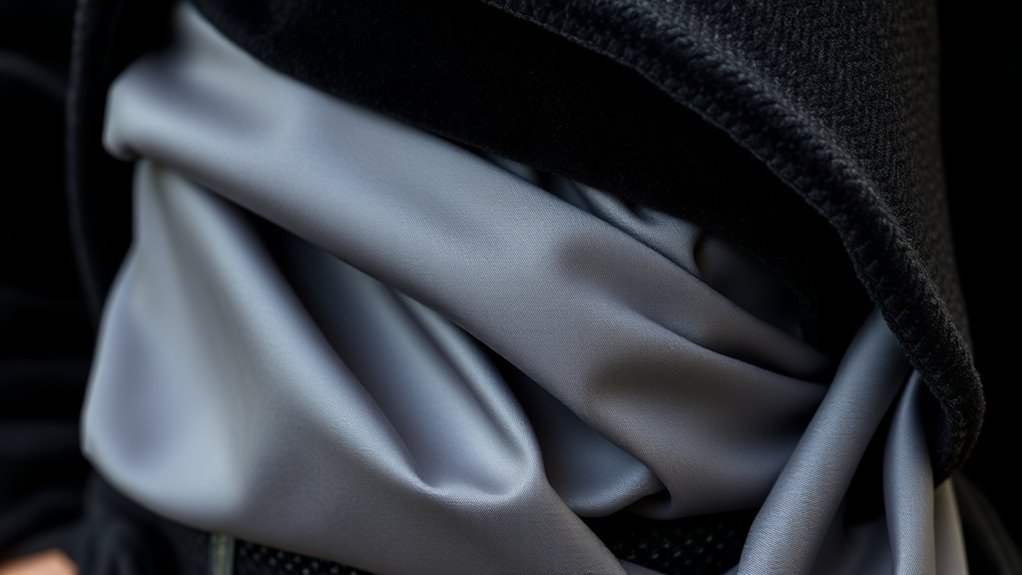
Ever wondered how to create a sleek, sophisticated look effortlessly? Monochrome dressing offers a perfect way to do just that. When you choose to dress in varying shades of a single color, you craft a polished, intentional style that commands attention without overwhelming. The trick lies in understanding fabric combinations and color psychology. By thoughtfully mixing textures and materials, you add depth and interest to your outfit, preventing it from feeling flat or monotonous. Combining smooth silk with textured wool or matte cotton with shiny leather makes your look more dynamic. These fabric contrasts catch the eye and create visual intrigue, allowing your outfit to stand out even while sticking to one color palette.
Monochrome outfits use texture and color psychology to create polished, dynamic, and sophisticated looks.
Color psychology plays a significant role in monochrome dressing. Each hue evokes specific emotions and impressions, so selecting the right shade can influence how you’re perceived. For example, dressing in different shades of blue can project calmness, confidence, and reliability, making it a great choice for professional settings. On the other hand, wearing various tones of red can convey passion, energy, and assertiveness. By understanding how colors influence mood and perception, you can craft outfits that align with your intentions—whether you want to appear approachable, powerful, or creative. Monochrome dressing isn’t just about aesthetics; it’s a strategic way to communicate your personality and mood subtly yet effectively.
To elevate your monochrome look, pay attention to the details. Layering different shades within the same color family creates a seamless transition that’s visually appealing. For instance, pairing a deep navy blazer with a lighter blue shirt and matching trousers adds dimension without breaking the monochrome rule. Accessorizing wisely also enhances the overall effect. A statement bag, jewelry, or shoes in a slightly contrasting shade or with different textures can add just enough interest to keep the outfit from feeling too uniform. Remember, the key is balance—using fabric combinations and color psychology to craft a cohesive but alluring ensemble.
Understanding fabric combinations and how they contribute to visual interest is essential in monochrome dressing. Mastering monochrome dressing involves understanding how different elements work together. When you skillfully combine fabric textures and select colors based on their psychological impact, you create outfits that are both sophisticated and expressive. It’s about making a statement with simplicity—letting the nuances of fabric and hue do the talking. So, next time you want to look polished and put-together, consider monochrome dressing as your go-to strategy for depth, texture, and interest that’s effortlessly chic.
Frequently Asked Questions
How Do I Choose the Right Monochrome Color for My Skin Tone?
To choose the right monochrome color for your skin tone, you should first identify whether you have warm, cool, or neutral undertones. Opt for colors that complement your undertones: warm tones like earthy browns and warm reds work well for warm skin, while cool tones like blues and emeralds suit cool skin. Your goal is to enhance your natural glow through thoughtful color selection, making your look both cohesive and striking.
What Accessories Best Complement Monochrome Outfits?
To elevate your monochrome outfits, opt for statement jewelry and bold belts that add contrast and interest. Choose eye-catching earrings or a chunky necklace to draw attention to your face, and wear a striking belt to define your waist. These accessories work together to break up the sameness, create focal points, and add texture and depth, making your look more dynamic and stylish.
How Can I Add Variety to Monochrome Dressing Without Changing Colors?
You can add variety to your monochrome outfits by using textural contrasts and layering techniques. Mix fabrics like leather, knit, and silk to create visual interest. Layer different pieces, such as a blazer over a sweater or a long coat over a dress, to add depth. Play with varying textures and lengths to keep your look dynamic, even without changing colors. This approach keeps your style fresh and engaging.
Are There Specific Fabrics That Work Better in Monochrome Ensembles?
Think of fabrics as the palette’s brushstrokes, adding richness to your monochrome canvas. You’ll want to choose fabrics for layering like lightweight silks and crisp cottons for breathability and structure. Seasonal fabric choices matter too—wool and tweed bring warmth in winter, while linen and chambray keep you cool in summer. These textures and materials create depth and interest, making your monochrome ensemble visually enthralling and perfectly suited for any season.
How Do I Transition Monochrome Outfits From Day to Night?
To shift monochrome outfits from day to night, you should use layering techniques and fabric textures to add interest. Swap daytime pieces for statement accessories or a sleek blazer, and add a bold lipstick or jewelry for evening. Incorporate different fabric textures—like velvet, silk, or leather—to create depth. These subtle changes make your look versatile, polished, and perfect for any setting, all while keeping the monochrome aesthetic intact.
Conclusion
Embracing monochrome dressing is like painting with a single, bold brushstroke—it adds depth, texture, and interest to your look. By playing with shades, fabrics, and layers, you create a wardrobe that’s effortlessly chic and endlessly intriguing. So, don’t be afraid to plunge into the monochrome world; it’s a canvas waiting for your unique touch. When you master it, your style becomes a mesmerizing story told in a single, powerful hue.