
TL;DR
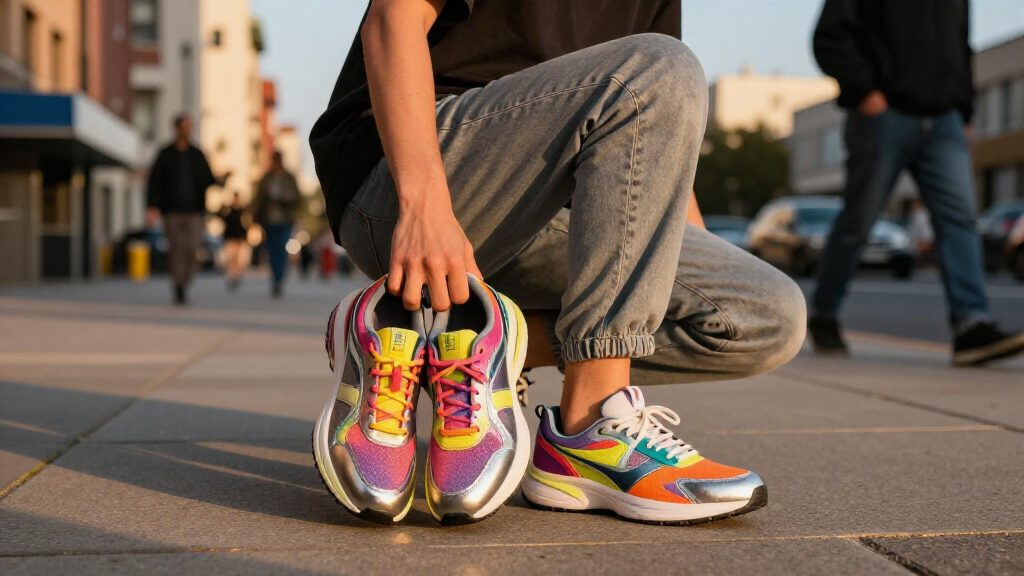
The most anticipated sneakers of 2026 have officially arrived and are selling out within minutes of release. Limited stock and high demand are fueling scarcity, leaving many fans empty-handed. The trend reflects a surge in sneaker hype and supply chain challenges.
The most highly anticipated sneakers of 2026 have just been launched and are disappearing from stores and online within minutes, according to multiple reports. Demand far exceeds supply, and sneaker enthusiasts are struggling to secure pairs, highlighting a persistent trend of scarcity in the high-end sneaker market. This development underscores the growing influence of sneaker culture and the challenges retailers face in meeting consumer appetite for exclusive releases.

Get beauty and skincare favorites delivered free with Prime
- Fast, free delivery on millions of items
- Prime Video, Amazon Music and more included
- Member-only deals all year
Why Limited Sneakers Impact Consumer Culture
This trend highlights the growing influence of sneaker culture as a significant force in fashion and consumer behavior. The rapid sell-outs demonstrate how brands leverage scarcity to create hype, drive resale markets, and enhance brand prestige. For consumers, this means increased frustration and financial pressure as they compete for a handful of exclusive pairs. It also underscores broader supply chain issues affecting the fashion industry, which could influence future product launches and retail strategies.
Products Worth Considering

BowFlex Results Series 552 SelectTech Adjustable Dumbbells (Pair)

Garmin Forerunner 165 GPS Running Smartwatch, 43 mm, Black

LEVOIT Vital 200S-P Smart Air Purifier for Large Rooms
As an affiliate, we earn on qualifying purchases.
Supply Chain and Hype Drive Sneaker Scarcity
The sneaker market has seen a surge in demand over recent years, driven by a blend of streetwear influence, celebrity endorsements, and social media hype. In 2026, this trend has intensified, with brands employing limited releases and digital drops to maintain exclusivity. Industry analysts point to ongoing supply chain disruptions—partly due to global manufacturing delays and logistical challenges—as key factors limiting production. Historically, sneaker brands have used scarcity as a marketing tactic, but recent supply constraints have amplified this effect, making it harder for consumers to access popular models.
Unconfirmed Factors Behind the Rapid Sell-Outs
It remains unclear whether the scarcity is primarily due to intentional marketing strategies or actual supply chain disruptions. While insiders suggest both factors play a role, the exact balance between strategic scarcity and production delays is still unconfirmed. Additionally, the long-term availability of these models on secondary markets and whether brands will increase production remains uncertain.
Upcoming Releases and Market Adjustments
Manufacturers and retailers are expected to respond to the high demand by adjusting release strategies, potentially increasing production or adopting different distribution methods. Future sneaker drops may feature larger stock quantities or new digital release formats to mitigate scalping and frustration. Industry analysts will monitor secondary market pricing and resale activity to gauge the full impact of this scarcity trend.
Key Questions
Why are the sneakers selling out so quickly?
Demand exceeds supply, partly due to limited stock, supply chain issues, and strategic scarcity tactics by brands to boost hype and resale value.
Will the supply of these sneakers increase?
It is not yet confirmed, but brands are reportedly working to address supply constraints, which could lead to larger releases in the future.
How much are resellers charging for these sneakers?
Resale prices vary widely but often reach several times the original retail price, reflecting high demand and scarcity.
Are there any ways to reliably get these sneakers?
Currently, the best chance is to participate in official drops immediately when they occur, but success is not guaranteed due to high competition.
Source: rss