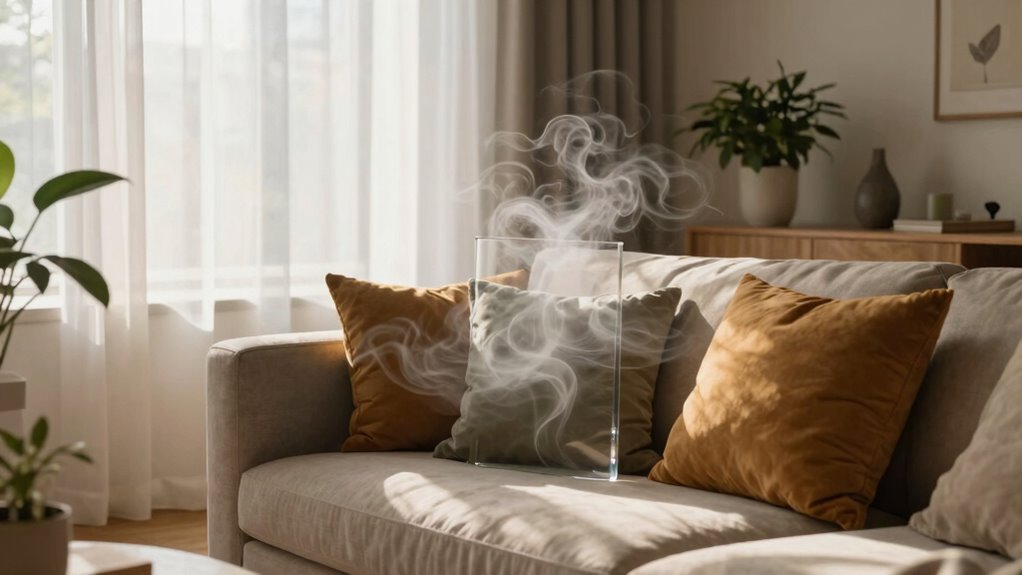
One common mistake that makes your space feel heavy is overloading it with strong, layered scents. When you choose overpowering aromas or combine too many potent fragrances, it can overwhelm the senses and create a cluttered atmosphere. Instead, focus on subtle, balanced scents that promote relaxation and freshness. Carefully curated blends and thoughtful placement of candles can prevent scent overload. Keep exploring for more tips to create a light, inviting ambiance without feeling too heavy.

Get beauty and skincare favorites delivered free with Prime
- Fast, free delivery on millions of items
- Prime Video, Amazon Music and more included
- Member-only deals all year
Key Takeaways
- Overloading a room with strong or overpowering scents creates a heavy, cluttered atmosphere.
- Layering multiple potent fragrances can clash and weigh down the space.
- Placing candles or diffusers in central, crowded locations intensifies scent and heaviness.
- Using too many dense or sweet aromas can make the environment feel suffocating.
- Failing to balance scent intensity results in a cluttered, overwhelming sensory experience.
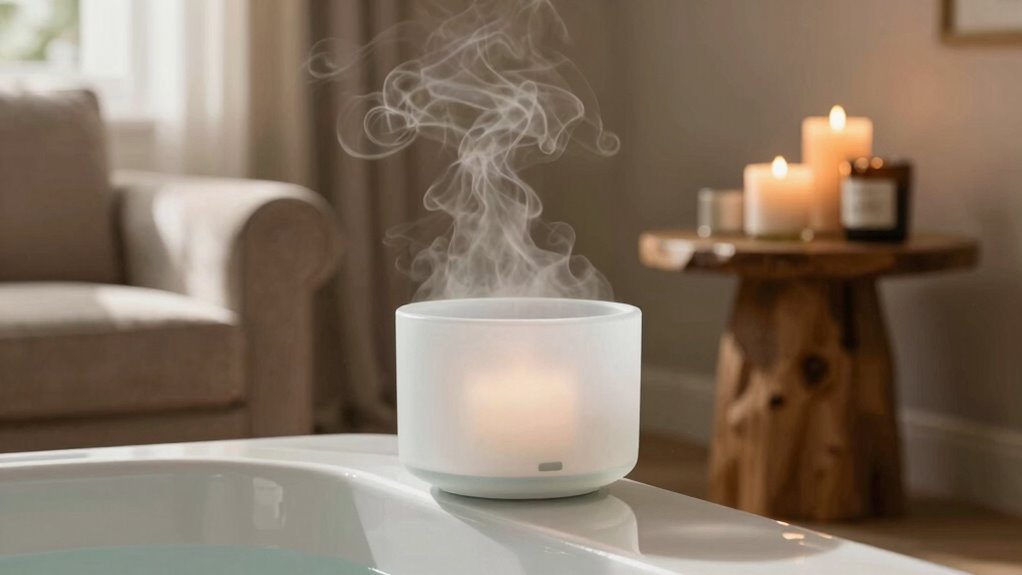
Many homeowners make the mistake of choosing the wrong home fragrance products, thinking that any scent will do. They assume that a strong or sweet aroma automatically improves a space, but in reality, it can make rooms feel heavy and overwhelming. The key is understanding how to use scents effectively, especially when it comes to essential oil blends and candle placement. These tools can transform your space into a calming oasis or a lively gathering spot—if used thoughtfully.
Choosing the right scents and placement creates a balanced, inviting home atmosphere.
Start with essential oil blends. When you select them, think about creating a balanced, harmonious aroma rather than overpowering the senses. Too many strong scents layered together can clash and create a suffocating atmosphere. Instead, opt for subtle, well-curated blends that promote relaxation and freshness. For example, combine lavender with a hint of citrus or eucalyptus. These combinations are light enough to uplift the room without overwhelming it. Remember, the goal isn’t to fill your entire home with scent but to evoke a sense of comfort and serenity. Using too many potent oils or mixing them poorly can result in a space feeling dense and exhausting to be in. Additionally, paying attention to biodiversity in your home environment by incorporating natural elements can enhance your overall sense of well-being. Incorporating natural materials like plants or wood accents can also help create a more balanced and harmonious ambiance. Being mindful of scent layering can further prevent the space from feeling cluttered or overly stimulated. Moreover, understanding the psychological effects of different scents can help you craft a more intentional and mood-boosting atmosphere.
Candle placement plays an equally critical role in home fragrance. Many people put candles in obvious spots, like the center of a table or on the countertop, without considering how their placement affects the overall ambiance. Instead, think strategically about where to position candles to diffuse their scent evenly and prevent hotspots of fragrance that can make a room feel claustrophobic. Placing candles on open surfaces, away from drafts, allows the scent to gently waft through the space, creating a subtle, inviting aroma. Avoid clustering multiple candles in one small area, as this can intensify the scent too much and make the room feel weighted down. Instead, spread a few candles throughout different rooms or corners to maintain a light, airy scent flow.
Ultimately, it’s about moderation and intention. If you overdo it with heavy scents or poorly placed candles, you risk making your space feel oppressive rather than welcoming. Focus on blending light essential oils, and position your candles with care, so the fragrance enhances rather than dominates. When done right, your home will smell fresh and inviting without feeling heavy or cluttered. The goal is a balanced sensory experience that makes your space feel open, relaxing, and truly yours.
subtle lavender citrus essential oil blend for diffuser
As an affiliate, we earn on qualifying purchases.
As an affiliate, we earn on qualifying purchases.
Frequently Asked Questions
Can Certain Scents Cause Allergies or Respiratory Issues?
Yes, certain scents can cause allergies or respiratory issues. If you’re sensitive to specific aromas, they might trigger allergy symptoms or worsen asthma. Scent sensitivities vary from person to person, so it’s essential to choose fragrance mists carefully. Look for products labeled hypoallergenic or free of artificial fragrances to minimize allergy triggers. Always test a small area first to see how your body reacts before diffusing scents throughout your space.
How Often Should I Replace My Home Fragrance Mist?
You should replace your home fragrance mist every 4 to 6 weeks to maintain scent freshness and avoid scent fatigue. To maximize scent longevity and create a balanced atmosphere, consider fragrance layering by combining different scents thoughtfully. Regular replacement prevents the mist from becoming dull or overpowering, ensuring your space stays inviting without feeling heavy. Keep an eye on scent strength and replace the mist when the fragrance starts to fade.
Are Natural or Synthetic Fragrances Better for Indoor Air Quality?
Natural fragrances, like essential oils, are generally better for indoor air quality because they’re free from synthetic chemicals that can cause allergies or respiratory issues. Synthetic fragrances often contain artificial compounds that may irritate your lungs or trigger sensitivities. You should opt for products with natural ingredients whenever possible, as they tend to be healthier for you and create a fresher, more inviting atmosphere without compromising your indoor air quality.
What Are the Signs of Overusing Fragrance Mists?
When you overuse fragrance mists, you might notice scent layering that feels overwhelming or scent intensity that becomes too strong. You could experience headaches, sneezing, or a stuffy nose, indicating the space is overloaded. If the fragrance seems to linger too long or starts to feel heavy, it’s a sign to cut back. Moderation guarantees your space remains inviting without becoming overpowering or uncomfortable.
Do Fragrance Mists Affect Pets Differently Than Humans?
Fragrance mists can affect pets differently than humans because of pet sensitivities and differences in fragrance metabolism. Pets, especially cats and small animals, often have more sensitive respiratory systems, making them more prone to irritation or allergic reactions. Their fragrance metabolism is slower, so the scent lingers longer and can cause discomfort or health issues. Always use fragrance mists sparingly and guarantee proper ventilation to keep your pets safe.
Conclusion
Avoiding the mistake of overusing strong fragrances keeps your space feeling light and inviting—think of it as the gentle whisper of a breeze, not a storm. When you choose subtle scents and use them sparingly, you create an ambiance that welcomes rather than overwhelms. Remember, in the world of home fragrance, less truly is more. So, breathe easy, and let your space breathe with you—after all, harmony is the true essence of a welcoming home.
Fall Picks
fall essentials
As an affiliate, we earn on qualifying purchases.