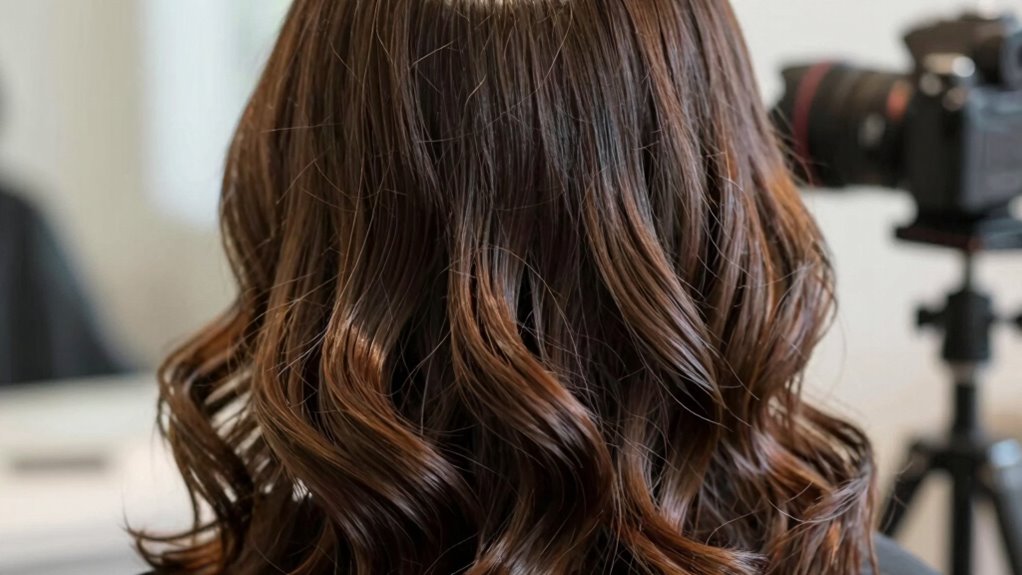
To get great hair photos as a beginner, set your camera to Aperture Priority mode (A or Av) with a wide aperture like f/2.8 or f/4 to highlight strands and soften the background. Keep ISO low (around 100-200) for clarity and use shutter speeds of about 1/125 sec to avoid motion blur. Use soft, natural light and reflectors to enhance shine. If you continue exploring, you’ll find more tips to perfect your shots.

Get beauty and skincare favorites delivered free with Prime
- Fast, free delivery on millions of items
- Prime Video, Amazon Music and more included
- Member-only deals all year
Key Takeaways
- Use Aperture Priority mode (f/2.8 to f/4) to keep hair sharp and background blurred.
- Set ISO low (100-200) to ensure crisp, grain-free images.
- Use diffused lighting like window light or softbox for soft, flattering illumination.
- Maintain shutter speed around 1/125 sec to prevent motion blur during handheld shots.
- Focus precisely on the hair to ensure it stays sharp while background remains softly blurred.
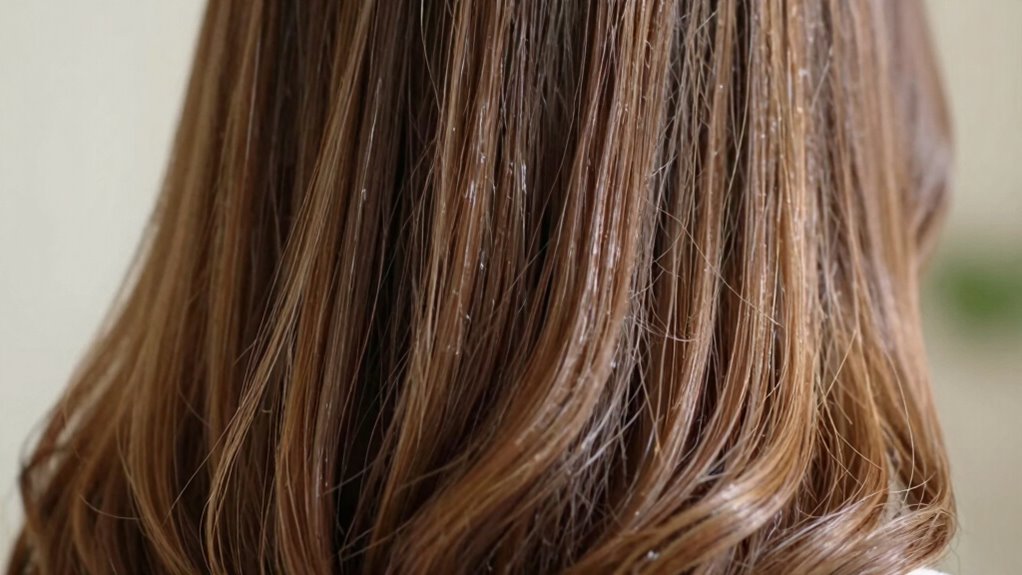
Taking great hair photos requires more than just good lighting and a nice background; it also depends on choosing the right camera settings. When you’re aiming to capture the texture, shine, and color of hair, your camera’s settings can make a significant difference. Start by setting your camera to Aperture Priority mode (often labeled as ‘A’ or ‘Av’). This mode allows you to control the depth of field, which is essential for highlighting hair details while keeping the background softly blurred. A wider aperture (like f/2.8 or f/4) helps focus sharply on the hair, making it pop against a gentle background blur.
Next, pay attention to your ISO. Keep it as low as possible—usually ISO 100 or 200—to prevent graininess and guarantee your photos are crisp and clear. Higher ISO settings can introduce noise, which distracts from the hair’s shine and texture. Adjust your shutter speed accordingly when you’re in changing lighting conditions, but generally, a steady shot at around 1/125 or faster suffices for handheld photos. If you’re using a tripod, you can slow the shutter speed without worries about blur.
Lighting techniques are essential for hair photography. Aim for soft, diffused light, which helps reduce harsh shadows and highlights the hair’s natural gloss. Window light or a softbox works well for this. If you’re outdoors, shooting during the golden hour—shortly after sunrise or before sunset—offers warm, flattering light. Be mindful of direct sunlight, which can create unflattering shadows or cause glare. Reflectors are useful for bouncing light back onto the hair, adding dimension and shine. Additionally, understanding how contrast ratio impacts image quality can help you better manage bright and dark areas in your photos.
When it comes to editing tips, keep your adjustments subtle. Slight tweaks in brightness, contrast, and sharpness enhance the natural beauty of hair without making the photo look overprocessed. Use editing tools to fine-tune highlights, ensuring the hair’s shine isn’t lost or overly exaggerated. Adjust clarity and texture to bring out fine details like individual strands, but avoid over-sharpening, which can introduce noise or halos.
Ultimately, mastering your camera settings and understanding lighting techniques will give you a solid foundation to capture stunning hair photos. Combine these with thoughtful editing tips, and you’ll produce images that highlight hair’s texture, shine, and color beautifully. Practice regularly, experiment with different settings, and observe how light interacts with hair—your skills will improve with each shot.
camera lens for hair photography
As an affiliate, we earn on qualifying purchases.
As an affiliate, we earn on qualifying purchases.
Frequently Asked Questions
What Lens Is Best for Capturing Hair Details?
You should use a macro lens or a short telephoto lens, like a 50mm or 100mm, to capture hair details effectively. These lenses allow you to get close and focus sharply, highlighting individual strands and textures. Combine this with good lighting techniques, such as soft diffused light, and experiment with camera angles to showcase the hair’s volume and shine. This setup helps you achieve crisp, detailed hair photos effortlessly.
How Do I Control Reflections on Shiny Hair?
Did you know that shiny hair reflects up to 70% of light? To control reflections on glossy hair, use a polarizing filter to reduce unwanted glare. Adjust your angle to avoid direct reflections hitting the camera lens, and consider diffusing your light source to soften the shine. These techniques help you achieve a balanced hair gloss, highlighting natural texture without overwhelming reflections, making your hair photos look professional and polished.
Should I Use a Tripod for Hair Photography?
Using a tripod for hair photography is a smart choice because it guarantees tripod stability, giving you sharper images, especially in low light or when using slow shutter speeds. However, if you need handheld flexibility to capture spontaneous shots or dynamic angles, you might prefer going without one. Ultimately, choose based on your shooting style—stability or mobility—to get the best results for your hair photos.
What Background Colors Work Best for Hair Photos?
You should choose background colors that create strong color contrast with the hair to make it pop. Solid, neutral tones like white, black, or gray work well, but vibrant colors can also enhance certain hair shades. Avoid busy textures that distract from the hair; instead, opt for smooth or subtly textured backgrounds. This balance guarantees the hair remains the focal point, highlighting its color, shine, and style effectively.
How Do I Photograph Hair in Different Lighting Conditions?
Think of lighting as the mood behind your subject’s story. To capture hair in different conditions, adjust your camera’s light temperature to match the environment—warm for golden sunsets, cool for overcast days. Manage shadows by using reflectors or diffusers, ensuring they don’t hide details. With these tools, you illuminate your subject’s hair like a spotlight, revealing its texture and shine regardless of the lighting situation.
Conclusion
Mastering the right camera settings can transform your hair photos from ordinary to stunning. Did you know that using proper lighting and focus can increase photo engagement by up to 70%? Keep experimenting with aperture, shutter speed, and ISO to find what works best for your style. With these simple tips, you’ll be capturing head-turning shots in no time. So grab your camera and start snapping—beautiful hair photos are just a few settings away!
Fall Picks
fall essentials
As an affiliate, we earn on qualifying purchases.