
To avoid costly mistakes with pedicure chair plumbing, understand key terms like water flow, drain slope, fittings, and seals. Proper water pressure, secure connections, and correct drain angles are vital for smooth operation and hygiene. Neglecting these can lead to leaks, slow drainage, or damaged jets. Mastering these concepts ensures your setup runs efficiently and safely. Keep learning about these essential plumbing terms to prevent future issues and keep clients satisfied.
Key Takeaways
- Understand the importance of proper drain slope and secure fittings to prevent leaks and water pooling.
- Use appropriate pipe sizes and materials to ensure optimal water flow and prevent clogs.
- Regularly inspect and maintain plumbing components to avoid blockages and costly repairs.
- Properly calibrate water pressure and jet connections to ensure effective performance and prevent damage.
- Familiarize yourself with plumbing terms like “slope,” “fittings,” and “sealing” to troubleshoot issues early.

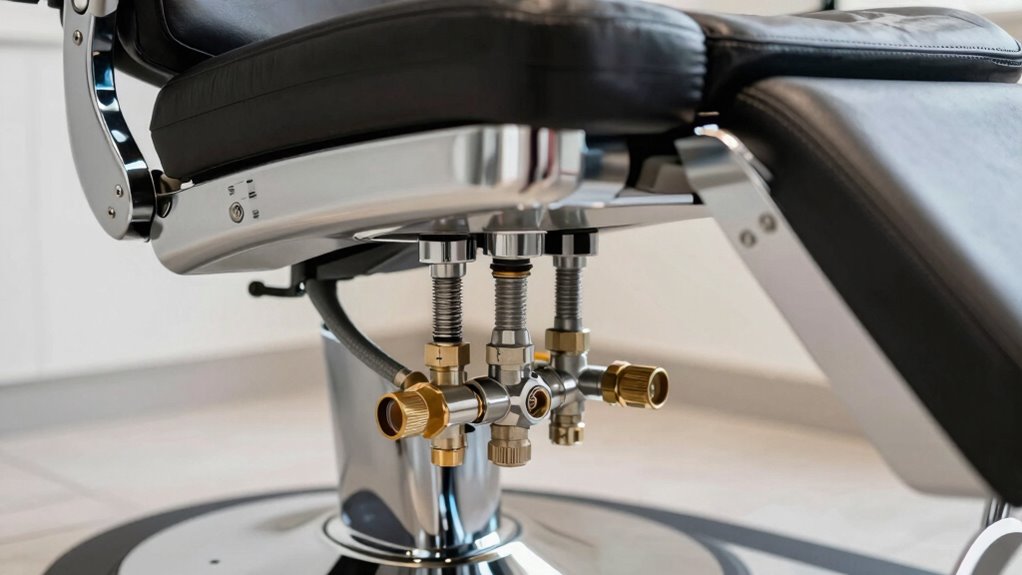
Proper plumbing is essential for ensuring your pedicure chair functions smoothly and stays hygienic. When it comes to maintaining a reliable setup, understanding water flow and drain installation is vital. Water flow refers to how effectively water moves through the system, impacting everything from the chair’s jets to the drainage process. If the water flow isn’t properly calibrated, you might experience issues like weak jets or slow draining, which can compromise the customer experience and lead to costly repairs down the line. Guaranteeing consistent water flow involves selecting the right pipes, connectors, and fittings so water moves freely without obstruction or leaks. Properly maintaining water pressure is also key; too high can cause splashing and damage, while too low results in an ineffective pedicure experience. Ensuring the correct pipe sizing is used helps optimize water flow and prevent potential problems.
Drain installation is another critical element that often trips up even experienced technicians. A properly installed drain prevents water from pooling in the basin or under the chair, which can cause unpleasant odors, mold growth, and damage to the flooring. When installing the drain, you need to consider its placement and slope to guarantee smooth water flow toward the plumbing system. An incorrectly installed drain can lead to backups or slow drainage, creating hygiene issues and potential water damage. It’s important to use high-quality fittings and ensure the drain is securely sealed to prevent leaks. Many technicians overlook the importance of the drain’s design, but choosing a model compatible with your plumbing system and the chair’s basin makes a significant difference in long-term performance. Additionally, inspecting the drain regularly for clogs or wear helps you catch potential problems early, avoiding emergency repairs that can be costly and disruptive to your business.
Understanding the relationship between water flow and drain installation allows you to make smarter decisions during setup or maintenance. For example, if you notice sluggish drainage, it may be related to improper drain slope or a blockage in the pipes. Conversely, if water jets aren’t functioning correctly, it could be due to inadequate water flow caused by narrow or clogged pipes. Maintaining proper water flow and ensuring a correctly installed drain system can save you money by reducing the need for repairs, minimizing downtime, and prolonging the lifespan of your pedicure chair. When you pay close attention to these plumbing terms, you’re better equipped to troubleshoot issues and prevent costly mistakes, keeping your salon running smoothly and your clients happy.
Frequently Asked Questions
How Often Should I Inspect My Pedicure Chair’s Plumbing System?
You should inspect your pedicure chair’s plumbing system at least once a month. Regular checks help maintain ideal water pressure and prevent clogs. Pay close attention to drain maintenance, ensuring there’s no buildup or blockages. Keep an eye out for leaks or unusual noises, which could indicate plumbing issues. Staying proactive with inspections helps avoid costly repairs and keeps your clients comfortable and satisfied.
What Are Common Signs of Plumbing Issues in Pedicure Chairs?
Imagine water pooling unexpectedly or a strange smell wafting up—these are signs of plumbing issues in your pedicure chair. You might notice drain clogs causing slow drainage or leaks seeping from connections. Keep an eye out for water on the floor or unusual noises during operation. Quick leak detection and addressing drain clogs early can prevent costly repairs, ensuring your chair stays in top shape and your clients happy.
Can I Upgrade Plumbing Components Without Replacing the Entire Chair?
Yes, you can upgrade plumbing components without replacing the entire chair. Focus on plumbing upgrades like installing new jet manifolds or replacing worn-out hoses and valves. These component replacements improve performance and prevent costly repairs down the line. Consult a professional to guarantee compatibility with your chair’s existing plumbing system, and always follow manufacturer guidelines to avoid leaks or damage during the upgrade process.
What Safety Precautions Should I Observe During Plumbing Maintenance?
You should prioritize electrical safety by unplugging the chair before starting any maintenance to prevent shocks. Wear appropriate personal protective equipment and handle chemicals carefully, following manufacturer instructions to avoid spills or reactions. Make certain the area is well-ventilated, and avoid working alone in case of emergencies. Always double-check connections and components after maintenance before plugging the chair back in to guarantee safe operation.
How Do I Prevent Clogs and Backups in Pedicure Chair Plumbing?
Think of your pedicure chair’s plumbing as a garden hose; regular drain maintenance keeps it flowing smoothly. Use water filtration to catch hair and debris before they cause clogs. Avoid pouring grease or thick substances down the drain, and encourage clients to remove jewelry or hair ties. These simple steps help prevent backups, ensuring your chair runs like a well-oiled machine and keeps clients happy and comfortable.
Conclusion
Understanding pedicure chair plumbing might seem like just technical jargon, but it’s the key to avoiding costly mistakes. Think of it as the difference between a smooth, relaxing spa experience and a flooded disaster waiting to happen. By mastering these terms, you’re not just preventing leaks—you’re creating a safe, efficient oasis for your clients. Don’t let confusion turn into chaos; stay informed and keep your pedicure space running flawlessly.