When it comes to haircuts for autistic children, it is important to prioritize sensory-friendly techniques and create a calming setting. Opt for short styles for easy upkeep and comfort, or longer cuts for gentle weight and sensory satisfaction. Consider layered, braided, or updo styles based on sensory preferences. Utilize calming strategies like visual schedules and deep pressure to enhance the experience. Seek sensory-friendly salons with trained stylists for a soothing atmosphere. At-home haircuts can also be manageable with the right tools and techniques. Tailor hairstyles to celebrate individuality and empower children. Personalized approaches are key to ensuring a positive haircutting experience.
Key Takeaways
- Create a calm environment with familiar elements.
- Use visual schedules and social stories to reduce anxiety.
- Opt for sensory-friendly tools to cater to sensitivities.
- Employ calming techniques like deep pressure.
- Communication with stylists and parents is crucial.
Understanding Autism and Sensory Challenges
Managing the sensory challenges associated with autism, particularly during haircuts, requires a tailored and empathetic approach. Sensory issues such as heightened sensitivity to touch, sound, and visual stimuli are common among autistic children, making the haircut experience overwhelming. These sensitivities can lead to distress and meltdowns if not addressed with care and understanding.
It's vital to create a soothing environment by dimming lights and minimizing background noise to reduce anxiety levels. Using sensory-friendly tools like soft capes and gentle brushes can also help alleviate discomfort during the haircut process.
Each child's sensory challenges are unique, emphasizing the need for personalized strategies to ensure a more comfortable and positive experience. By acknowledging and accommodating these sensory sensitivities, we can help autistic children feel more at ease and supported during haircuts, fostering a sense of trust and security in the grooming environment.
Haircut Considerations for Autism
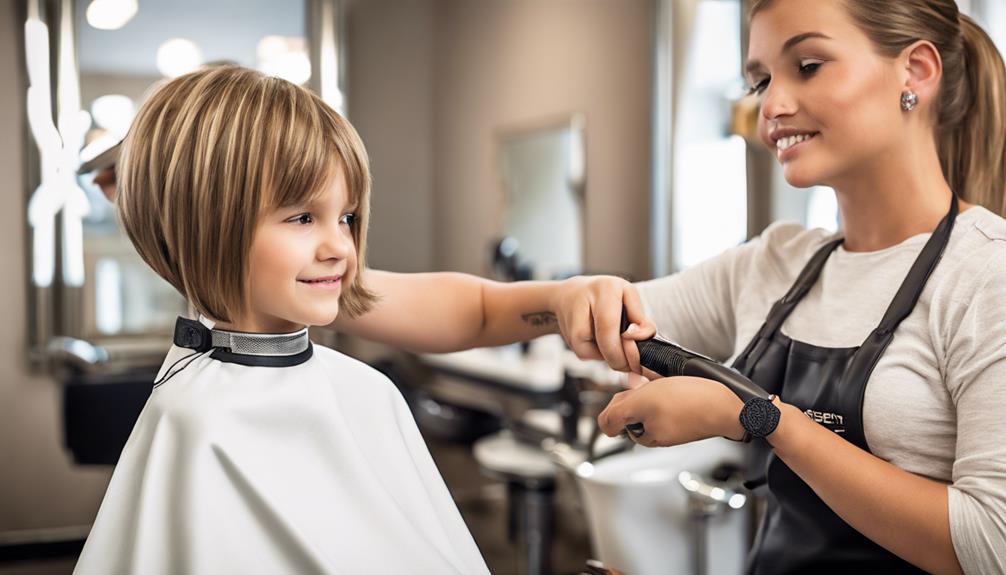
When considering haircuts for autistic children, it's important to implement sensory-friendly techniques, create a calming salon environment, and establish effective communication strategies with stylists.
These approaches can help minimize anxiety and discomfort during the haircutting process, ensuring a more positive experience for children with autism.
Sensory-Friendly Haircut Techniques
Implementing sensory-friendly haircut techniques is crucial for creating a comfortable and supportive environment for autistic children during their haircuts. These techniques aim to reduce anxiety and sensory overload, making the experience more pleasant.
Using tools like wide-toothed combs and adjustable clippers can help minimize discomfort while achieving the desired haircut length. Visual schedules and social stories are valuable in preparing children for the haircut process, reducing uncertainty.
Sensory-friendly salons cater to the unique needs of individuals with autism, offering a calming atmosphere. Dimming lights, utilizing sensory-friendly capes, and providing breaks can further help alleviate distress and enhance the overall comfort during the haircut.
Calming Salon Environment
Creating a calming salon environment for autistic children undergoing haircuts involves utilizing dim lighting and sensory-friendly tools to minimize distress and enhance comfort. When it comes to haircuts, sensory sensitivities to touch, sound, and visual stimuli are important considerations.
By dimming the lights and using specialized capes and tools, we can create a more soothing atmosphere that caters to these sensitivities. Sensory-friendly salons go the extra mile to provide a setting tailored to accommodate these unique needs, offering breaks and quiet spaces for regulation.
These adjustments help regulate sensory input, making the haircut experience more comfortable and enjoyable for autistic children. When designing a salon environment, prioritizing these sensory considerations is key to ensuring a positive and calming experience during haircuts.
Communication Strategies for Stylists
How can stylists effectively utilize communication strategies to enhance the haircut experience for autistic children?
When it comes to haircuts, clear communication is key. Visual schedules and social stories can help navigate the haircut process for children with autism. By consulting with parents beforehand, stylists can gain insights into the child's specific needs, ensuring a more comfortable experience. Open communication between parents and stylists is crucial for success.
Stylists may have techniques to calm fears, distract, and adapt their approach to suit the child with autism. Understanding the child's requirements allows stylists to create a supportive environment tailored to their needs.
Suitable Haircut Styles for Autistic Children
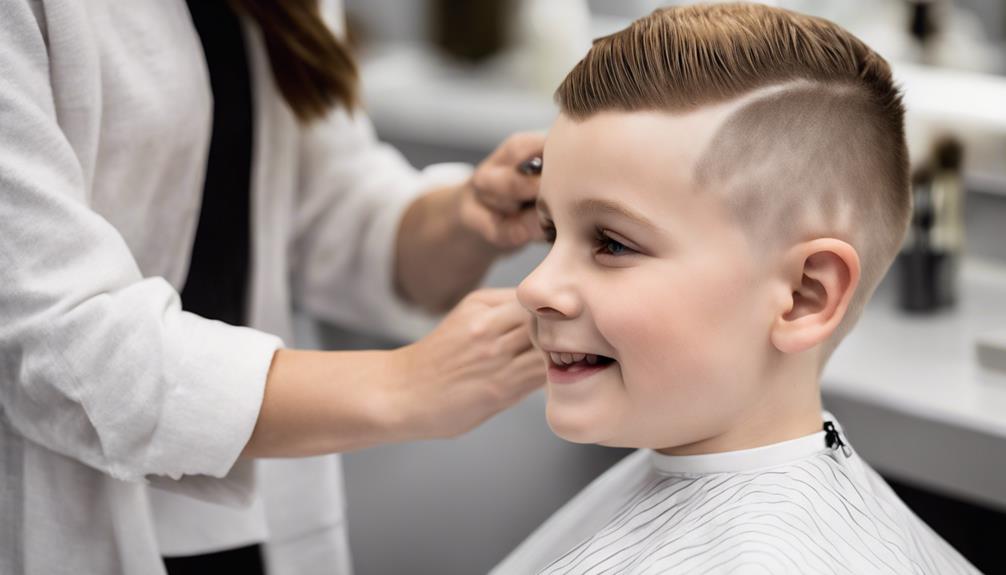
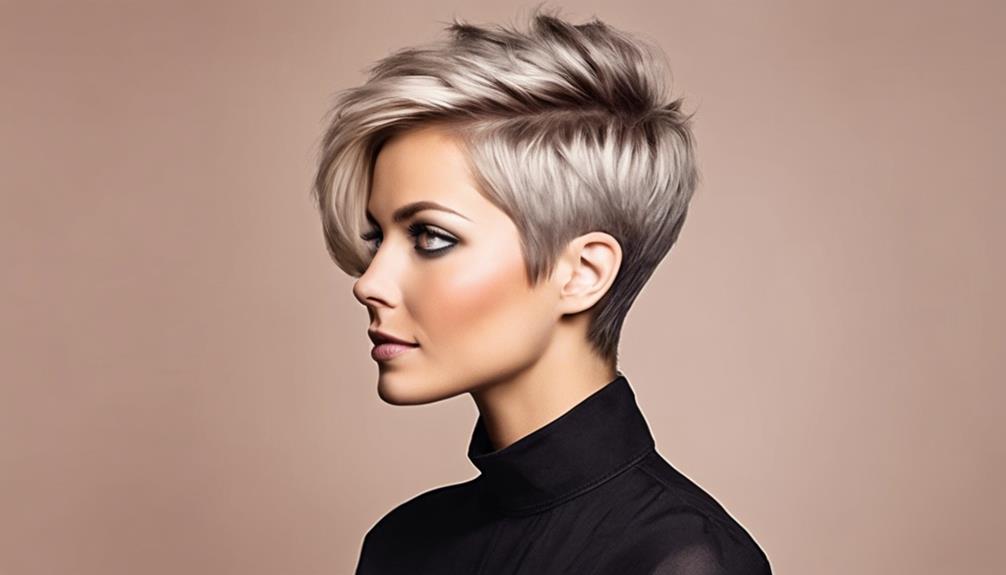
Short haircuts are often favored for their low maintenance and sensory comfort in autistic children. These styles can reduce sensory overload and make hair care routines more manageable.
However, long haircuts can also provide sensory comfort with gentle weight for some autistic children. Layered cuts, braids, and updos are suitable long haircut styles for children who prefer longer hair. These styles can offer a comforting sensation while still maintaining a manageable length.
When choosing a haircut style for an autistic child, it's essential to consider their sensory preferences and comfort levels. Sensory-friendly salons can provide a calming environment for children to get their haircuts, ensuring a positive experience.
Techniques for Gentle Haircuts
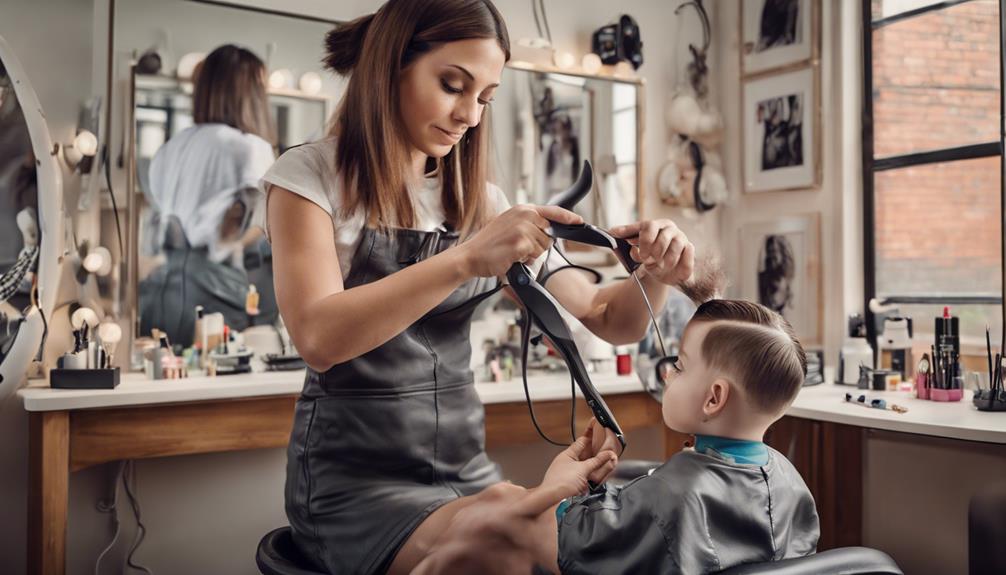
To guarantee a gentle and comfortable haircut experience for autistic children, incorporating specific techniques can greatly support their sensory needs and overall well-being.
When cutting a child's hair at home, creating a calm and familiar environment is vital. Using visual schedules and social stories can help prepare them for the haircut, reducing anxiety. Opting for sensory-friendly tools like wide-toothed combs and hair clippers with attachments can cater to their sensitivities.
Additionally, incorporating calming techniques such as deep pressure or offering preferred activities during the haircut can enhance the overall experience. Communication between parents and stylists is crucial even when cutting the child's hair at home, ensuring that the process is adaptable and comfortable for the child.
Sensory-Friendly Hair Salons
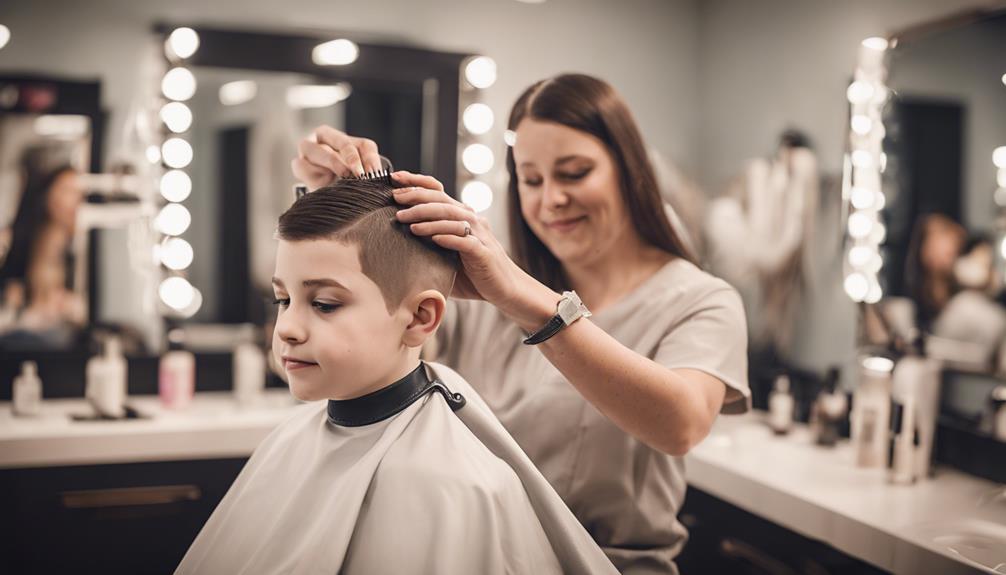
Sensory-friendly hair salons are crucial for ensuring a comfortable experience for autistic children during haircuts. These specialized salons create a soothing atmosphere with sensory-sensitive elements like gentle lighting and minimal noise.
Trained stylists at these establishments use techniques that support children with sensory sensitivities, making the haircut process more manageable for both the child and their caregiver.
Salon Environment Comfort
In creating a soothing atmosphere, hair salons tailored to meet the needs of autistic children focus on minimizing sensory overload through dimmed lights and quiet environments. These sensory-friendly salons aim to provide a comfortable space where children can feel at ease during their haircut experience. By reducing stimuli like loud noises and bright lights, these salons aim to establish a calming environment that caters to the unique sensory sensitivities of autistic children.
Visual supports such as schedules and social stories are often utilized to help alleviate anxiety and uncertainty. This thoughtful approach helps guarantee that the salon environment is conducive to a positive and stress-free haircut experience, offering a welcoming alternative to potentially overwhelming experiences of cutting a child's hair at home.
Haircut Techniques Support
Stylists at sensory-friendly hair salons skillfully employ gentle techniques and specialized tools to guarantee a comfortable and accommodating experience for autistic children during haircuts. These professionals understand the importance of creating a calming environment to reduce sensory overload and anxiety.
By using dim lighting, quiet spaces, and gentle approaches, they make sure that each child feels at ease throughout the haircutting process. Additionally, sensory-friendly tools like wide-toothed combs and gentle shampoos are chosen to enhance comfort and minimize distress.
To further support the child, parents can learn these techniques and products to apply when caring for the child's hair at home. This continuity of care helps maintain a positive experience beyond the salon visit, promoting a sense of familiarity and security for the child.
Tips for Home Haircuts
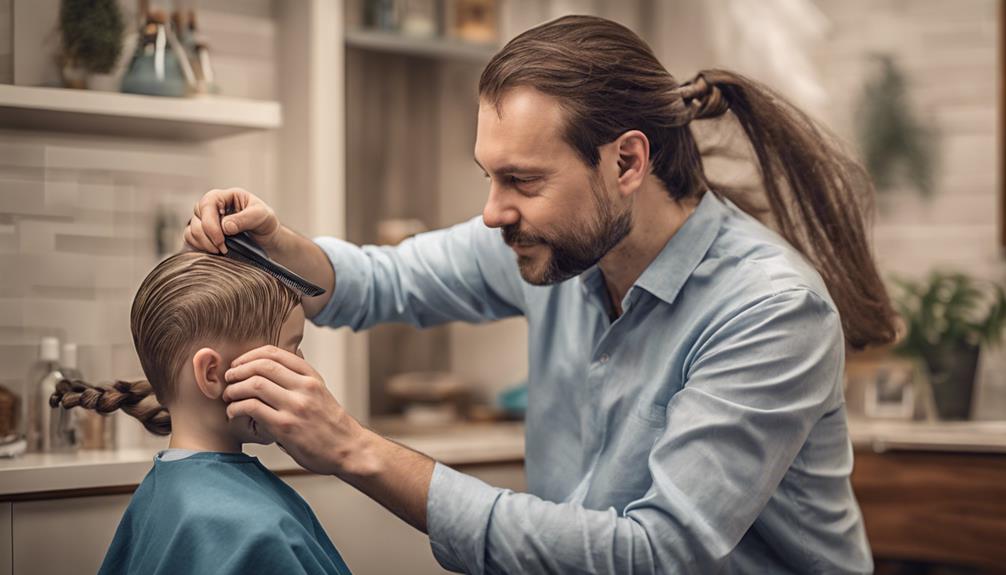
Invest in a quality haircutting kit with clippers, guards, combs, and scissors to guarantee precise cuts for home haircuts for autistic children. When cutting your child's hair at home, creating a comfortable environment is crucial. Use a towel, bedsheet, or shower curtain as a cape to minimize sensory discomfort during the haircut. Make sure the cape covers the child fully for maximum comfort. Opting for a shower curtain can provide a calming experience as it covers the entire body. Look for kits that include clips to secure the cape and hold the hair in place for efficient cutting. Below is a table summarizing these tips for easy reference:
| Tip | Description |
|---|---|
| Quality haircutting kit | Make sure you have clippers, guards, combs, and scissors for precise cuts. |
| Comfortable cape | Use a towel, bedsheet, or shower curtain to minimize sensory discomfort. |
| Secure clips for efficient cutting | Kits with clips help secure the cape and hold hair in place for cutting. |
Hair Styling Options
When exploring hair styling options for autistic children, it's important to take into account styles that cater to their unique needs and preferences. Simple hairstyles like ponytails and braids are excellent choices for daily maintenance of a child's hair. These styles are manageable and can help prevent sensory overload.
For those looking to add a touch of creativity, colorful highlights and braided updos can provide a way for self-expression through a child's hair. Accessorizing with soft headbands and gentle hair ties can offer additional sensory comfort, making the styling process more enjoyable.
Celebrating a child's unique personality through their hair styling choices not only boosts self-esteem but also fosters a sense of individuality. Remember, selecting haircut styles that consider sensory sensitivities is paramount for ensuring a positive experience for the child.
Embracing Individuality Through Haircuts
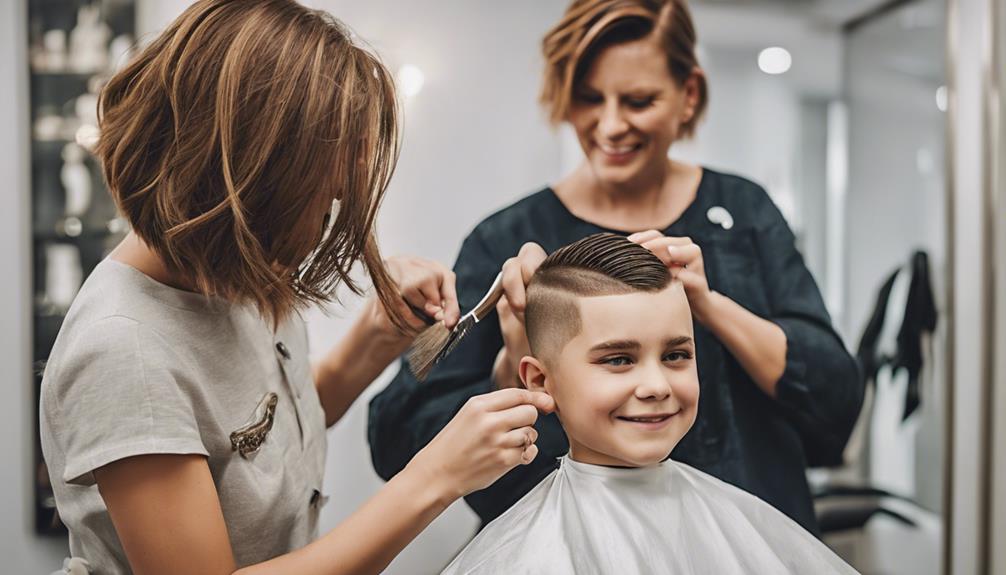
Embracing individuality through haircuts involves tailoring styles to suit sensory sensitivities and reflect the child's unique personality. When selecting haircut styles for autistic children, it's crucial to take into account their sensory sensitivities to guarantee comfort and ease during the haircut experience.
Short haircuts can be preferred for easy maintenance, while longer styles may offer a means of self-expression and sensory comfort. By celebrating individuality through haircuts, we can create a positive and empowering experience for children with autism. Choosing unique hairstyles that resonate with the child's personality not only enhances their self-esteem but also allows them to express themselves authentically.
Visual schedules and social stories can help guide children through the haircut process, making it more predictable and less overwhelming. Ultimately, embracing individuality through haircuts empowers children to feel confident and comfortable in their own skin, fostering a sense of pride in their unique identity.
Encouraging Self-Expression With Hair
Shifting from highlighting individuality through haircuts, let's now explore how fostering self-expression with hair can empower autistic children to showcase their unique personalities. Hair cuts offer a creative canvas for self-expression, allowing autistic children to demonstrate their individuality in a way that feels comfortable and empowering. By customizing hairstyles to incorporate favorite colors, styles, or accessories, children can feel more confident and at ease in social settings. Sensory-friendly haircuts tailored to accommodate sensitivities and preferences create a positive experience, encouraging self-advocacy in styling decisions.
| Benefits of Encouraging Self-Expression with Hair |
|---|
| Allows showcasing unique personalities |
| Enhances comfort and confidence in social settings |
| Promotes self-advocacy and assertiveness |
Empowering autistic children through hair cuts not only fosters creativity and self-expression but also helps in building a sense of identity and confidence. By incorporating personal preferences into hairstyles, children can confidently display their uniqueness to the world.
Frequently Asked Questions
How Do You Calm an Autistic Child During a Haircut?
We calm autistic children during haircuts by using visual schedules, sensory-friendly tools like earplugs or music, and weighted items for calming sensory input. We turn hair washing into a fun activity and offer rewards for positive experiences.
What Haircuts Are Good for Kids With Sensory Issues?
We find that short haircuts are often preferred for kids with sensory issues as they're low maintenance and provide comfort. Long haircuts can work too, offering gentle weight. Layered cuts, braids, and updos cater well to sensory sensitivities.
Do Autistic Kids Have a Hard Time With Haircuts?
Yes, autistic kids often find haircuts challenging due to sensory sensitivities and difficulty with changes. Sensory issues like touch, sound, and visuals can be overwhelming, triggering anxiety and meltdowns. Understanding and accommodating their needs can help improve their experience.
Will My 7 Year Old Autistic Child Ever Talk?
We can't predict the future with certainty, but with appropriate interventions like speech therapy and AAC devices, many nonverbal autistic children can develop speech and communication skills. Each child's journey is unique.
Are Gentle Haircuts a Good Option for Kids Who Cut Their Own Hair?
When it comes to dealing with tips for child’s haircut disasters, gentle haircuts are often a good option for kids who cut their own hair. These types of haircuts allow for easy maintenance and make it less likely for kids to take matters into their own hands again.
Conclusion
To sum up, it's important to take into account gentle haircuts for autistic children to significantly enhance their overall haircut experience.
Did you know that 1 in 54 children in the United States are diagnosed with autism? By recognizing their unique sensory challenges and employing suitable techniques, we can establish a positive and comforting atmosphere for children with autism during haircuts.
Keep in mind to take into consideration their individual needs and preferences to assist them in expressing themselves through their hairstyle choices.