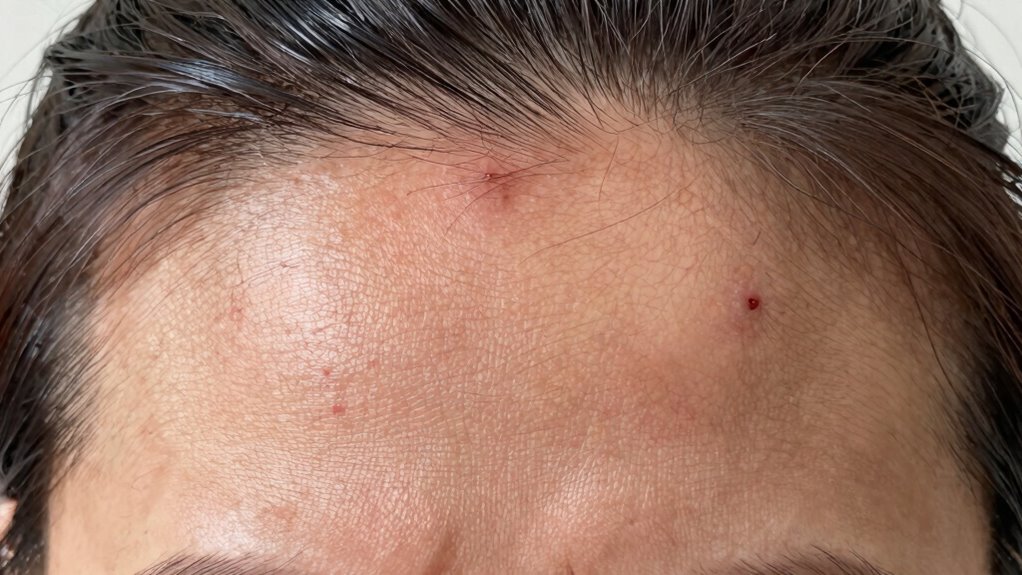

A tight, uncomfortable scalp may secretly stem from poor nutrition, dehydration, or inflammation that weakens hair follicles. Stress and bad posture can cause muscle tension, making your scalp feel even tighter. Tight hairstyles and harsh products irritate skin and restrict blood flow, worsening discomfort. Paying attention to these hidden factors and managing stress can ease tension. Keep exploring to uncover more ways you might relieve your scalp’s hidden causes and find lasting comfort.

Get beauty and skincare favorites delivered free with Prime
- Fast, free delivery on millions of items
- Prime Video, Amazon Music and more included
- Member-only deals all year
Key Takeaways
- Poor nutrition and dehydration weaken hair follicles, leading to scalp tightness and discomfort.
- Inflammation from scalp infections or harsh products causes tightness and irritation.
- Stress and poor posture increase muscle tension, contributing to a feeling of scalp tightness.
- Tight hairstyles and hats exert constant pressure, restricting blood flow and causing discomfort.
- Nutritional deficiencies and scalp inflammation impair follicle health, resulting in scalp tightness.
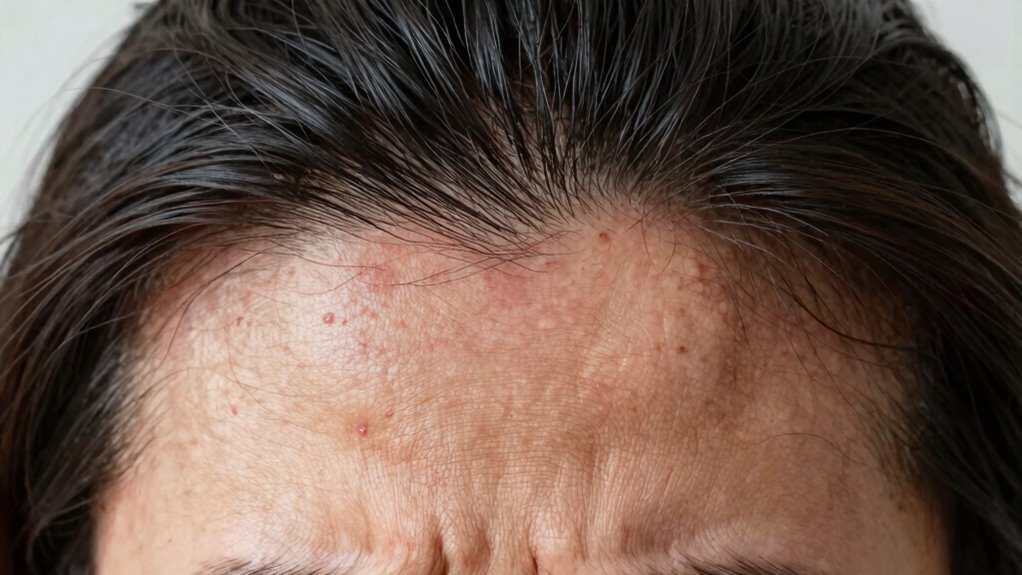
A tight, uncomfortable scalp can catch you off guard, leaving you wondering what’s behind the sensation. It’s more than just a minor discomfort—it can interfere with your day and make you feel constantly aware of your scalp. Often, this sensation is linked to issues with hair follicle health and scalp tension triggers that you might not even realize are affecting you. When your hair follicles aren’t healthy, they can become inflamed or irritated, causing a feeling of tightness. Factors like poor nutrition, dehydration, or scalp infections can weaken hair follicle health, making your scalp more prone to tension and discomfort.
A healthy scalp prevents discomfort by reducing inflammation and irritation that cause tightness.
Scalp tension triggers are different for everyone but tend to include stress, tight hairstyles, or even certain hair treatments. When you’re under stress, your body releases hormones that can cause your muscles, including those in your scalp, to tense up. This unnatural muscle contraction can lead to that unmistakable feeling of tightness. Similarly, wearing tight ponytails, braids, or hats can put continuous pressure on your scalp, leading to localized tension that persists long after you remove the accessory. Frequent use of harsh hair products, such as gels, dyes, or strong shampoos, can also irritate your scalp and contribute to tension by stripping away natural oils, making your scalp more sensitive and prone to tightness.
You might also notice that your scalp feels tight after a long day of stress or intense focus. Stress doesn’t just affect your mind—it influences your body’s physical state, including muscle tension. When you’re stressed, your body tends to tighten up, and that tension can transfer to your scalp. This is often compounded by poor posture, such as slouching at your desk, which can restrict blood flow and increase muscle tightness around your neck and scalp area. Reduced blood circulation can hinder the delivery of essential nutrients to your hair follicles, impacting their health and potentially intensifying feelings of tightness. Additionally, maintaining a balanced diet rich in nutrients vital for scalp health can help support your scalp’s resilience against tension and discomfort. Incorporating scalp-healthy nutrients into your diet, such as vitamins A, E, and biotin, can further promote scalp vitality and reduce tightness.
Furthermore, understanding how scalp inflammation can contribute to tightness underscores the importance of proper scalp care. To address this, you need to recognize the scalp tension triggers that affect you personally. Regular scalp massages can boost blood flow, loosen tight muscles, and improve hair follicle health. Cutting back on tight hairstyles and harsh products helps prevent unnecessary strain. Managing stress through relaxation techniques, exercise, or mindfulness can also reduce scalp tension. When you understand what causes your scalp to tighten, you’re better equipped to keep it healthy and comfortable. Taking these steps can alleviate the discomfort and restore a more relaxed, balanced scalp.
scalp massager for tension relief
As an affiliate, we earn on qualifying purchases.
As an affiliate, we earn on qualifying purchases.
Frequently Asked Questions
Can Diet Impact Scalp Tightness?
Yes, your diet can impact scalp tightness. Poor diet and dehydration may lead to nutritional deficiencies, affecting scalp health and causing tightness or discomfort. When you don’t get enough essential nutrients like vitamins and minerals, your scalp’s skin and muscles can become tense. Staying well-hydrated and eating a balanced diet rich in nutrients helps improve scalp flexibility, reducing tightness and promoting overall scalp comfort.
Are Scalp Exercises Effective for Relief?
Yes, scalp exercises can be effective for relief. They help loosen muscle tension, improve blood flow, and reduce tightness. By performing scalp massage and targeted movements, you stimulate the muscles, release built-up tension, and promote relaxation. Consistent practice of these exercises can make a noticeable difference in easing discomfort, making your scalp feel less tight and more comfortable throughout the day.
How Does Stress Influence Scalp Discomfort?
Stress markedly impacts scalp discomfort through psychological factors and hormonal fluctuations. When you’re stressed, your body releases hormones like cortisol, which can tighten scalp muscles and increase sensitivity. Psychological stress also heightens your awareness of discomfort, making sensations feel more intense. Managing stress through relaxation techniques, exercise, or mindfulness can reduce these effects, helping you experience less scalp tightness and discomfort in your daily life.
Is Scalp Tightness Linked to Hair Loss?
Scalp tension can indeed be linked to hair thinning. When your scalp feels tight, it puts pressure on hair follicles, potentially disrupting growth and leading to hair loss. Continuous scalp tightness may cause follicle fatigue, resulting in thinning strands and less density. Addressing scalp tension promptly can help prevent further hair loss, so consider relaxation techniques and gentle scalp care routines to keep your scalp healthy and your hair fuller.
When Should I See a Dermatologist?
You should see a dermatologist if your scalp tightness persists, worsens, or is accompanied by symptoms like scalp infections or hair follicle irritation. Seek professional help if you notice redness, swelling, pain, or hair loss. A dermatologist can diagnose underlying issues, such as infections or irritation, and recommend effective treatments to relieve your discomfort and prevent further scalp problems. Don’t wait if your symptoms worsen or don’t improve.
Conclusion
Think of your scalp as a delicate garden. When it feels tight and uncomfortable, it’s like weeds taking over, choking out the healthy plants. Ignoring these signs allows problems to spread unnoticed. But by tending to your scalp with care—addressing underlying issues—you restore the balance, letting your garden flourish again. So, don’t let discomfort grow unchecked. Cultivate awareness and nurture your scalp’s health, and soon, it’ll be a thriving, comfortable haven once more.
Halloween Picks
halloween
As an affiliate, we earn on qualifying purchases.