
In film and TV, wigs and extensions help you transform your look quickly and convincingly, supporting historical accuracy and character development. They enable you to match era-specific styles, textures, and colors without invasive haircuts, making it easier to embody different roles. High-quality wigs look natural and can be styled to fit any character, enhancing realism. If you want to learn more about how these tools bring characters to life, keep exploring the subject further.
Key Takeaways
- Wigs and extensions create authentic, era-specific hairstyles that support historical accuracy in film and TV productions.
- They enable quick character transformations, such as aging or changing styles, without invasive haircuts.
- High-quality wigs blend seamlessly with natural hair, enhancing realism in close-up shots and overall storytelling.
- They ensure costume continuity and consistency across scenes and episodes, maintaining character integrity.
- Wigs and extensions help actors embody diverse characters, from fantasy roles to period dramas, enriching visual storytelling.
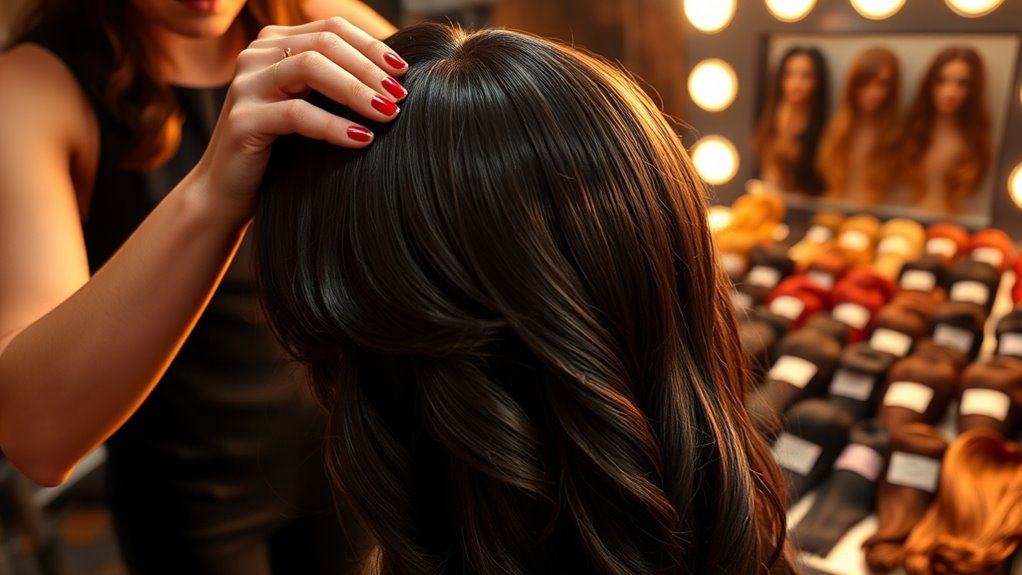
Have you ever wondered how actors transform into entirely different characters through their hair? It’s a fascinating process that often goes unnoticed but plays a pivotal role in creating authentic and believable performances. Wigs and extensions are essential tools in achieving this, especially when it comes to maintaining historical accuracy and enabling seamless character transformation. When a show or film aims to transport you to a different time period, every detail counts—including hair. Costume designers and hairstylists work diligently to ensure that a character’s hair matches the era’s style, texture, and color. This attention to detail helps you, the viewer, believe in the story and feel immersed in the world being depicted. Wigs and extensions allow actors to embody characters from vastly different periods without the need for lengthy, invasive haircuts or extensive styling sessions. Instead, they can don a wig that perfectly matches the historical hairstyle, helping to preserve the integrity of the period and enhance realism. This guarantees that the portrayal feels genuine, which is essential for maintaining the audience’s suspension of disbelief.
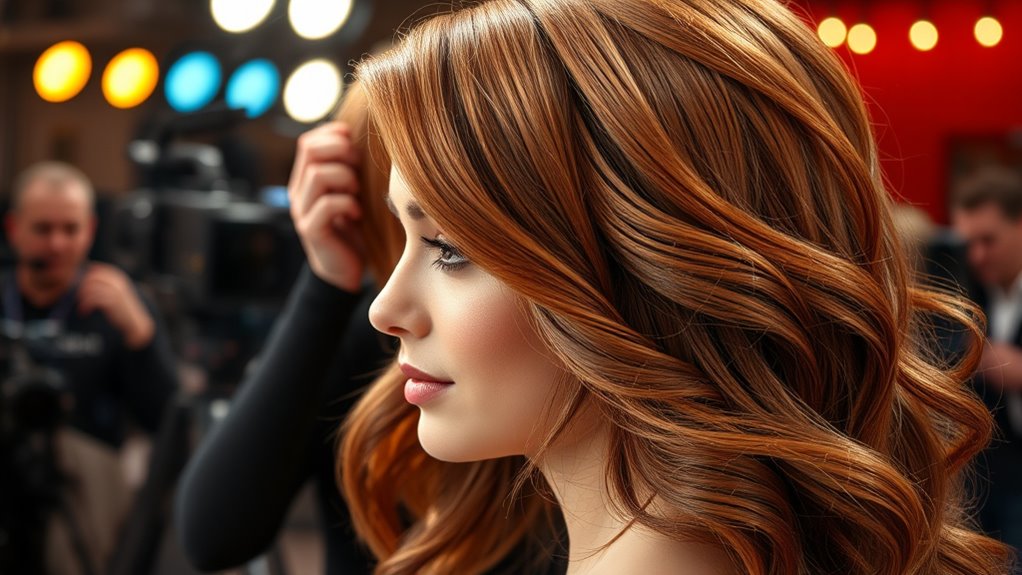
Character transformation is another key reason wigs and extensions are so widely used in film and TV. They provide actors with the freedom to change their look instantly, whether it’s aging a character, creating a fantastical creature, or simply switching hairstyles to reflect a character’s evolution. For example, a character might start the story with short, practical hair and then switch to long, flowing locks to symbolize growth or newfound confidence. These transformations are achieved with high-quality wigs and extensions, which can be styled, cut, and colored just like natural hair. They give actors the flexibility to embody complex roles without long delays or multiple costume changes. Furthermore, these hairpieces often look so realistic that even close-up shots can’t reveal the difference. This realism helps you connect more deeply with characters, as their appearance feels authentic and well-crafted.
In addition, the use of wigs and extensions can facilitate costume continuity across scenes and episodes, ensuring consistency in a character’s appearance over time. In the end, the use of wigs and extensions isn’t just about aesthetics; it’s about storytelling. They serve as powerful tools that help actors fully inhabit their roles, whether it’s capturing a specific historical look or illustrating a character’s development over time. By guaranteeing historical accuracy and enabling seamless character transformation, these hairpieces elevate the narrative and make the worlds on screen feel believable and alive. So next time you watch a period drama or a character change before your eyes, remember the skill and artistry behind those wigs and extensions that make the magic happen.
Frequently Asked Questions
How Long Does It Typically Take to Apply a Wig or Extension on Set?
Applying a wig or extension on set usually takes about 15 to 30 minutes, depending on the complexity. You’ll notice the application duration varies with crew coordination, as specialists work swiftly to guarantee a seamless look. Proper planning and communication help keep the process efficient, allowing you to stay on schedule. If the hairstyle is intricate, it might take a bit longer, but overall, the team aims for quick, precise work.
What Are the Most Common Materials Used in Film and TV Wigs?
You’ll be amazed at the variety of materials used in film and TV wigs! The most common are synthetic fibers, which can mimic almost any color or style instantly, and human hair, prized for its natural look and versatility. Synthetic wigs are lightweight and durable, perfect for quick changes, while human hair offers authenticity for close-up shots. Both materials transform actors’ appearances, creating magic on screen with every strand.
How Do Actors Safely Maintain Their Wigs During Filming Schedules?
To safely maintain your wigs during filming, you should follow proper wig styling techniques and avoid excessive heat or harsh products. Use gentle shampoos and conditioners designed for wigs, especially if your hair color is vibrant or chemically treated. Regularly detangle with a wide-tooth comb, store your wig properly when not in use, and consult a professional stylist for adjustments. This guarantees your wig stays looking great and remains in good condition.
Are There Any Special Techniques for Blending Extensions Seamlessly?
To blend extensions seamlessly, you should focus on color matching and scalp blending. Use custom color matching to guarantee the extensions match your natural hair and create a gradual shift. Apply scalp blending techniques, like knotting or using lightweight adhesives, to make the extensions sit naturally and hide any tracks. Properly blending these elements helps achieve a flawless, realistic look on camera while maintaining comfort during filming.
How Do Costume Designers Choose the Right Wig for a Character?
You choose the right wig by considering the character’s hair color, age, and overall look. You evaluate their personality and story to select a style that fits their age transformation or era. You also think about how the wig will blend with their natural features and the production’s aesthetic. Ultimately, you pick a wig that enhances authenticity, helps tell the story, and complements the actor’s performance seamlessly.
Conclusion
You might be surprised to learn that over 85% of period dramas rely heavily on wigs and extensions to achieve authentic looks. They’re essential tools that help actors transform into their characters seamlessly. Whether it’s a dramatic hairstyle change or historical accuracy, these hairpieces make a huge difference on set. So next time you watch a film or TV show, remember the incredible craftsmanship behind those stunning hair transformations that bring characters vividly to life.