
Many people mix up the steps of disinfecting tools by skipping proper cleaning beforehand. You might think disinfectants alone kill all germs, but organic matter and debris can shield microorganisms, making cleaning essential. Always scrub tools thoroughly with soap and water first, then apply the disinfectant correctly, following manufacturer instructions for concentration and contact time. Doing it in the right order guarantees safety and effective disinfection—continue exploring for more tips to avoid common mistakes.
Key Takeaways
- Proper cleaning with soap and water is essential before disinfecting to remove organic matter that shields microorganisms.
- Follow manufacturer instructions precisely for disinfectant concentration and contact time to ensure effectiveness.
- Many people confuse disinfecting with sterilizing; disinfectants reduce pathogens but don’t eliminate all spores.
- Using the wrong disinfectant type or skipping steps can leave microorganisms behind, risking infection.
- Combining thorough cleaning, correct disinfectant application, and proper sterilization techniques ensures comprehensive tool safety.

Have you ever wondered how to keep your tools truly clean and safe? Proper sterilization is essential, especially when handling equipment that comes into contact with skin or bodily fluids. Many people overlook the importance of thoroughly sterilizing their tools, mistakenly relying solely on surface cleaning or quick disinfectant wipes. But proper sterilization goes beyond that. It involves a combination of cleaning, disinfecting, and sometimes sterilizing to eliminate all microorganisms, including bacteria, viruses, and spores. Knowing the right disinfectant types is crucial because not all disinfectants are effective against every pathogen or suitable for all tools. For instance, some disinfectants are designed specifically for surfaces, while others are formulated for medical instruments. Choosing the correct disinfectant type depends on the tool’s material and the level of sterilization needed.
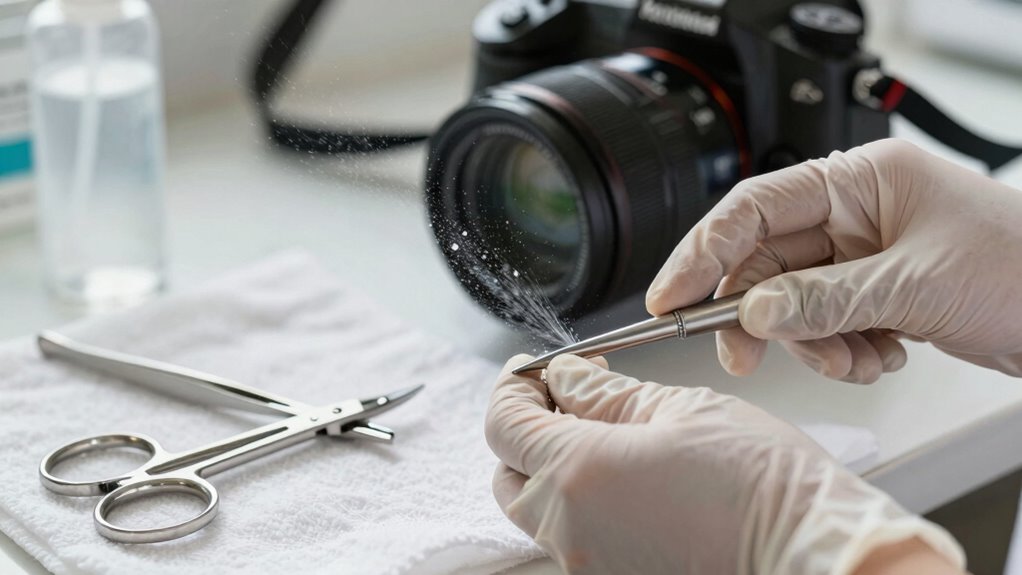
To begin, you should always start by cleaning your tools thoroughly. Remove any visible debris or residue with soap and water, scrubbing all surfaces carefully. This step is vital because organic matter can shield microorganisms from disinfectants and sterilizing agents, reducing their effectiveness. Once cleaned, you can move on to disinfecting. Disinfectant types vary widely, from alcohol-based solutions and bleach to specialized hospital-grade disinfectants. Alcohol-based disinfectants, such as isopropyl alcohol, are quick-acting and excellent for small tools or surfaces, but they don’t kill all spores. Bleach solutions are highly effective against a wide range of pathogens and are often used for disinfecting non-porous surfaces or tools. However, they can be corrosive and may damage certain materials over time. For medical or dental tools, sterilization methods like autoclaving are often necessary, but if that’s unavailable, using a high-quality disinfectant from trusted brands is a good alternative.
Always follow the manufacturer’s instructions when applying disinfectants. This includes observing the correct concentration, contact time, and method of application. Failing to do so can result in incomplete disinfection, leaving dangerous microorganisms behind. Remember, disinfection reduces the risk of infection but does not guarantee complete sterilization unless you’re using proper sterilization techniques like autoclaving or chemical sterilants specifically designed for that purpose. By understanding the importance of proper sterilization procedures and choosing the right disinfectant types, you’re taking vital steps to ensure your tools are safe and hygienic. Proper sterilization is the foundation of infection control in any setting. Don’t rush the process—taking the time to do it correctly protects you and those you serve from potential infections.
Frequently Asked Questions
How Often Should Disinfecting Tools Be Replaced?
You should replace disinfecting tools when their disinfectant effectiveness diminishes, which can happen after frequent use or contamination. Regularly inspect your tools and consider replacing them every few months, especially if stored improperly—such as in damp or dirty conditions. Good tool storage practices help maintain their disinfectant effectiveness longer, but replacing tools periodically guarantees you’re always working with clean, effective equipment, reducing the risk of contamination.
Can I Reuse Disinfected Tools Immediately?
Yes, you can reuse disinfected tools immediately if you follow proper tool sterilization procedures. Make sure that the disinfectant has the required contact time to effectively kill germs. Avoid touching the sterilized tools until they are completely dry and have met the recommended disinfectant contact time. This guarantees that your tools are properly disinfected, safe to use, and won’t spread bacteria or viruses.
What Are the Best Disinfectants for Delicate Tools?
Alcohol-based disinfectants are excellent for delicate tools because they evaporate quickly and won’t damage sensitive surfaces. Enzymatic cleaners are also effective, breaking down organic matter without harsh chemicals. Some believe they’re too gentle, but studies show they disinfect just as well when used properly. So, for your delicate tools, combine alcohol disinfectants for quick sterilization and enzymatic cleaners for thorough cleaning without risking damage.
Do Different Tools Require Different Disinfecting Procedures?
Yes, different tools require different disinfecting procedures based on their material and disinfectant compatibility. For example, metal tools might tolerate stronger chemicals, while delicate materials like plastic or rubber need gentler solutions. Always check the manufacturer’s guidelines to guarantee you use compatible disinfectants. This prevents damage and ensures proper sanitation. By tailoring your approach, you keep your tools safe, effective, and ready for use without risking deterioration.
How Can I Prevent Cross-Contamination During Disinfection?
Cross-contamination can spread faster than lightning if you’re not careful. To prevent it, always use proper sterilization techniques, like soaking tools in disinfectant solutions, and avoid reusing contaminated tools without proper cleaning. Don’t fall for disinfection myths that suggest shortcuts. Keep tools separate, disinfect thoroughly after each use, and always follow manufacturer instructions. This way, you guarantee safety and keep germs at bay effectively.
Conclusion
Remember, proper disinfecting is key to keeping your environment safe. Many people think they’re thorough, but studies show up to 60% of surfaces remain contaminated due to common mistakes. By following the correct steps, you’ll markedly reduce germs and prevent illnesses. Don’t let simple errors undermine your efforts—take the time to disinfect properly. Your health and safety depend on it. Stay diligent, and make disinfecting a consistent part of your routine.