
Nail lifting usually happens when the bond between your nail and nail bed gets weakened by trauma, infections, or environmental factors like water and harsh chemicals. Repeated manicures or nail-biting can also cause it, along with nutritional deficiencies or skin conditions like psoriasis. Often, improper prep before nail treatments or poor hygiene is to blame. To understand more about these causes and how to prevent them, keep exploring the details below.

Get beauty and skincare favorites delivered free with Prime
- Fast, free delivery on millions of items
- Prime Video, Amazon Music and more included
- Member-only deals all year
Key Takeaways
- Nail lifting often results from trauma, injury, or repeated mechanical stress, weakening the bond between the nail and nail bed.
- Infections like fungal or bacterial causes lead to nail discoloration, thickening, and detachment, contributing to lifting.
- Underlying health conditions such as psoriasis or eczema can damage nail structure, causing lifting and separation.
- Environmental exposure to harsh chemicals, excessive moisture, or poor hygiene weakens nails and promotes lifting.
- Nutritional deficiencies in vitamins and minerals impair nail strength, making them more prone to lifting and damage.

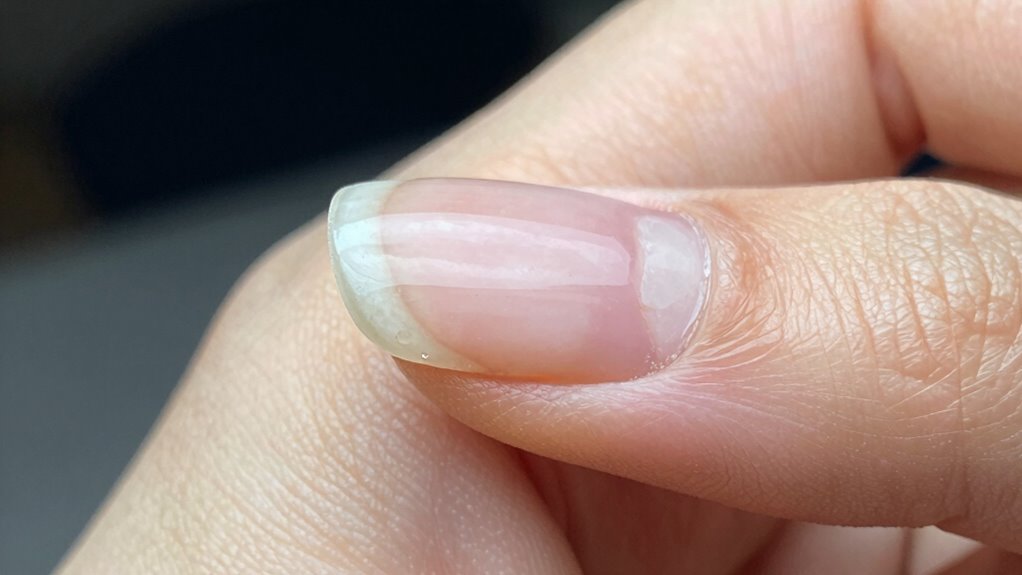
Nail lifting, also known as onycholysis, occurs when the nail separates from the nail bed, and several factors can cause this condition. Understanding the nail lifting causes can help you identify the underlying issues and seek appropriate treatment. Nail lifting is often associated with common nail issues that can develop from everyday activities, health conditions, or environmental factors. Recognizing these causes early can prevent further damage and discomfort.
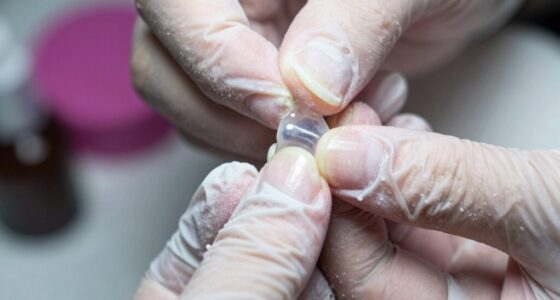
One of the most common nail issues linked to nail lifting is trauma. If you accidentally hit or bump your nails, you might notice them starting to lift or separate. Repeated trauma, such as from vigorous manicures, improper removal of artificial nails, or nail-biting, can weaken the nail and cause it to detach from the bed. These injuries disrupt the connection between the nail and the nail bed, making it easier for the nail to lift over time.
Infections are another considerable nail lifting cause. Fungal infections, in particular, can weaken the structure of your nails, leading to discoloration, thickening, and eventual separation from the nail bed. Bacterial infections can also contribute, especially if you have small cuts or hangnails that allow bacteria to enter. These infections compromise the integrity of your nails, resulting in common nail issues like onycholysis.
Additionally, health conditions such as psoriasis and eczema can cause nail lifting. Psoriasis, a skin condition that affects your immune system, often presents with pitting, ridges, and lifting of the nails. Eczema can cause inflammation around the nails, leading to loosening and separation. These issues are part of broader dermatological problems and can considerably impact nail health if not managed properly.
Environmental factors also play a role in nail lifting causes. Exposure to harsh chemicals, frequent contact with water, or excessive moisture can weaken the nails. Prolonged exposure to cleaning agents or detergents may strip away natural oils, making nails brittle and more prone to lifting. Similarly, poor nail hygiene or neglecting to keep nails dry can create an environment conducive to nail issues, including lifting.
Moreover, paint sprayer zone maintenance routines, such as exposure to vapors and chemicals, can indirectly affect nail health if proper precautions are not taken, contributing to brittle or damaged nails. Finally, nutritional deficiencies, particularly in vitamins and minerals like biotin, iron, or zinc, can weaken your nails and make them more susceptible to lifting. Poor diet or certain medical conditions can impair your body’s ability to produce healthy nails, leading to common nail issues that include lifting. Recognizing these causes allows you to address them through lifestyle changes, proper nail care, and medical advice.
nail repair kits for lifting nails
As an affiliate, we earn on qualifying purchases.
As an affiliate, we earn on qualifying purchases.
Frequently Asked Questions
Can Nail Lifting Be a Sign of a Fungal Infection?
Yes, nail lifting can be a sign of a fungal infection. You might notice fungal symptoms like discoloration, thickening, or a foul odor, which are common infection indicators. If your nail is lifting, it could be due to a fungal infection, especially if accompanied by these symptoms. It’s important to seek treatment promptly, as fungal infections can worsen and spread if left untreated.
How Long Does Nail Lifting Typically Take to Resolve?
Nail lifting can be a stubborn visitor, often taking weeks to months to resolve with proper care. Your nail health depends on consistent treatment, just like tending a garden. Typically, you’ll see improvement within 6 to 12 months, but patience is key. The treatment timeline varies based on the cause, the severity, and how well you follow your dermatologist’s advice. Stay diligent, and your nails will regain their strength over time.
Is Nail Lifting Painful or Uncomfortable?
Nail lifting can cause some nail sensitivity and discomfort, but it’s usually not painful. You might notice a dull ache or increased sensitivity to touch or pressure, especially if the lifted nail is irritated or infected. If you experience significant pain, it’s best to see a professional. In most cases, mild discomfort improves as the nail heals, and avoiding irritants can help reduce nail sensitivity and promote comfort.
Can Nail Lifting Cause Permanent Damage?
Nail lifting can cause permanent damage if left untreated, especially to your nail health. When the nail separates from the nail bed, it may lead to infections or deformities that could be difficult to reverse. To avoid cosmetic concerns and preserve healthy nails, it’s essential to seek professional care promptly. Proper treatment helps prevent lasting damage and keeps your nails looking healthy and attractive.
Are Certain Nail Treatments More Likely to Cause Lifting?
Like a delicate dance, some nail treatments are more prone to causing lifting. Treatments that skip proper nail prep or use aggressive techniques can weaken your nails’ bond, leading to liftings. Gel manicures and acrylics, especially if not applied with care, increase this risk. Always choose skilled technicians who use gentle, thorough treatment techniques, ensuring your nails stay healthy and beautiful without the worry of lifting.
Conclusion
Understanding why nail lifting happens helps you protect your nails better. Think of your nails as tiny fortresses—when the foundation weakens or damage occurs, cracks start to form. By taking proper precautions and prepping your nails, you keep that fortress strong and resilient. Remember, a little care now prevents bigger problems later. So, treat your nails like delicate treasures, and they’ll stay beautiful and intact, standing tall against daily wear like soldiers in a well-guarded castle.
Halloween Picks
halloween
As an affiliate, we earn on qualifying purchases.