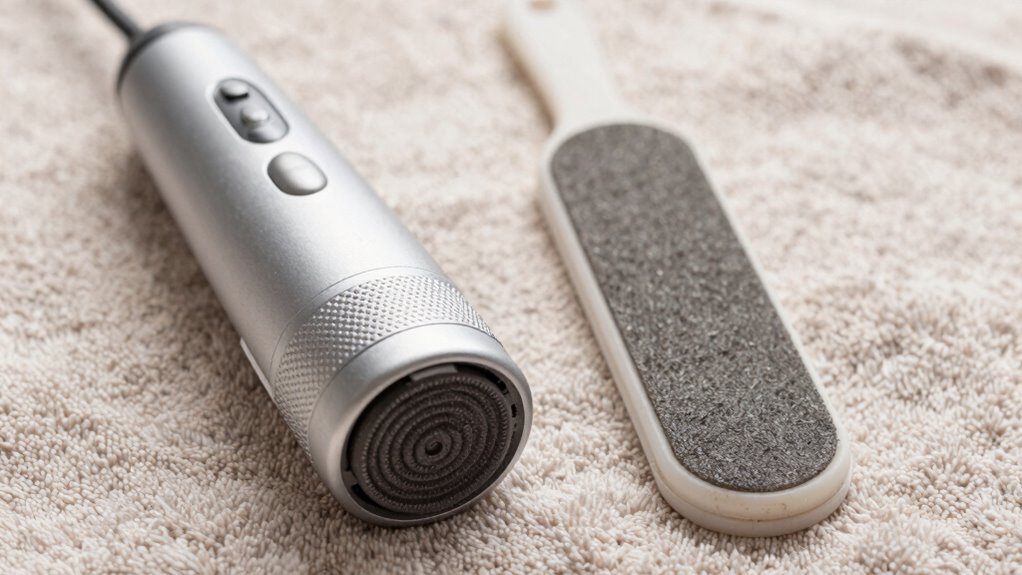

When choosing between electric and manual foot files, safety depends on proper use. Manual files, like pumice stones, require gentle pressure and are budget-friendly, but you must be cautious to avoid injury. Electric files offer quick, efficient removal with rotating heads but need careful handling to prevent over-exfoliation or cuts. Both types work best when used gently and with clean tools—stay with us to discover how to maximize safety and effectiveness.

Get beauty and skincare favorites delivered free with Prime
- Fast, free delivery on millions of items
- Prime Video, Amazon Music and more included
- Member-only deals all year
Key Takeaways
- Manual foot files are simple, affordable, and require applying pressure; safety depends on gentle use and avoiding over-exfoliation.
- Electric foot files offer faster results with rotating or vibrating heads but need careful handling to prevent skin damage.
- Always soak feet before use to soften skin and reduce injury risk, regardless of manual or electric tools.
- Follow manufacturer instructions and clean devices regularly to prevent infections and ensure safe, effective callus removal.
- Choose between manual and electric options based on skin sensitivity and comfort, prioritizing gentle, consistent use for safety.
Have you ever wondered how to keep your feet smooth and healthy? It’s a common concern, especially if you spend a lot of time on your feet or notice rough, calloused patches forming. One effective way to maintain your foot health is through proper callus removal, which is a key part of any good foot care routine. Using a foot file can make a real difference, but choosing between an electric or manual foot file can be confusing. Both options can work well if used correctly, but safety should always come first to avoid injury or discomfort.
Maintaining healthy feet involves proper callus removal with safe, effective foot files.
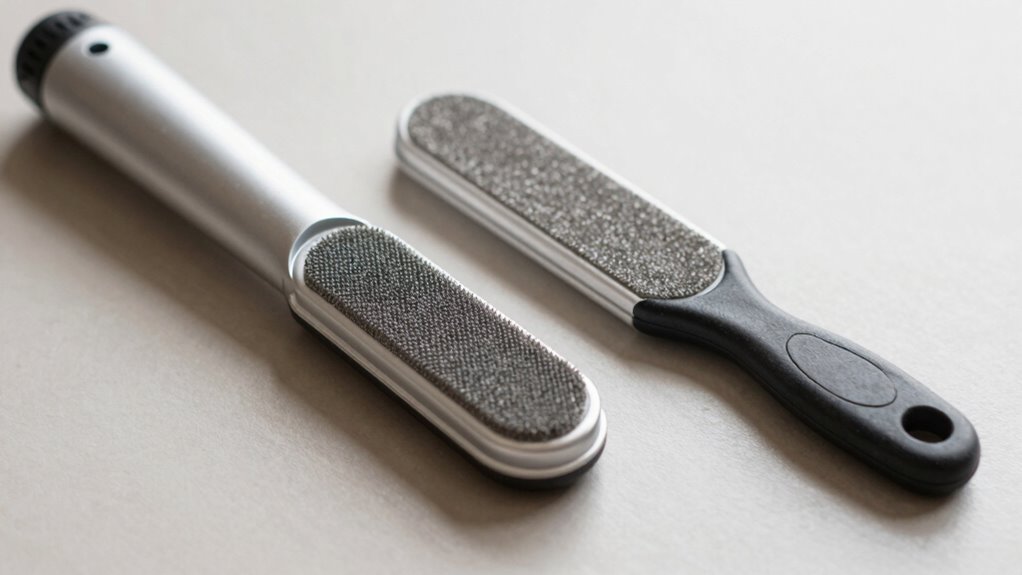
When it comes to callus removal, a foot file helps exfoliate dead skin, revealing softer, healthier layers underneath. Regular use of foot files can prevent calluses from becoming thick and painful, which is a common issue for many people. Incorporating foot files into your foot care routines ensures you’re consistently managing rough patches before they worsen. Manual foot files are straightforward tools—typically made of abrasive materials like metal or pumice stone—and require you to apply some pressure as you file away dead skin. They’re inexpensive and simple to control, but you need to be cautious not to overdo it. Applying too much pressure can cause cuts or irritation, especially if you have sensitive skin.
Electric foot files offer a different experience. They come with rotating heads or vibrating surfaces that do much of the work for you. Because they’re powered, these devices can be more efficient, especially if you have thick calluses or prefer a quicker routine. However, safety should be your priority—use the lowest setting and avoid pressing too hard. Electric files can sometimes remove skin too aggressively if not handled carefully, increasing the risk of injury. Always read the manufacturer’s instructions and keep the device clean to prevent infections. Additionally, advancements in AI technology are being integrated into some modern foot care devices to enhance safety and effectiveness.
Both types of foot files are effective, but your choice depends on personal preference and skin sensitivity. Whichever you choose, it’s best to use them after a warm foot soak, which softens dead skin and makes callus removal easier and safer. Don’t forget to moisturize afterward to keep your feet hydrated and prevent new rough patches from forming. Remember, gentle, consistent care is key. Whether manual or electric, foot files should be used with care, focusing on safety and comfort. With proper technique and regular use, you’ll find that your foot care routine becomes a simple yet essential part of maintaining healthy, smooth feet.
electric foot file for callus removal
As an affiliate, we earn on qualifying purchases.
As an affiliate, we earn on qualifying purchases.
Frequently Asked Questions
Are Electric Foot Files Suitable for Sensitive Skin?
Electric foot files can be suitable for sensitive skin if you choose a gentle, low-speed setting. They provide gentle exfoliation, which helps remove dead skin without causing irritation. However, you should test the device on a small area first and avoid overusing it. If your skin is very delicate or prone to irritation, consider using manual foot files or consult a dermatologist to assure safe, effective care.
How Often Should I Replace Manual Foot File Blades?
Replacing your manual foot file blades is like changing worn-out tires—you need fresh ones for safety and effectiveness. Generally, you should replace the blades every 10 to 15 uses or when they become dull or chipped. Regular blade maintenance ensures peak exfoliation and prevents injury. Keep an eye on the blades’ condition, and don’t hesitate to replace them sooner if you notice any signs of wear or roughness during use.
Can Using a Foot File Cause Infections?
Using a foot file can cause infections if you’re not careful, especially if bacteria build up on the tool. Bacterial growth can lead to infections, and improper use may cause skin irritation. To prevent this, clean your foot file regularly with soap and disinfectant, and avoid sharing it. Replace manual blades when dull, and always make sure your skin is dry and clean before filing to minimize risks.
What Safety Precautions Should I Take When Using Electric Foot Files?
Don’t put all your eggs in one basket—safety comes first. When using electric foot files, guarantee proper hygiene by disinfecting the device before and after use. Wear protective gear like gloves if needed, and avoid applying excessive pressure. Keep the device clean and dry, and follow manufacturer instructions carefully. By taking these precautions, you reduce infection risk and keep your feet healthy and safe.
Are There Specific Foot Conditions That Prevent Foot File Use?
You should avoid using foot files if you have diabetic foot issues or open wounds, as callus removal can worsen these conditions. For those with sensitive or compromised skin, foot files may cause cuts or infections. Always consult a healthcare professional if you’re unsure, and prioritize safety. If you do use a foot file, be gentle, avoid overuse, and stop immediately if you experience pain or discomfort.
Conclusion
Choosing the right foot file can make all the difference in your foot care routine. Whether you prefer electric or manual, safety should always come first. Did you know that over 60% of foot injuries happen due to improper tool use? By understanding the differences and prioritizing safety, you’ll keep your feet healthy and smooth. So, pick the tool that suits you best and take care of your feet with confidence!
Halloween Picks
halloween
As an affiliate, we earn on qualifying purchases.