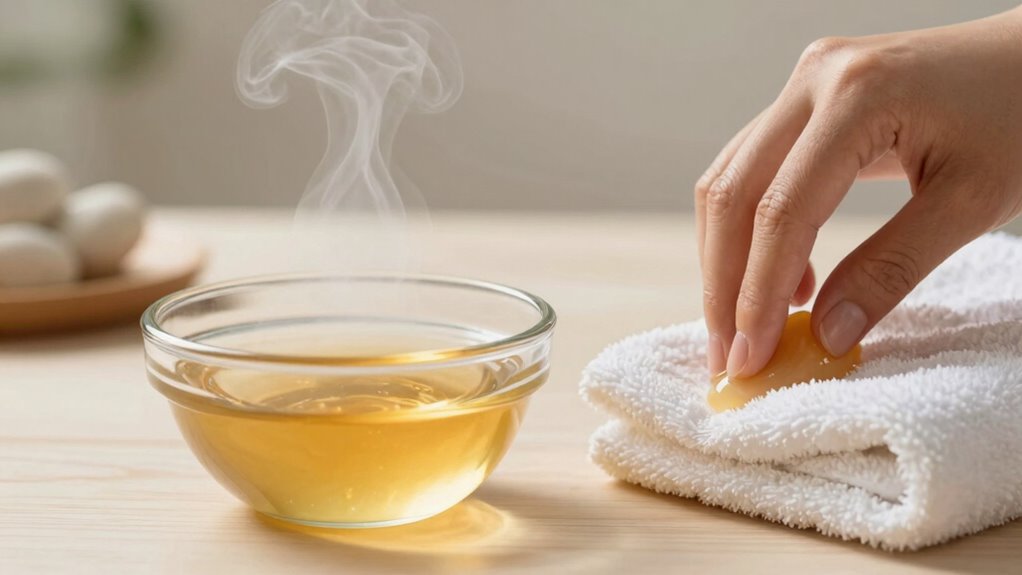

Paraffin wax is great when you need efficient heat transfer for candle making, sealing, or therapeutic treatments. It melts smoothly and evenly, allowing precise temperature control. Skip it if you have sensitive skin, allergies, or open wounds, since it may cause irritation or trap bacteria. For industrial uses needing durability, consider other materials. Want to know more about choosing the right applications and precautions? Keep exploring the essentials of paraffin wax.
Key Takeaways
- Paraffin wax is ideal for applications like candle making and coating due to its excellent thermal transfer and smooth melting.
- Use paraffin wax when precise temperature control and even melting are required for high-quality results.
- Avoid paraffin wax if you have sensitive skin, allergies, or open wounds to prevent irritation or trapping bacteria.
- It’s not suitable for harsh industrial environments needing high durability or resistance; specialized waxes may be better.
- Proper equipment, such as dedicated wax heaters, ensures safe, even melting and application, maximizing benefits and minimizing risks.
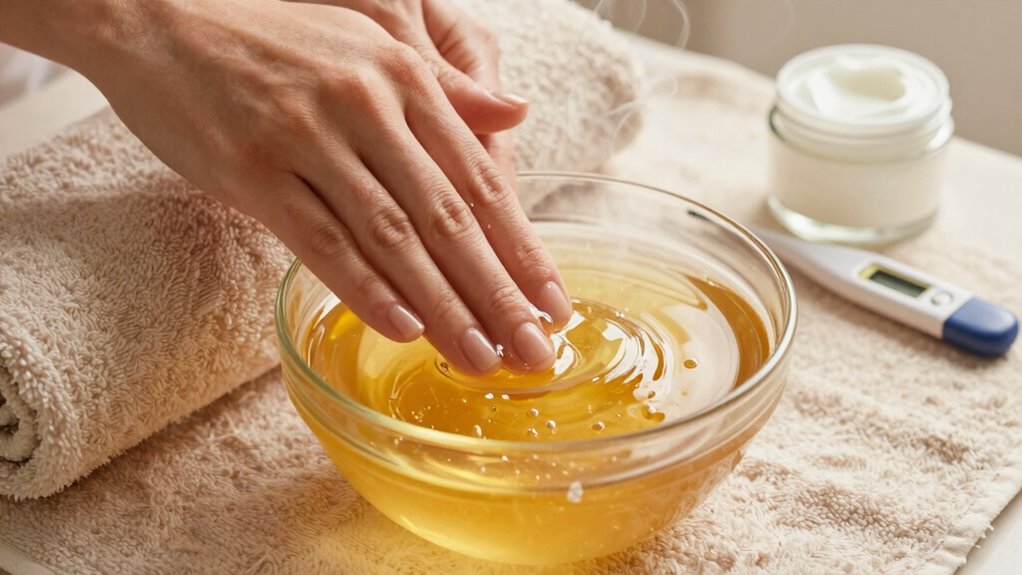
Have you ever wondered what makes paraffin wax so versatile and widely used? The answer lies in its unique thermal properties and the variety of application techniques it offers. Paraffin wax has excellent thermal conductivity and a relatively low melting point, making it ideal for a range of uses from cosmetics to industrial applications. Its ability to hold heat and transfer it efficiently allows for precise heating and cooling processes, which are vital in many settings. When you work with paraffin wax, understanding its thermal properties helps you optimize its performance, whether you’re dipping, molding, or creating candles. These properties ensure that the wax melts evenly without scorching, providing smooth, consistent results. Additionally, its solid-to-liquid transition is gentle, giving you control over temperature without sudden changes that could spoil your project. Knowing the right application techniques also means being aware of when to skip paraffin wax altogether. For example, if you’re working with sensitive skin conditions or allergies, paraffin might not be suitable because it can sometimes cause irritation or allergic reactions. Similarly, if you’re dealing with open wounds or skin infections, applying wax can trap bacteria, worsening the problem. Industrial applications, like sealing or waterproofing, might also require specialized wax formulations or alternative materials when conditions demand higher durability or resistance. Recognizing these limitations helps you use paraffin wax responsibly and effectively. Moreover, selecting the right equipment, such as a dedicated wax heater, ensures consistent temperature control and optimal results.
Frequently Asked Questions
Is Paraffin Wax Suitable for Sensitive Skin Types?
Paraffin wax isn’t always suitable for sensitive skin types because it can cause allergic reactions or irritation. If you have sensitive skin, it’s best to do a patch test first or consult with a dermatologist before trying it. If you notice redness, itching, or swelling, stop using it immediately. Always choose high-quality, hypoallergenic paraffin wax when available, and listen to your skin’s reactions to avoid discomfort.
How Long Does a Typical Paraffin Wax Treatment Last?
A typical paraffin wax treatment lasts about 15 to 20 minutes, giving you enough time for effective moisture retention. During this session, the wax deeply penetrates your skin, helping lock in hydration and soothe dryness. The treatment duration is designed to maximize benefits without overexposure, so you’ll enjoy soft, moisturized skin afterward. Keep in mind, individual results may vary based on skin type and the specific area being treated.
Can Paraffin Wax Be Used on Broken or Irritated Skin?
You shouldn’t use paraffin wax on broken or irritated skin because it can worsen skin irritation and increase infection risk. The heat from the wax may cause discomfort and delay healing. If your skin is damaged or inflamed, it’s best to skip the treatment until your skin fully heals. Always consult a professional if you’re unsure, as applying paraffin wax on compromised skin can do more harm than good.
Are There Any Environmental Concerns With Paraffin Wax Disposal?
You should be aware that disposing of paraffin wax raises biodegradability concerns, as it’s a petroleum product that doesn’t break down easily in the environment. Recycling challenges also exist because paraffin wax isn’t easily recyclable through standard methods. To minimize environmental impact, consider using eco-friendly alternatives or guarantee proper disposal by following local waste management guidelines to reduce pollution and waste.
How Does Paraffin Wax Compare to Other Moisturizing Treatments?
Compared to natural alternatives like beeswax or shea butter, paraffin wax is less moisturizing and can feel greasy. It’s typically more affordable, making it a popular choice for treatments, but natural options often provide better hydration and skin benefits. If you’re seeking a cost-effective, longer-lasting option, paraffin wax works well, but for deeper nourishment, natural alternatives might be the smarter choice.
Conclusion
So, next time you dip your fingers into warm paraffin wax, picture it as a gentle embrace from a cozy, glowing flame. It can soothe your skin like a lullaby, wrapping your hands in comforting warmth. But remember, if your skin’s feeling fragile or irritated, it’s like trying to hold a flickering candle—best to skip it. Trust your body’s signals, and let paraffin be your warm ally or gentle retreat.