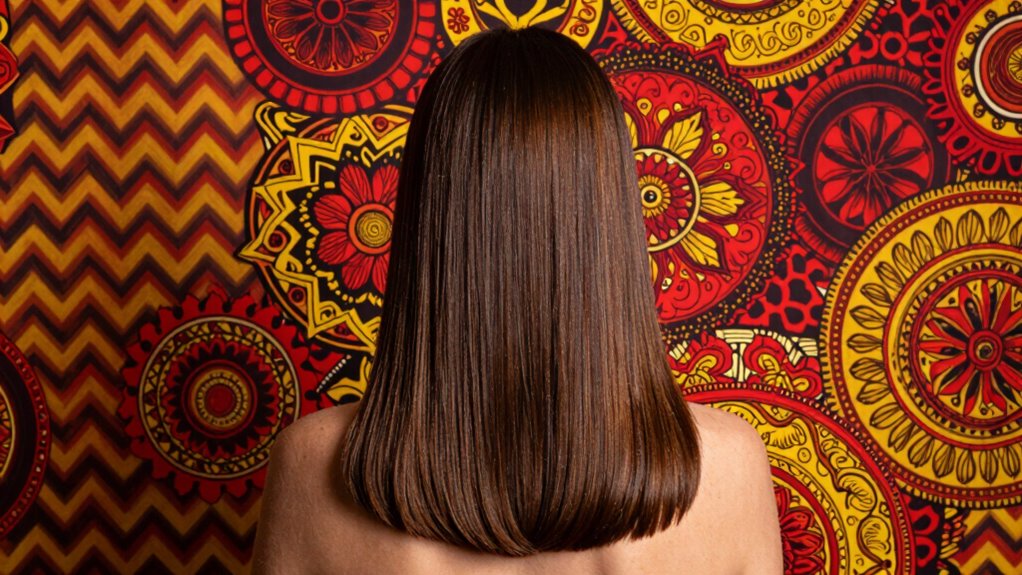

When choosing backdrops for hair photos, avoid busy patterns like stripes, floral prints, or intricate designs that create visual noise. These can distract from the hair’s texture, color, and shine, undermining a professional look. Complex backgrounds may also cause moiré effects or glare. To keep the focus on your subject, opt for solid, simple backdrops. If you want tips on selecting the best options, there’s more to discover on how to make your photos stand out.
Key Takeaways
- Avoid busy patterns like stripes, florals, or complex designs that distract from hair details.
- Steer clear of textured or heavily patterned backgrounds that create visual noise and clutter.
- Do not use patterned backdrops that cause moiré effects, distorting image clarity.
- Refrain from backgrounds with vibrant, competing colors that overshadow the hair.
- Skip intricate or detailed designs to maintain focus on the hair’s texture and color.
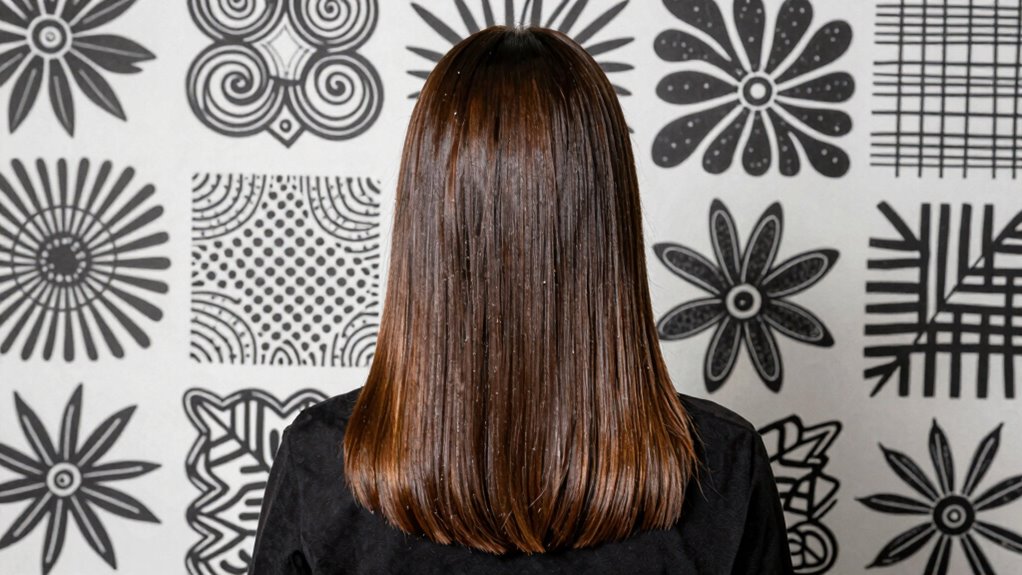
Choosing the right backdrop can make a significant difference in showcasing hair photos. It’s not just about picking something pretty; the backdrop plays a crucial role in highlighting the hair’s texture, color, and movement. When you’re selecting a background, pay close attention to color coordination. You want a backdrop that complements the hair color without competing with it. For instance, if you’re photographing someone with dark, rich hair, avoid backgrounds that are too busy or overly bright, as they can drown out the hair and distract viewers. Instead, opt for neutral shades like soft grays, beige, or muted pastels that let the hair stand out naturally. Conversely, if you’re working with lighter hair tones, deeper or darker backgrounds can create a stunning contrast that makes the hair pop.
Lighting techniques are equally essential in ensuring your backdrop works harmoniously with the subject. Proper lighting can bring out the shine, texture, and depth of the hair while ensuring the backdrop doesn’t overshadow it. When you’re shooting, use diffused lighting to avoid harsh shadows that can distract from the hair’s details. Soft light also helps create a balanced scene where the background stays unobtrusive, yet enhances the overall image. Be mindful of how your lighting interacts with the backdrop’s color—some shades can reflect or absorb light differently, affecting the overall mood of your photo. For example, a glossy or reflective background may bounce light back onto your subject, making the hair appear shinier or creating unwanted glare. Additionally, avoid patterns that are too busy or overly intricate. Stripes, floral prints, or complex designs tend to draw attention away from the hair, which should be the main focus. These patterns can create visual noise that competes with the hair’s details, making the photo feel cluttered and unfocused. Solid, simple backdrops are always safer choices, especially when combined with thoughtful color coordination and strategic lighting. Remember, the goal is to create a clean, professional look where the hair is front and center. Bright, chaotic patterns can also cause moiré effects on camera, which distort the image and diminish quality. Being aware of visual noise and how patterns can interfere with clarity is crucial for achieving professional results.
Frequently Asked Questions
How Do I Choose the Right Backdrop for Different Hair Colors?
When choosing a backdrop for different hair colors, focus on hair color coordination and backdrop color matching. For blondes, opt for soft pastels or neutral tones that highlight their hair’s brightness. Brunettes look great against rich, deep hues like navy or emerald. Redheads shine with warm, earthy tones or subtle contrasts. Always select a backdrop that complements rather than competes with their hair color, creating a balanced, eye-catching photo.
Can Patterned Backdrops Enhance or Detract From Hair Photos?
Patterned backdrops can be a double-edged sword; they might add visual interest, but often, pattern clash creates a chaotic scene that distracts from your hair’s true beauty. Instead of enhancing your photo, they cause a visual distraction, pulling the viewer’s eye away. To keep the focus on your hairstyle, opt for simple, solid backdrops that let your hair shine without competing for attention.
Are There Specific Lighting Techniques to Improve Hair Photo Backgrounds?
To improve hair photo backgrounds, you should use natural lighting whenever possible, as it creates soft, even illumination that highlights hair texture. Incorporate reflectors to bounce light onto the hair, adding shine and depth, while diffusers soften harsh light and reduce shadows. These techniques help create a balanced background that complements the hair, ensuring the focus stays on the subject without distracting patterns or harsh contrasts.
What Are Budget-Friendly Options for Professional-Looking Hair Photo Backdrops?
Looking for budget-friendly, professional-looking hair photo backdrops? You’re in luck—DIY tips and alternative materials can do the trick. Think plain-colored bedsheets, fabric remnants, or painted cardboard for a seamless look. These options are easy to set up, inexpensive, and customizable to match your style. With a little creativity, you’ll create striking backgrounds that elevate your photos without breaking the bank. Ready to transform your shoot?
How Do I Maintain Cleanliness and Avoid Damage on Fabric Backdrops?
To maintain cleanliness and avoid damage on fabric backdrops, follow these cleaning tips and prioritize fabric preservation. Gently spot clean with a mild detergent and cold water, avoiding harsh chemicals. Always hang your backdrop properly to prevent wrinkles and tears, and store it in a cool, dry place. Avoid excessive washing, which can weaken fibers. Regularly inspect for stains or tears, repairing them promptly to extend its lifespan.
Conclusion
Avoid busy patterns and distracting backgrounds when photographing hair. They can detract from your subject’s beauty and make your photos look cluttered. Instead, choose simple, solid backdrops that highlight the hair’s texture and color. Think of it like a blank canvas—your hair is the masterpiece. By keeping the background clean and unobtrusive, you create a clear visual story that draws viewers in and showcases your work beautifully.