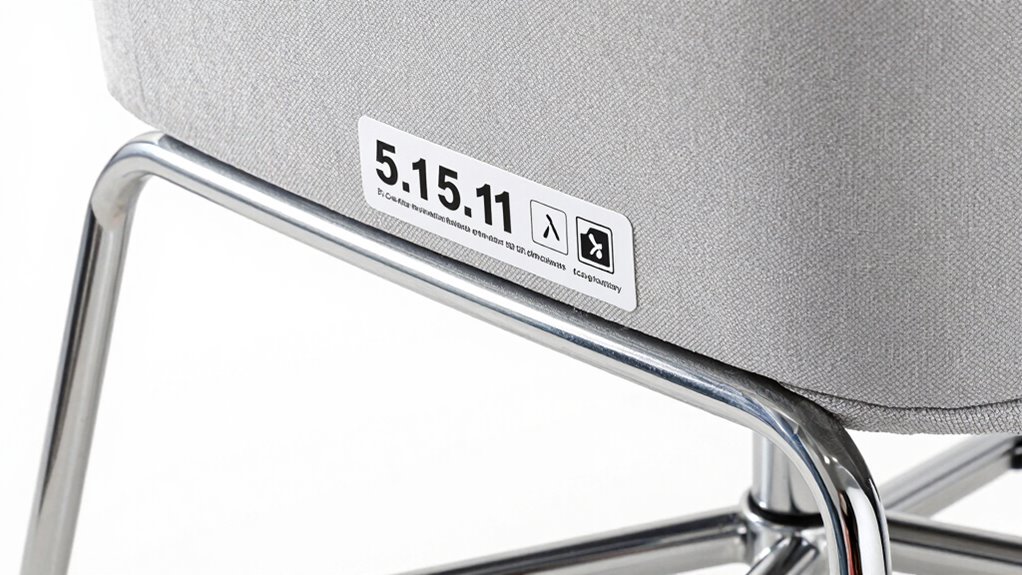

When you check chair specifications, focus on the weight limit listed in pounds or kilograms, which shows the maximum safe support. Understand that these limits are based on rigorous testing of materials, construction, and joint strength, not just guesswork. Good quality chairs with reinforced components are designed to handle more weight reliably. By paying attention to these details, you can pick the right chair for your needs and avoid accidents—if you keep exploring, you’ll learn even more.
Key Takeaways
- Check the chair’s specified weight limit in product documentation or labels to ensure safety.
- Understand that weight limits are based on material strength, construction quality, and testing.
- Interpret specs by noting whether weight capacity is listed in pounds or kilograms for clarity.
- Recognize that higher weight limits often indicate reinforced materials and robust construction.
- Avoid exceeding the stated weight limit to prevent structural failure and ensure longevity.

Understanding weight limits is essential because exceeding them can lead to dangerous situations, whether you’re driving a vehicle, packing for a trip, or operating equipment. When it comes to chairs, knowing how to read their specifications ensures you stay within safe boundaries and avoid accidents or damage. One of the key aspects to consider is the durability factors involved, which are closely tied to the material strength of the chair. Durable materials can better withstand weight stress, but it’s important to understand what the specifications mean to make an informed choice. Additionally, the testing standards used to determine weight capacity often incorporate material strength and other factors like joint reinforcement to ensure safety. Chair weight limits are typically listed in the product specs, often expressed in pounds or kilograms. These figures aren’t arbitrary; they reflect the chair’s ability to support a certain amount of weight safely. To interpret these numbers correctly, you need to understand what contributes to the chair’s strength. Material strength plays a significant role here. High-quality materials like reinforced steel, heavy-duty plastics, or dense wood tend to have higher durability factors, allowing the chair to support more weight without compromising its integrity. Conversely, chairs made from lighter or less robust materials will usually have lower weight limits.
Understanding chair weight limits helps ensure safety and durability through material strength and construction quality.
When reading chair specs, pay close attention to the material used and its rated strength. Manufacturers often specify the maximum weight capacity based on rigorous testing of the materials involved. This testing accounts for durability factors such as resistance to wear, deformation, and fatigue over time. If a chair is made from a material with high strength and durability factors, you can trust that its weight limit is reliable. On the other hand, if the material’s strength is marginal or if the chair’s construction is flimsy, exceeding the listed weight limit can cause deformation, structural failure, or even injury.
Frequently Asked Questions
How Do Weight Limits Affect Chair Longevity?
Weight limits directly impact your chair’s longevity because exceeding them stresses material durability, leading to faster wear and potential failure. Staying within the specified weight range ensures safety considerations are met, preventing damage from overloading. By choosing a chair with appropriate weight capacity, you prolong its lifespan, maintain safety, and avoid costly repairs or replacements. Always respect the weight limits to keep your chair functional and safe for longer periods.
Can a Chair With a Higher Weight Limit Be More Comfortable?
A chair with a higher weight limit can often be more comfortable because it’s designed with better ergonomic comfort and durable materials. While some assume it’s just about strength, these chairs usually feature robust construction and supportive features that adapt well to your body. Just remember, don’t judge a book by its cover—test the fit and comfort first, as material durability and ergonomic design play key roles in overall comfort.
Are Weight Limits the Same for All Chair Types?
No, weight limits aren’t the same for all chair types. Different chairs, like ergonomic office chairs or lounge chairs, have varied weight capacities based on their design and materials. When choosing, consider ergonomic features that support your body properly and match your weight. Aesthetic design might influence style, but don’t neglect weight limits to ensure safety and comfort. Always check the specific chair’s specs before buying.
How Accurate Are Manufacturer Weight Limit Claims?
Did you know that 85% of manufacturer weight limit claims are based on controlled testing? These claims are generally accurate but vary depending on fabric durability and warranty coverage. Manufacturers test chairs to ensure safety, but real-world use might differ. Always check the specifics of the warranty coverage and fabric durability, as these factors influence the chair’s true capacity. Trust reputable brands and verify testing standards for peace of mind.
Should Weight Limits Influence My Purchasing Decision?
Yes, weight limits should influence your purchasing decision because they guarantee safety and durability. When considering a chair, look at its ergonomic features for comfort and support, and don’t forget aesthetic considerations to match your space. Choosing a chair within its weight limit helps prevent damage and maintains functionality, so prioritize these factors along with weight capacity to find a chair that’s both safe and stylish for your needs.
Conclusion
Now that you know how to read chair specs, you’re ready to make smarter choices. But will you always check the weight limits before sitting? Or will you risk guessing and potentially facing the consequences? The next time you sit down, remember—those numbers aren’t just numbers. They’re your safety net. Will you trust your instincts or double-check? The choice is yours, and the right decision could make all the difference.