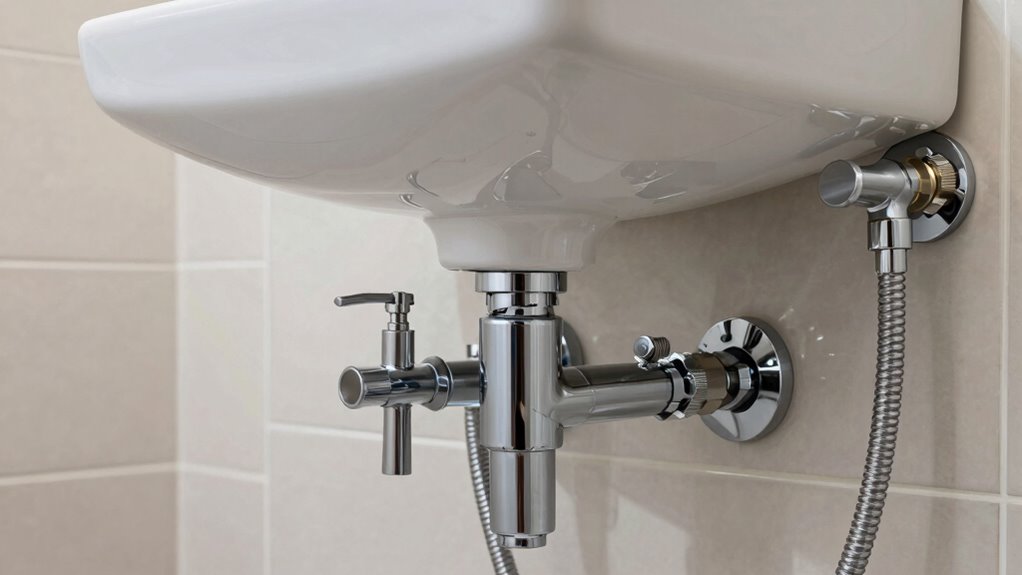

When setting up plumbing for shampoo stations, understanding key terms like water pressure, psi, fixtures, drain pipes, and traps is crucial. Proper pressure ensures comfortable, effective rinsing without damaging fixtures or wasting water. Drainage system components like pipes, slope, and traps prevent leaks and odors. Using the right fixtures and regulators helps manage flow and safety. To optimize your setup and keep everything running smoothly, keep exploring these essential plumbing terms.
Key Takeaways
- Understand water pressure and use regulators to maintain a comfortable, consistent flow for shampoo stations.
- Choose plumbing fixtures compatible with pressure regulation to ensure durability and proper performance.
- Proper drainage design, including pipe sizing and slope, is essential for efficient water removal and preventing water damage.
- Drain traps like p-traps prevent sewer gases from entering and support effective sanitation.
- Incorporate additional solutions such as sump pumps and filtration systems to manage excess water during busy periods.
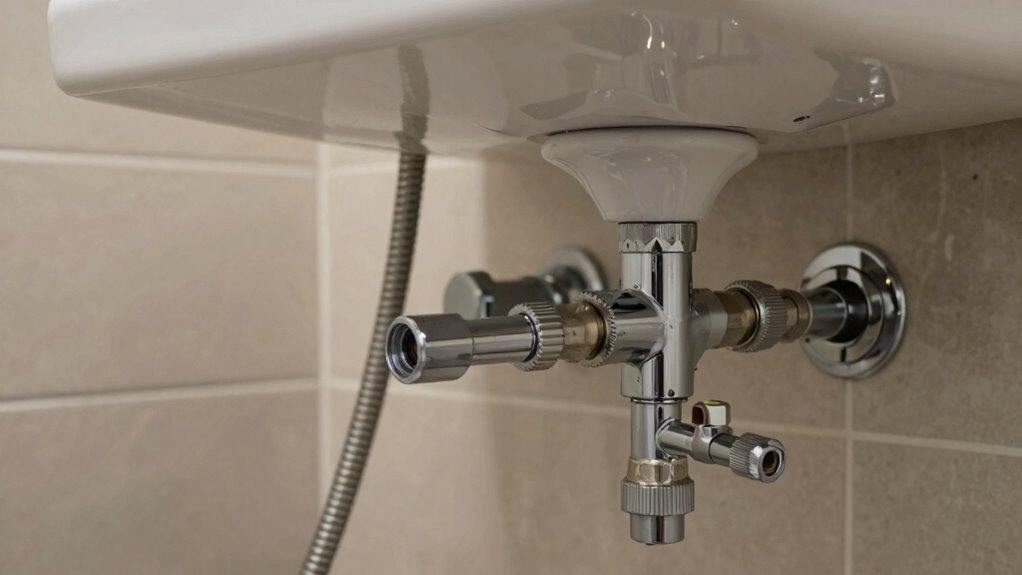
Have you ever wondered what goes into setting up the plumbing for shampoo stations? It’s more than just connecting a few pipes; it involves careful planning to ensure everything functions smoothly and comfortably for your clients. Two critical aspects you need to understand are water pressure and drainage solutions. Water pressure is essential because it determines how effectively the shampoo and water flow during use. Too little pressure, and your clients may struggle to rinse out shampoo thoroughly, causing frustration. Too much pressure, and you risk water splashing or damaging fixtures. Achieving the right balance involves evaluating your water supply’s psi (pounds per square inch) and installing pressure regulators if needed. These devices help control water flow, ensuring a steady, comfortable stream that’s neither too weak nor overpowering. Properly managing water pressure means your shampoo stations will operate efficiently, providing a pleasant experience for clients while reducing water waste and potential damage to fixtures. Additionally, understanding the importance of plumbing fixtures can help you select the right components for a reliable setup.
Drainage solutions play an equally important role in setting up shampoo stations. When water and shampoo rinse off clients’ hair, it all needs to drain away quickly and effectively to prevent pooling, leaks, or water damage. Your drainage system should be designed to handle the volume of water generated during typical use, especially during busy periods. This requires selecting the right size drain pipes, typically 1.5 to 2 inches in diameter, to ensure rapid water flow. Additionally, you need to contemplate the slope of the flooring and the placement of drain outlets to promote smooth drainage without standing water. Sometimes, dedicated drainage traps or p-traps are installed to prevent sewer gases from entering the salon, maintaining a hygienic environment. If your space has limited drainage capacity, you might also explore alternative drainage solutions such as sump pumps or water filtration systems that help manage excess water efficiently. Proper drainage solutions not only keep your workspace clean and safe but also prevent issues like water damage, mold, and unpleasant odors.
Frequently Asked Questions
What Are the Legal Codes for Shampoo Station Plumbing?
You need to follow local building permits and plumbing codes for shampoo station plumbing. These regulations ensure safety and proper installation, so check with your city or county authorities before starting. Typically, you’ll need permits and must adhere to specific standards for water supply, drainage, and sanitation. Failing to conform can lead to fines or costly repairs, so always verify your jurisdiction’s codes and obtain necessary approvals before installing your shampoo station plumbing.
How Do I Prevent Water Leaks in Shampoo Station Plumbing?
To prevent water leaks in your shampoo station plumbing, regularly perform leak detection checks and maintain your plumbing system. Tighten fittings and replace worn-out seals promptly. Schedule routine plumbing maintenance to catch issues early and avoid costly repairs. Using quality materials and proper installation techniques also help avoid leaks. Staying proactive ensures your shampoo station stays efficient, safe, and free from water damage.
What Is the Average Cost of Installing Shampoo Station Plumbing?
Think of installing shampoo station plumbing as planting a tree; it requires careful planning. The average cost ranges from $500 to $2,500, depending on the complexity and materials. You should budget wisely, considering installation costs for fixtures, piping, and labor. Proper budget planning guarantees you avoid surprises, just like watering and nurturing your tree for steady growth. Investing now saves you money and headaches later.
How Often Should Shampoo Station Plumbing Be Inspected?
You should inspect your shampoo station plumbing at least once every six months for a proper maintenance schedule. Regular inspections help catch issues early, preventing costly repairs. During troubleshooting tips, look for leaks, clogs, or unusual odors. If you notice any problems, address them promptly to keep the plumbing functioning smoothly. Consistent inspections ensure your shampoo station stays in top condition, providing a better experience for your clients.
Are There Eco-Friendly Plumbing Options for Shampoo Stations?
You can definitely choose eco-friendly fixtures and water-saving solutions for shampoo stations. These options help reduce water usage without sacrificing performance, so you save money and support sustainability. Some fixtures use less water per wash, and installing low-flow aerators is simple yet effective. Don’t worry about quality—modern eco-friendly plumbing meets high standards. By opting for these solutions, you’re making a positive impact on the environment while maintaining excellent service.
Conclusion
Think of your shampoo station’s plumbing as the bloodstream of a busy city, seamlessly carrying water and waste to keep everything flowing smoothly. When you understand these key terms, you’re like the city’s master engineer, ensuring every pipe and valve works in harmony. With this knowledge, you’ll keep your station running like a well-oiled machine, turning what might seem complex into a simple, reliable system that keeps your clients happy and your business thriving.