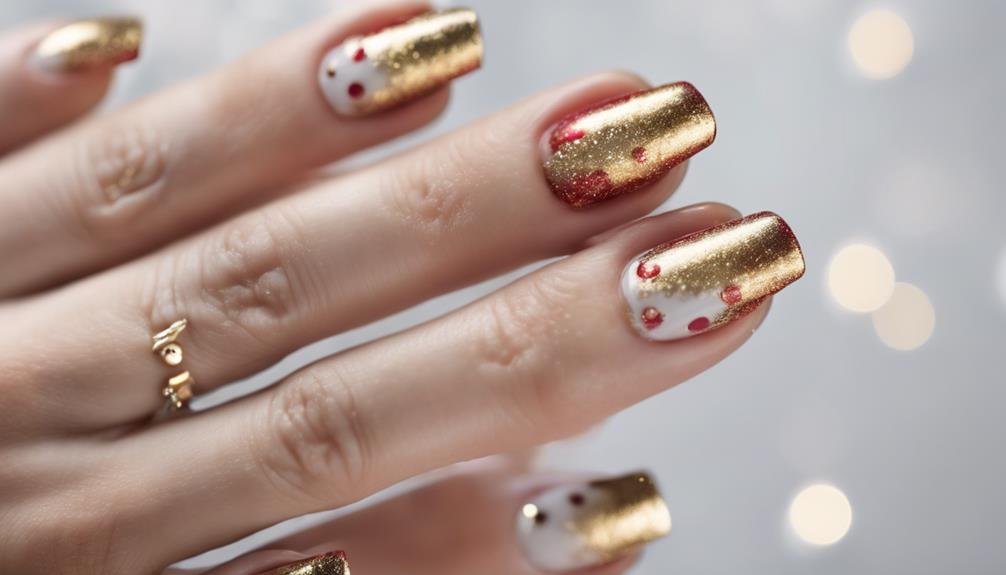

Nails don’t actually breathe because they lack lungs or a respiratory system. Their health relies on environmental factors, care, and nutrition instead. Moisture, dryness, chemicals, and humidity affect how strong and healthy your nails stay. Protecting your nails with proper care and a good diet helps keep them in top shape. Want to discover more about how to boost nail health and clear up common misconceptions? Keep going to find out the facts.

Get beauty and skincare favorites delivered free with Prime
- Fast, free delivery on millions of items
- Prime Video, Amazon Music and more included
- Member-only deals all year
Key Takeaways
- Nails do not have lungs or respiratory systems; “breathing” is a metaphor, not literal.
- Nail health relies on proper care, nutrition, and environment, not air exchange.
- Environmental factors like moisture, dryness, and chemicals influence nail condition more than “breathing.”
- Nails are made of keratin and lack pores; they do not actively absorb air or oxygen.
- Maintaining balanced humidity and avoiding harsh chemicals promote healthy nails from the inside out.
Breathing nails might sound like a bizarre concept, but understanding what they really are can clear up a lot of misconceptions. The idea suggests that nails can somehow “breathe,” but in reality, nails don’t have lungs or any respiratory system. Instead, this phrase often refers to the way nails respond to environmental factors and how their health can change over time. Nail health depends heavily on proper care, nutrition, and avoiding damage, not on any breathing process. When people talk about nails “breathing,” they usually mean that nails can absorb moisture, oxygen, or chemicals from their surroundings, which can impact their strength and appearance.
The key to understanding this concept is recognizing that nails are made of keratin, a tough protein that forms a protective shield over your fingertips. This shield doesn’t have pores like skin does, so it doesn’t actively take in air. However, the skin beneath and around your nails is rich with blood vessels and can exchange gases with the environment. This exchange, or breathing process, influences nail health indirectly. For example, if your nails are exposed to excessive moisture, they can become soft and prone to infections. Conversely, dry conditions can cause brittleness and breakage. Proper nail care involves maintaining a balanced environment that supports healthy nail growth, ensuring they’re not overly exposed to harmful substances or excessive moisture. Additionally, environmental factors such as humidity levels can influence how your nails respond to their surroundings. Maintaining a stable environmental balance is crucial for overall nail health.
Understanding that nails don’t breathe doesn’t mean you should neglect their health. Instead, you should focus on how external factors affect their condition. Good nail health depends on hydration, nutrition, and avoiding harsh chemicals. For example, frequent exposure to acetone-based removers or harsh cleaning agents can weaken nails over time. Protecting your nails with gloves during cleaning or using nourishing oils can help maintain their integrity. Proper diet also plays a vital role—biotin, zinc, and vitamins A and E support nail strength and growth. Additionally, understanding the environmental impact on nail health can help you make better choices to keep your nails strong and healthy. Being mindful of humidity levels and other environmental influences can further optimize nail care routines. Remember, proper nail care is essential to prevent damage and promote strength from the inside out. Taking steps to improve overall nail environment can make a significant difference in their health and appearance.
As an affiliate, we earn on qualifying purchases.
Frequently Asked Questions
Are Breathing Nails Safe for Use in Construction Projects?
Breathing nails are generally safe for construction projects, but you should consider their environmental impact and manufacturing process. These nails are designed to be eco-friendly, reducing emissions and waste during production. However, always check product labels and manufacturer info to guarantee they meet safety standards. Using breathing nails can benefit your project by minimizing environmental harm, but it’s essential to verify their safety and sustainability for your specific application.
Can Breathing Nails Cause Health Issues if Inhaled?
Inhaling breathing nails can pose health risks due to inhalation concerns. If you accidentally breathe in small particles or dust from these nails, it might cause respiratory irritation or more severe issues over time. Always wear protective gear, such as masks, when working with or around breathing nails. Proper ventilation and handling are essential to mitigate health risks and guarantee safe use during your construction or crafting projects.
How Do Breathing Nails Differ From Regular Nails?
Imagine finding a nail that seems to breathe, but it’s just a coincidence. Breathing nails differ from regular nails because they’re designed with materials that enhance nail longevity and resist rust. This special construction allows them to withstand moisture and corrosion longer than standard nails, making them more durable. You’ll notice they hold up better over time, especially in damp environments, thanks to their rust-resistant properties, giving your projects lasting strength.
Are There Specific Environments Where Breathing Nails Are Recommended?
You should consider using breathing nails in environments that benefit from innovative installation techniques, like green roofs or sustainable building projects. These nails are designed to minimize environmental impact by promoting better airflow and moisture regulation. They’re ideal where maintaining structural integrity while supporting eco-friendly practices matters most, such as in urban green spaces or eco-conscious construction sites. Using breathing nails can help you achieve a more sustainable, efficient building process.
What Materials Are Used to Make Breathing Nails?
Breathing nails are typically made from innovative manufacturing materials like biodegradable or eco-friendly metals and composites, aimed at reducing environmental impact. These materials often include stainless steel, aluminum, or specially treated biodegradable plastics designed to allow airflow. While they’re crafted with sustainability in mind, it’s crucial to take into account their environmental footprint. You get what you pay for, so choosing the right materials ensures durability while keeping ecological concerns in check.
Conclusion
Think of breathing nails as tiny, silent guardians guarding a fragile castle. They may seem harmless, but beneath their stillness lies a hidden power, waiting to be awakened. Just as a gentle breeze can stir a storm, understanding their true nature can change your perspective. Don’t let fear lock you in a dark cellar; instead, see these nails as part of a larger story, ready to reveal their secrets when you’re willing to listen.
Fall Picks
fall essentials
As an affiliate, we earn on qualifying purchases.