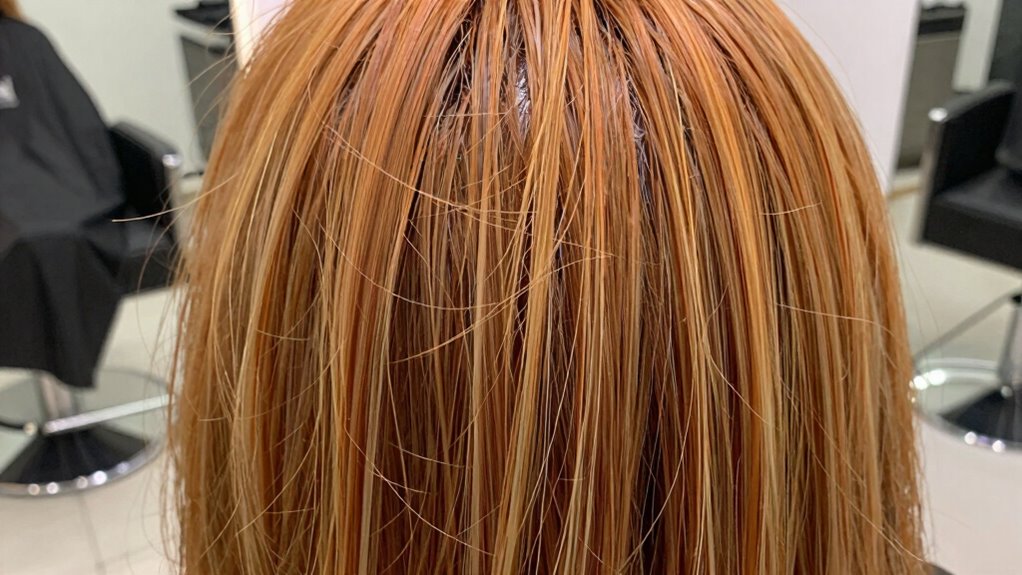
Brassiness returns quickly because external factors like sun, chlorine, and hard water break down your toner and warm up your hair color. If your hair is porous, it loses toner faster, making brassiness more noticeable. Using harsh shampoos or skipping protective products can also speed up fading. To keep your color cool longer, minimize exposure to damaging elements and use targeted hair care. Keep going to discover how you can better protect and maintain your vibrant shade.

Get beauty and skincare favorites delivered free with Prime
- Fast, free delivery on millions of items
- Prime Video, Amazon Music and more included
- Member-only deals all year
Key Takeaways
- External factors like sun, chlorine, and hard water accelerate toner fading and promote brassiness.
- High hair porosity and damaged cuticles cause faster toner loss and brassiness reappearance.
- Using harsh shampoos and frequent washing strip toner, leading to quicker brassiness return.
- Unfiltered water and environmental exposure weaken cool tones and speed up brassiness.
- Lack of protective measures and inconsistent maintenance allow brassiness to resurface rapidly.
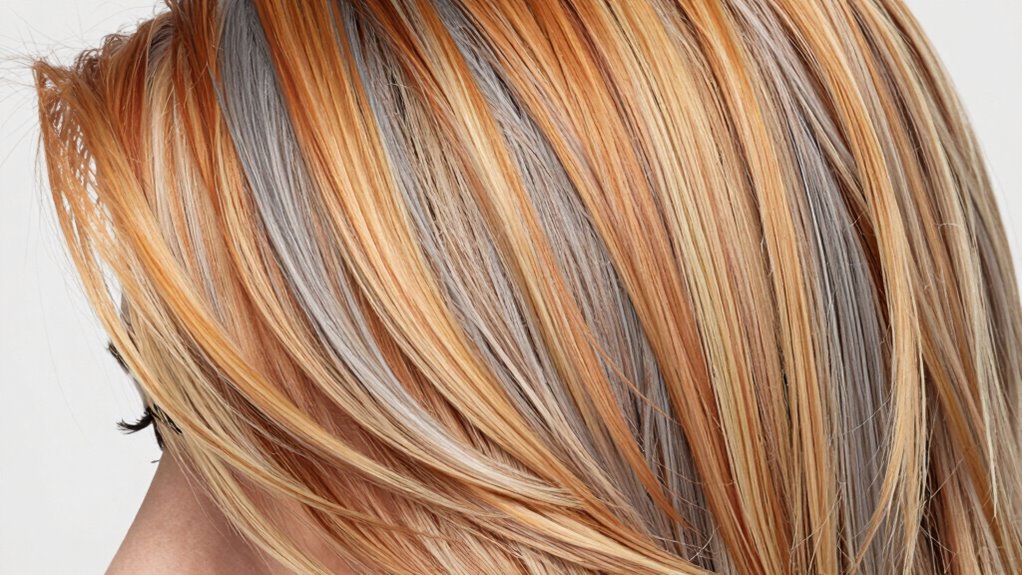
If you’ve recently polished your brass fixtures, you might be surprised to find that the brassy hue returns quickly. The same thing happens with hair color—no matter how much you tone or treat it, brassiness seems to creep back faster than you’d like. That’s because underlying factors like hair’s porosity, exposure to sunlight, and water mineral content all push against your efforts to keep cool, ash, or neutral tones. Maintaining a hair color free from unwanted warmth requires more than just occasional toning; it demands consistent upkeep and understanding what influences toner longevity. When your toner starts fading or shifting, it’s usually because it’s fighting against these external factors, which accelerate brassiness.
Brassiness returns quickly due to hair porosity, sunlight, and mineral-rich water undermining your toning efforts.
Hair color maintenance becomes a delicate balancing act. If you’re trying to preserve a cool blonde or ash brown, you need to be proactive. Regularly using color-safe shampoos and conditioners designed for color-treated hair helps extend toner longevity. These products are formulated to be gentler, reducing the stripping of your toner and minimizing brassiness. Additionally, incorporating purple or blue shampoos once a week can help neutralize warm tones that start to develop. But even with these products, the toner’s effect isn’t everlasting. It gradually washes out because the cuticle layer of your hair, especially if it’s porous, allows color molecules to escape over time. That’s when brassiness sneaks back in, making your cool tone look dull or orange.
You also need to contemplate environmental factors that hasten toner fading. Sun exposure, chlorinated pools, and hard water rich in minerals speed up the loss of cool tones. These elements weaken the toner’s hold and introduce new warmth. To combat this, wear hats or use UV protectant sprays when you’re outside. Rinsing your hair with filtered water or wearing a shower filter can make a big difference in maintaining toner longevity. Frequent washing, especially with harsh shampoos, strips away your toner faster, so finding a balance—washing less often or with gentle products—is key. Additionally, understanding how water mineral content affects hair color and how hair’s porosity influences color retention can also guide your hair care choices. Recognizing these factors can help you develop a more effective routine to keep brassiness at bay.
A helpful tip is to consider the porosity of your hair, which determines how quickly your hair loses its color and how susceptible it is to brassiness. The condition of your hair cuticle also plays a crucial role in how well your toner stays intact. Ultimately, the reason brassiness comes back so quickly ties back to how well you care for your hair and how you manage toner longevity. You’ll notice that consistent, targeted treatments combined with protective measures help extend the life of your cool tones. While it’s impossible to keep brassiness at bay forever, understanding these factors empowers you to delay its return. By adjusting your routine, you can enjoy longer-lasting, vibrant hair color and avoid the frustration of constantly fighting against that unwanted warm hue.
color-safe purple shampoo for blonde hair
As an affiliate, we earn on qualifying purchases.
As an affiliate, we earn on qualifying purchases.
Frequently Asked Questions
Can Hair Purple Shampoo Prevent Brassiness Long-Term?
Purple shampoo can help with color correction and slow brassiness, but it doesn’t prevent it long-term. Your hair’s porosity affects how well the pigment sticks, so if your hair is highly porous, brassiness may return faster despite using purple shampoo. To maintain results longer, use it regularly, follow with moisturizing treatments, and consider professional toning. Consistent care helps keep your color vibrant and minimizes brassiness over time.
Does Water Quality Affect Brassiness Recurrence?
Ironically, your water’s mineralization and pH imbalance are secretly sabotaging your perfect blonde. Hard water deposits minerals that deepen brassiness, while an imbalanced pH can strip color or trigger dullness, making brassiness return faster. You might think you’re just rinsing, but water quality constantly challenges your efforts. To keep blonde bright, consider water filtration or pH balancing treatments—otherwise, your hair’s color battle is an uphill, mineral-laden climb.
How Often Should I Re-Tone My Hair?
You should re-tone your hair every 4 to 6 weeks, depending on your hair porosity and how quickly brassiness returns. Regular color correction helps maintain the cool tone you want, especially if your hair has high porosity, which absorbs and releases color faster. Keep an eye on your hair’s appearance, and don’t hesitate to visit your stylist sooner if brassiness starts to show, ensuring your hair stays vibrant and fresh.
Are There Specific Hair Types Prone to Brassiness?
Certain hair types are more prone to brassiness, especially those with high or low hair porosity. If your hair porosity is high, it absorbs and loses moisture quickly, which can cause brassiness to show up faster. Low porosity hair isn’t as receptive to conditioning, making it harder to maintain cool tones. Understanding your hair porosity helps you choose the right products and routines to minimize brassiness and keep your color fresh longer.
Can Environmental Factors Accelerate Brassiness?
Yes, environmental factors can speed up brassiness in your hair. Sun exposure causes your hair to fade and develop warm, brassy tones faster. Pollution effects also contribute by depositing chemicals and dirt that alter hair color, making brassiness more noticeable. To protect your hair, wear a hat, use UV protection sprays, and wash your hair regularly to remove pollutants. These steps help keep your hair color vibrant longer.
Conclusion
So, don’t get discouraged if brassiness returns quickly. It’s a common challenge, but with the right toning products and regular maintenance, you can keep your hair looking fresh and vibrant longer. You might think it’s a hassle, but a little effort goes a long way. Just stay consistent with your routine, and you’ll notice your hair stays cooler and brighter, making those quick reappearances of brassiness less frustrating and more manageable.
Fall Picks
fall essentials
As an affiliate, we earn on qualifying purchases.