
Scalp cameras can reveal detailed images of your scalp and hair follicles, helping you see follicle health, density, and early signs of thinning or inflammation. They are useful for tracking changes over time and guiding treatment choices. However, they can’t diagnose underlying scalp conditions like infections or systemic health issues, nor predict future hair growth. To discover more about these tools and their limitations, keep exploring how they can support your hair care journey.
Key Takeaways
- Scalp cameras can reveal detailed images of scalp conditions, hair follicle density, and early signs of thinning or inflammation.
- They cannot diagnose underlying scalp infections, structural issues, or systemic health problems affecting hair health.
- These devices help monitor treatment progress visually but do not predict future hair growth outcomes.
- Scalp cameras are supplementary tools that enhance understanding but should be used alongside professional medical advice.
- They are limited to surface-visible features and cannot detect autoimmune conditions or internal scalp abnormalities.
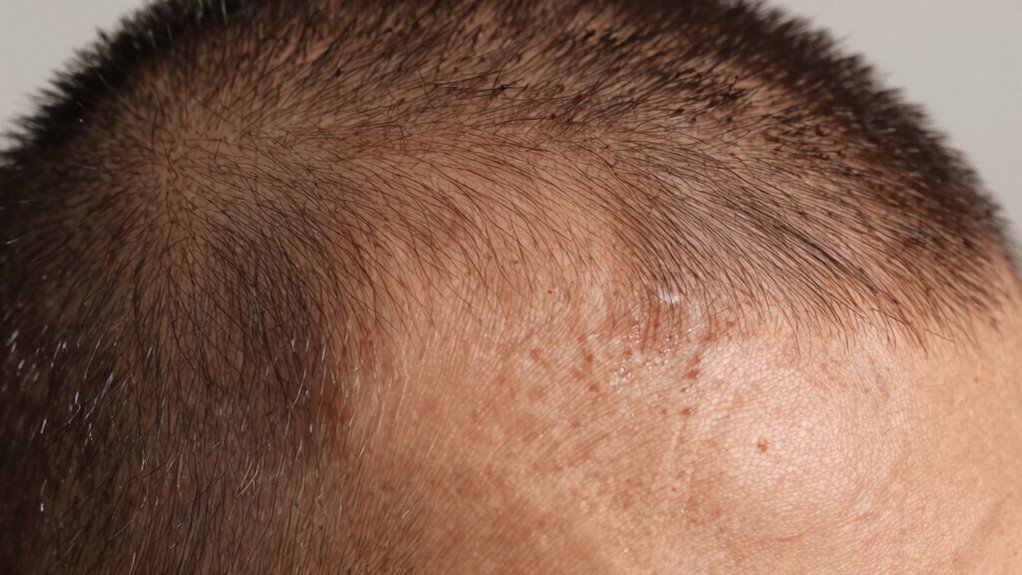
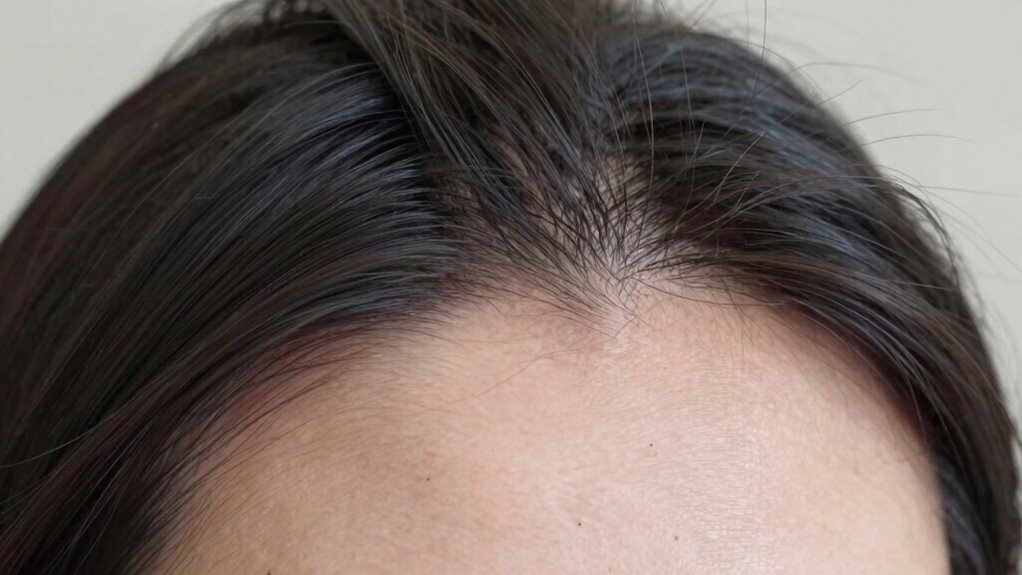
Scalp cameras are innovative devices designed to provide detailed images of the scalp and hair follicles, making them essential tools for hair analysis and treatment planning. When you use a scalp camera, you gain access to high-resolution images that reveal the condition of your scalp and the health of individual hair follicles. This is where scalp imaging technology shines, allowing practitioners to examine areas that are often hidden beneath the surface. With these images, they can assess the density, size, and health of your hair follicles, helping to identify early signs of conditions like thinning, miniaturization, or scalp inflammation. This detailed view offers a level of insight that traditional visual examinations simply can’t match.
Scalp cameras provide high-resolution images for detailed hair and scalp analysis.
When it comes to hair follicle analysis, scalp cameras are particularly valuable. They enable your specialist to measure follicle count and determine whether your hair loss is due to genetic factors, hormonal imbalances, or other causes. By zooming in on these follicles, they can tell if your hair is shedding at a normal rate or if miniaturized follicles are taking over, which signals progressive hair thinning. This information guides treatment decisions, whether you’re considering medication, laser therapy, or hair restoration options. The clarity provided by scalp imaging technology makes it easier to track changes over time, so you or your doctor can see how your hair responds to different treatments. Additionally, advancements in air quality monitoring can help identify environmental factors that may impact scalp health.
However, while scalp cameras are powerful tools, they do have limitations. They can’t reveal underlying scalp conditions that aren’t visible on the surface, such as deeper infections or structural issues within the scalp tissue. Nor can they predict exactly how your hair will grow in the future—growth depends on many factors, including genetics, health, and lifestyle. Scalp cameras also cannot diagnose medical conditions beyond what’s visible in the images; for instance, they won’t identify autoimmune diseases or systemic health problems that affect hair growth.
Despite these limitations, scalp cameras provide an invaluable snapshot of current scalp and hair health. They’re excellent for monitoring progress, helping you visualize changes over time, and making informed decisions about your hair care routine. Just keep in mind that they’re tools to supplement, not replace, professional medical advice. Used correctly, scalp imaging technology can enhance your understanding of your scalp’s condition, giving you clearer insights into your hair health and the effectiveness of your treatments.
Frequently Asked Questions
Can Scalp Cameras Detect Underlying Scalp Conditions?
Scalp cameras can help identify visible scalp issues, but they have limitations in detecting underlying conditions. You might see surface problems clearly, but deeper issues often remain hidden. Be aware of scalp camera limitations, as they can sometimes produce false positives, leading to misdiagnosis. For accurate diagnosis, it’s best to combine camera findings with professional evaluation, ensuring you don’t rely solely on visual clues for underlying scalp conditions.
Are Scalp Cameras Suitable for Home Use?
You might think scalp cameras are perfect for DIY hair analysis at home, but think again. While they seem straightforward, they require proper camera calibration techniques to give accurate results. Without professional guidance, using a scalp camera at home can lead to misleading conclusions. So, if you’re considering this, be cautious—these devices are best used under expert supervision, not just as a casual, DIY tool.
How Often Should Scalp Cameras Be Used for Accurate Results?
You should use scalp cameras for frequency monitoring every few weeks to track changes accurately. Regular use helps identify patterns, but make sure to calibrate the camera properly each time to guarantee precise results. Consistent checks allow you to see progress or issues early. Avoid overusing, as excessive use might lead to inaccurate readings. Stick to a routine of scheduled monitoring and calibration for the best insights.
Do Scalp Cameras Require Professional Training to Operate?
You don’t need professional training to operate scalp cameras, but some basic knowledge helps guarantee accurate results. It’s important to understand camera calibration to get clear images and avoid errors. While user-friendly models are designed for non-experts, consulting tutorials or guidelines can improve your technique. If you’re unsure, seeking professional training can boost your confidence and ensure proper handling, leading to more reliable assessments.
Can Scalp Cameras Identify Early Signs of Hair Loss?
Spotting subtle signs of thinning is simple with scalp cameras. They can detect early changes in hair density and scalp health, giving you a head start on treatment. By magnifying your scalp, these cameras reveal minute details that might otherwise go unnoticed. While they can’t diagnose every condition, they’re a valuable visual tool for recognizing early signs of hair loss, helping you take proactive steps towards healthier hair.
Conclusion
Think of scalp cameras as a window into your scalp’s hidden world—revealing secrets you never knew existed. They’re powerful tools that can uncover issues and guide treatments, but they’re not magic wands. Remember, like a lighthouse guiding ships through fog, they illuminate what’s beneath the surface, yet can’t see the full story on their own. Use them wisely, and let them be your trusted guide on the journey to healthier hair and scalp.